
Your Read is on the Way
Every Story Matters
Every Story Matters
The Hydropower Boom in Africa: A Green Energy Revolution Africa is tapping into its immense hydropower potential, ushering in an era of renewable energy. With monumental projects like Ethiopia’s Grand Ethiopian Renaissance Dam (GERD) and the Inga Dams in the Democratic Republic of Congo, the continent is gearing up to address its energy demands sustainably while driving economic growth.
Northern Kenya is a region rich in resources, cultural diversity, and strategic trade potential, yet it remains underutilized in the national development agenda.

Can AI Help cure HIV AIDS in 2025

Why Ruiru is Almost Dominating Thika in 2025

Mathare Exposed! Discover Mathare-Nairobi through an immersive ground and aerial Tour- HD

Bullet Bras Evolution || Where did Bullet Bras go to?
In an unprecedented move, Russian President Vladimir Putin has signed a decree to conscript 160,000 men aged 18 to 30 into the nation's armed forces. This mass conscription, the largest in over a decade, is set to unfold between April 1 and mid-July. While Russian authorities insist that this is merely a routine recruitment effort, the scale and timing of the call-up have sparked international concerns and speculation about the Kremlin’s broader strategic goals.
Historically, Russia has held biannual conscription campaigns, but the figures have been steadily climbing. In 2022, the draft included 134,500 recruits; in 2023, this number increased to 147,000; and last year, 150,000 were drafted. Now, with 160,000 new conscripts set to join, the Kremlin’s military expansion appears undeniable. This steady rise has prompted analysts to question whether Russia is preparing for a prolonged military engagement or reinforcing its forces for potential new conflicts.
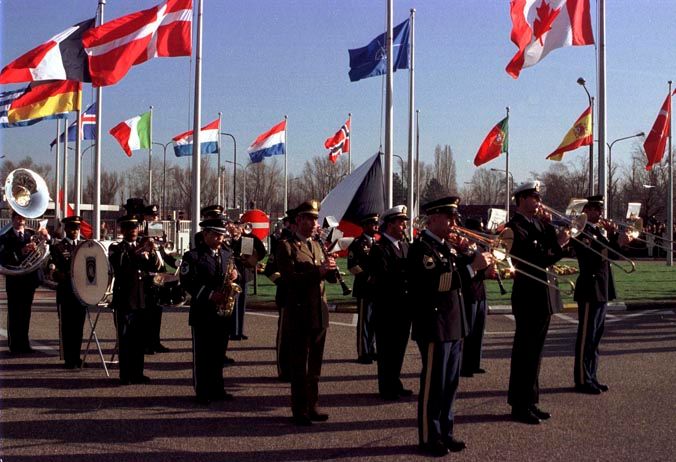
The mobilization has raised alarms across NATO member states, particularly those in the Baltic region. Estonia, Latvia, and Lithuania have voiced concerns that Russia might use the influx of new conscripts to reinforce its military presence near their borders. The prospect of Russian troops gathering along NATO's northeastern frontiers has heightened fears of regional destabilization. Some military strategists warn that the ceasefire in Ukraine could provide Moscow the opportunity to rearm and reposition its forces strategically, a move that could lead to further escalation.
The international community is closely monitoring these developments. The United States and European Union have both urged Russia to maintain transparency regarding its military activities. Diplomatic efforts are being made to prevent further aggression, with Western leaders emphasizing the importance of stability in the region. However, the Kremlin remains firm in its stance that the conscription is a routine measure and should not be viewed as a provocation.
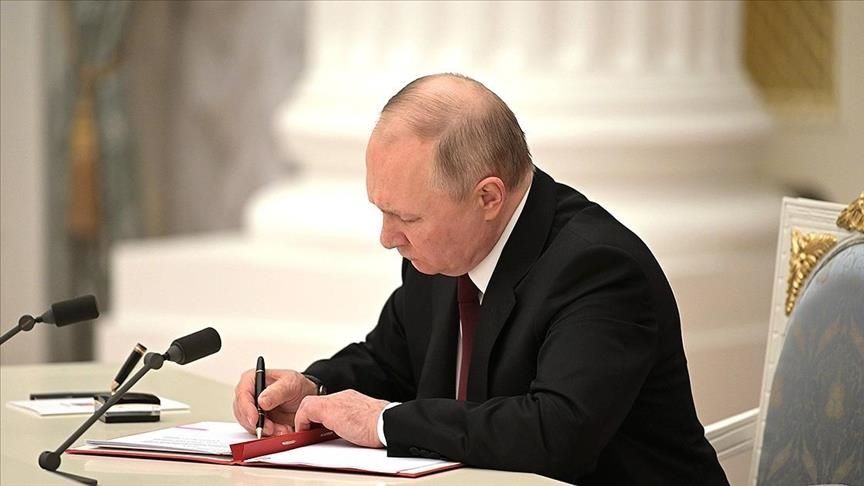
Within Russia, the response to this conscription decree is divided. While some citizens support the move as a necessary step to protect national interests, others fear the potential consequences. Families worry about the safety of their young men, especially if they are deployed to conflict zones. Additionally, there are concerns about the economic impact of drafting such a large number of individuals, as it may affect industries reliant on young laborers. Social media and underground opposition groups have expressed frustration over the expanding draft, though public dissent remains risky in the current political climate.
The increasing numbers in Russia’s conscription efforts suggest a larger shift in its military strategy. Whether this expansion is meant to sustain ongoing conflicts, prepare for future engagements, or simply reinforce domestic security remains to be seen. Some experts believe this mobilization is a defensive measure to ensure Russia remains militarily formidable in an era of growing geopolitical uncertainty. Others speculate that it signals readiness for further territorial expansion, which could further strain international relations.
As the world watches this mass conscription unfold, uncertainty looms over the future of Russia’s military ambitions. Will this bolstered force remain within Russian borders, or is this a sign of more aggressive plans ahead? The coming months will be crucial in determining whether this conscription drive is a precautionary measure or the prelude to something more significant. One thing remains clear: the balance of power in Eastern Europe is shifting, and the consequences of this move will be felt far beyond Russia’s borders.






0 comments