
Your Read is on the Way
Every Story Matters
Every Story Matters
The Hydropower Boom in Africa: A Green Energy Revolution Africa is tapping into its immense hydropower potential, ushering in an era of renewable energy. With monumental projects like Ethiopia’s Grand Ethiopian Renaissance Dam (GERD) and the Inga Dams in the Democratic Republic of Congo, the continent is gearing up to address its energy demands sustainably while driving economic growth.
Northern Kenya is a region rich in resources, cultural diversity, and strategic trade potential, yet it remains underutilized in the national development agenda.

Can AI Help cure HIV AIDS in 2025

Why Ruiru is Almost Dominating Thika in 2025

Mathare Exposed! Discover Mathare-Nairobi through an immersive ground and aerial Tour- HD

Bullet Bras Evolution || Where did Bullet Bras go to?
On February 15, 2026, Nairobi Senator Edwin Sifuna and Embakasi East MP Babu Owino appeared together at a rally in Kitengela, Kajiado County as part of the “Linda Mwananchi” tour. That event drew large crowds but was marred by police intervention: officers fired teargas to disperse the gathering and there was a fatality, with a 28‑year‑old supporter shot dead during the chaos.
Just six days later, on February 21, 2026, the duo stood side by side again in Kakamega County at Amalemba Grounds. There, heat was already building — intelligence and police warnings about the rally surfaced amid claims of potential armed attendees, even though police said they had not received formal notice.
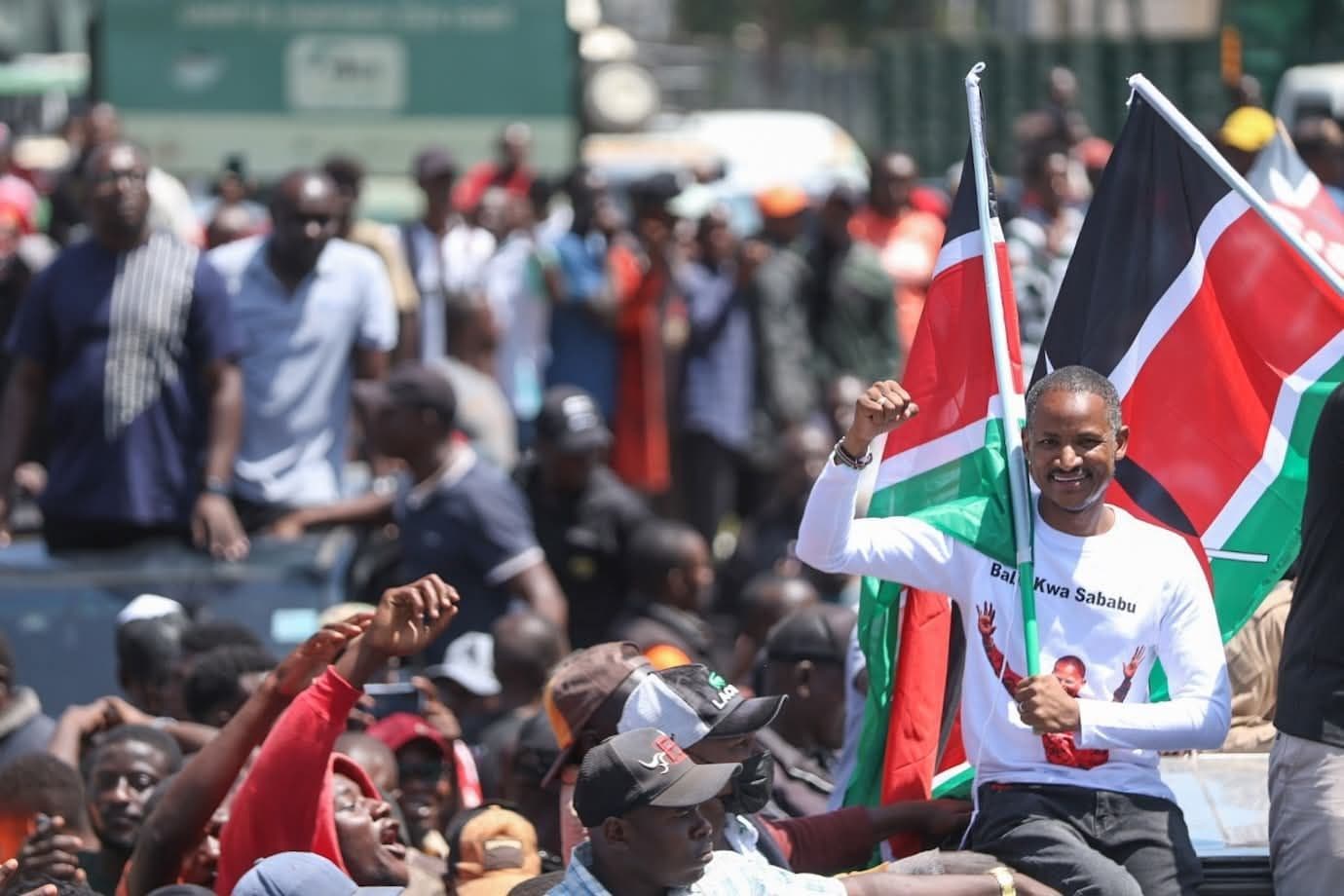
At Kakamega, teargas was once again deployed and tensions flared between supporters of Sifuna and rival factions aligned more closely with ODM leader Oburu Oginga and President William Ruto’s camp. Despite this, crowds remained undeterred, and supporters eventually pushed out police officers who had attempted to stay close to the venue.
Sifuna used the moment, standing with Babu on stage, to urge calm and frame the rally as part of a mass movement. He also announced plans for the tour to continue to Mombasa after Ramadan, further signalling that these aren’t isolated rallies but a patterned caravan of public engagement.
On the surface, Sifuna and Babu look unified — hammering the same slogans, sharing stages, and facing disruptions together. Their rallies have mobilised crowds, triggered police response, and drawn national attention precisely because the two leaders are publicly aligned.
But beneath the flag‑waving narratives, there are signals that their real mission might serve a broader strategic purpose beyond merely rallying the opposition base. The Linda Mwananchi tour has persisted despite police resistance and internal party tension, and the duo’s presence at successive stops suggests a coordinated movement, not accidental proximity.
Speculatively, this could mean their joint rallies are not just vehicles for opposing the current administration or building a standalone presidential profile. Instead, they may be acting as instruments within a larger political architecture — shaping grassroots sentiment, testing messages across regions, and serving as visible canvases for broader power negotiations or alliances that haven’t been publicly articulated yet.
Their joint statements, uniform branding, and willingness to repeatedly confront security warnings hint at a calculated team effort rather than simple opposition campaigning.
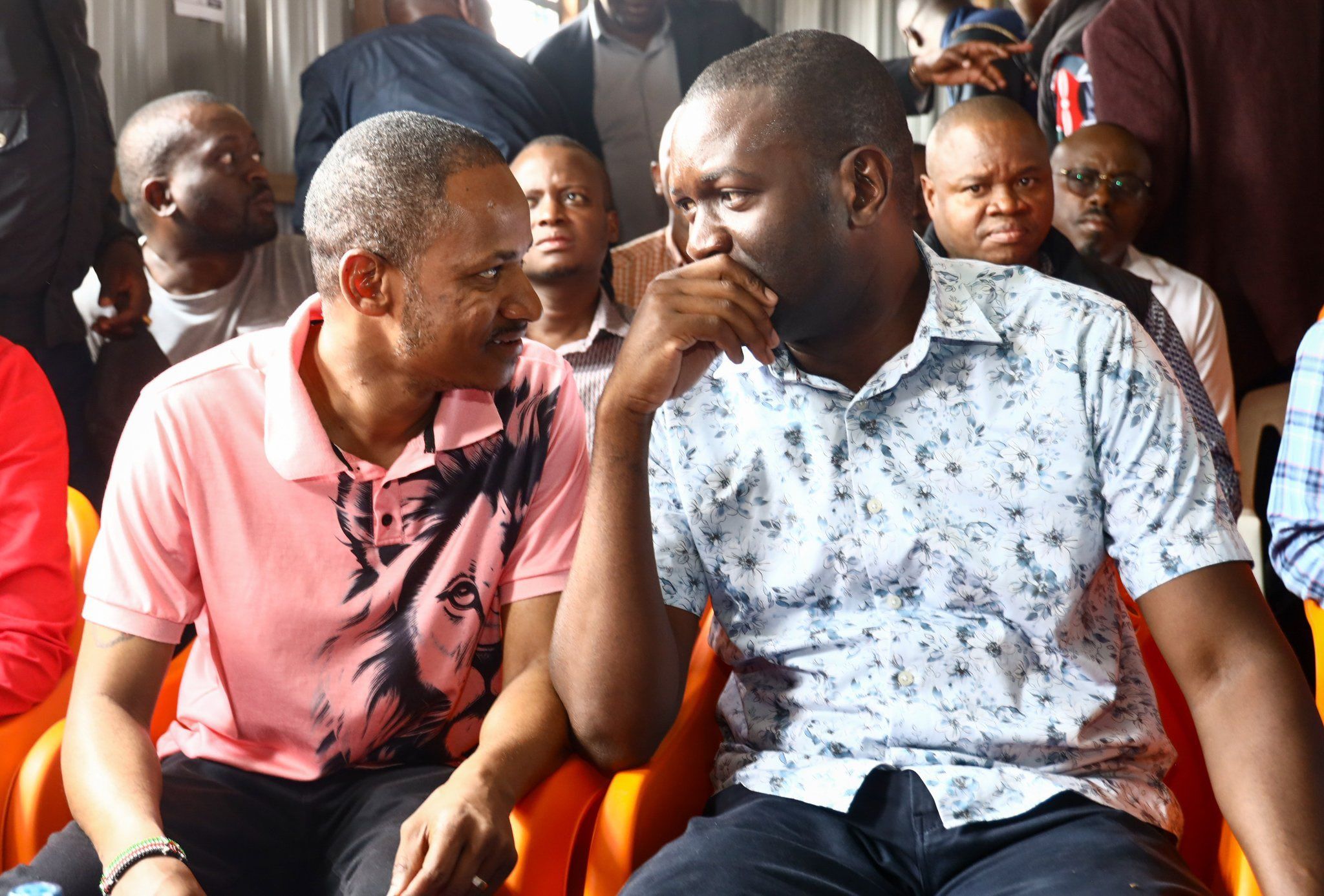
If their mission were solely about a 2027 presidency, one might expect more clear solo positioning, distinct policy platforms, or independent bid signals. But their synchronized appearances — especially in places as politically diverse as Kitengela (peri‑urban Nairobi) and Kakamega (Western Kenya) — suggest a more complex choreography at play, potentially guided by interests bigger than themselves but too subtle to be obvious in public pronouncements.
The controversy, then, isn’t whether they are to gether — it’s what that togetherness truly means: is it a genuine grassroots coalition, or are they frontline operatives advancing a strategy designed by external forces or power brokers within broader opposition politics?





0 comments