
Your Read is on the Way
Every Story Matters
Every Story Matters
The Hydropower Boom in Africa: A Green Energy Revolution Africa is tapping into its immense hydropower potential, ushering in an era of renewable energy. With monumental projects like Ethiopia’s Grand Ethiopian Renaissance Dam (GERD) and the Inga Dams in the Democratic Republic of Congo, the continent is gearing up to address its energy demands sustainably while driving economic growth.
Northern Kenya is a region rich in resources, cultural diversity, and strategic trade potential, yet it remains underutilized in the national development agenda.

Can AI Help cure HIV AIDS in 2025

Why Ruiru is Almost Dominating Thika in 2025

Mathare Exposed! Discover Mathare-Nairobi through an immersive ground and aerial Tour- HD

Bullet Bras Evolution || Where did Bullet Bras go to?
In a move to position itself as a technological powerhouse in Africa, Kenya has launched its National Artificial Intelligence (AI) Strategy. This comprehensive five-year plan is backed by a significant Ksh.152 billion budget and is designed to integrate AI across vital sectors of the economy. The initiative seeks to transform public services, enhance innovation, and tackle social and economic challenges through advanced technology.
By focusing on AI, Kenya aims to improve public service delivery, stimulate economic growth, and create new employment opportunities. This ambitious strategy also reflects a global shift toward digital transformation and the need to ensure emerging technologies align with national development goals while addressing ethical and social concerns.
The primary goal of the AI strategy is to establish Kenya as a regional hub for AI innovation and application. The government seeks to leverage AI technologies to address critical issues such as food security, healthcare accessibility, educational advancement, and public service efficiency.
Key objectives of the strategy include:
Boosting Economic Growth: AI-driven automation and innovation are expected to enhance productivity and contribute to economic diversification.
Improving Public Services: Implementing AI solutions to streamline government processes, reduce bureaucracy, and deliver faster, more efficient services.

Promoting Inclusive Development: Ensuring that AI benefits all segments of society, including underserved and marginalized communities.
Fostering Research and Innovation: Encouraging local AI research and supporting the development of homegrown solutions tailored to Kenya’s unique needs.
Enhancing Data Governance: Establishing a secure and ethical data ecosystem to manage the vast amount of information required for AI systems.
The AI strategy is structured around several key pillars that aim to foster a thriving AI ecosystem while ensuring responsible implementation:
1. AI Digital Infrastructure:
Investment will focus on expanding digital infrastructure, including improving internet connectivity and building advanced data centers to support AI operations. This includes upgrading public systems to accommodate AI-driven decision-making and analytics.
2. Data Ecosystem Development:
Creating a robust data framework is crucial for AI innovation. The government plans to invest in secure data collection and management systems to facilitate responsible data sharing across sectors while safeguarding privacy and security.
3. Research, Innovation, and Talent Development:
The strategy emphasizes fostering a vibrant research environment and developing local AI expertise. Partnerships with academic institutions and the private sector will support training programs to upskill the workforce and cultivate a new generation of AI professionals.
4. Ethical AI and Governance:
A strong focus on ethical AI practices ensures the responsible use of technology. Kenya plans to introduce legal frameworks to regulate AI applications, with guidelines addressing transparency, accountability, and the protection of individual rights.
The AI strategy is designed to have far-reaching impacts across various sectors of the Kenyan economy. Notable areas of application include:
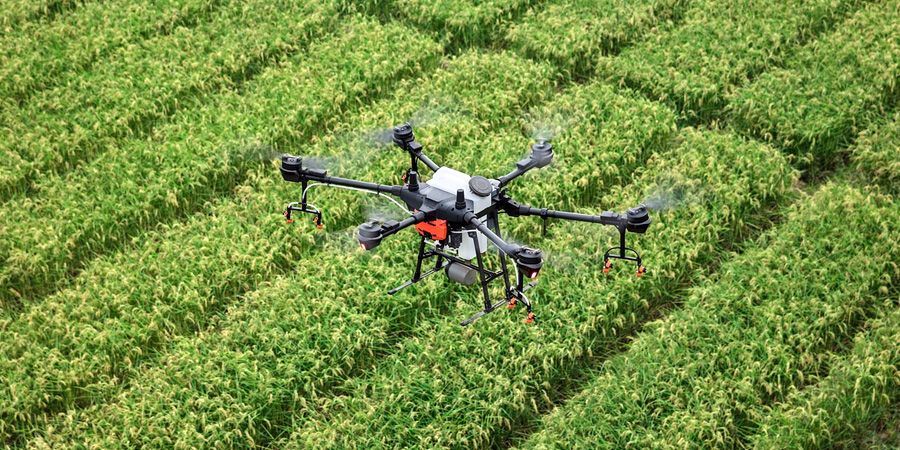
Agriculture:
AI tools will be used to optimize agricultural productivity by predicting weather patterns, improving supply chain management, and reducing post-harvest losses. This will enhance food security and empower small-scale farmers.
Healthcare:
AI will play a pivotal role in improving diagnostics, patient care, and resource allocation. Advanced analytics will help predict disease outbreaks, facilitate remote consultations, and improve healthcare accessibility in rural areas.
Education:
Personalized learning systems powered by AI will be integrated into educational institutions to provide customized educational materials, assess student performance, and improve learning outcomes.
Public Service Delivery:
AI-driven automation aims to enhance government efficiency, reduce corruption, and ensure faster service delivery. Public administration will benefit from intelligent systems to manage records, handle citizen inquiries, and automate routine tasks.
Transportation and Smart Cities:
AI will contribute to intelligent traffic management, public safety, and smart urban planning. This includes optimizing public transport systems and implementing smart technologies to enhance city life.
To ensure the successful execution of the strategy, the government plans to establish a regulatory body dedicated to overseeing AI development. This entity will be responsible for:
Drafting and enforcing AI regulations to ensure ethical use.
Collaborating with stakeholders from academia, industry, and civil society.
Monitoring the social and economic impacts of AI technologies.
Facilitating public engagement and participation in the AI discourse.
An AI Bill is expected to be introduced within the next few months to provide a legal framework governing the collection, use, and protection of data. Additionally, the government is prioritizing the recruitment of university graduates specializing in AI to accelerate the implementation of public-sector innovations.
Recognizing the potential risks associated with AI, Kenya’s strategy emphasizes public participation to shape the future of AI responsibly. Citizens will be invited to share their perspectives and concerns as the government refines the strategy.
Ethical AI deployment will remain a core priority, with measures to:
Safeguard personal data and privacy.
Ensure fairness and eliminate algorithmic bias.
Promote transparency and accountability in AI decisions.
Address the societal impacts of AI on employment and social equity.
Despite its ambitious goals, the AI strategy acknowledges several potential challenges:
Data Privacy Concerns: The government will strengthen data protection laws and ensure that AI systems comply with global best practices.
Skills Gap: Investments will focus on education and training programs to equip the workforce with necessary AI competencies.
Infrastructure Limitations: Ongoing infrastructure development will prioritize enhancing digital connectivity and advanced computing capabilities.
Kenya recognizes that global collaboration is key to advancing AI capabilities. The strategy encourages partnerships with international tech companies, research institutions, and other countries to foster knowledge exchange and accelerate innovation.
By positioning itself as a leader in AI, Kenya aims to attract investment, foster international collaboration, and play a significant role in shaping AI policy on the global stage.
Kenya’s National AI Strategy represents a transformative step toward a digitally empowered future. With a clear vision, a significant Ksh.152 billion investment, and a focus on ethical AI development, the country is poised to harness the full potential of artificial intelligence.
Through strategic implementation and public engagement, Kenya aims to drive economic growth, improve public service delivery, and ensure that AI innovations benefit all citizens. This initiative not only strengthens Kenya’s position as a regional AI leader but also lays the foundation for long-term, inclusive technological progress.






0 comments