
Your Read is on the Way
Every Story Matters
Every Story Matters
The Hydropower Boom in Africa: A Green Energy Revolution Africa is tapping into its immense hydropower potential, ushering in an era of renewable energy. With monumental projects like Ethiopia’s Grand Ethiopian Renaissance Dam (GERD) and the Inga Dams in the Democratic Republic of Congo, the continent is gearing up to address its energy demands sustainably while driving economic growth.
Northern Kenya is a region rich in resources, cultural diversity, and strategic trade potential, yet it remains underutilized in the national development agenda.

Can AI Help cure HIV AIDS in 2025

Why Ruiru is Almost Dominating Thika in 2025

Mathare Exposed! Discover Mathare-Nairobi through an immersive ground and aerial Tour- HD

Bullet Bras Evolution || Where did Bullet Bras go to?
The Prepaid Meter: A Local Ledger of Power
Kenya Power uses prepaid meters across homes and businesses to track electricity consumption. Each meter is essentially a standalone ledger, recording units of electricity in kilowatt-hours. When you purchase a token — either online, via mobile money, or at a vendor — you are buying units, not directly paying the meter or “the company.”
The token comes as a unique 20-digit code, which your meter cannot interpret until it is entered manually. Once input, the meter verifies the code, credits the purchased units, and restores power if it had been disconnected due to insufficient balance.
In other words, your payment and your meter are separate until the code links them.
Why Automatic Top-Up Isn’t the Default
Most Kenyan households don’t have fully “smart” meters. Older or standard prepaid meters are offline devices, which means they don’t maintain constant communication with Kenya Power’s central system. Without this connection, there’s no way for the meter to instantly know that you’ve purchased additional electricity.
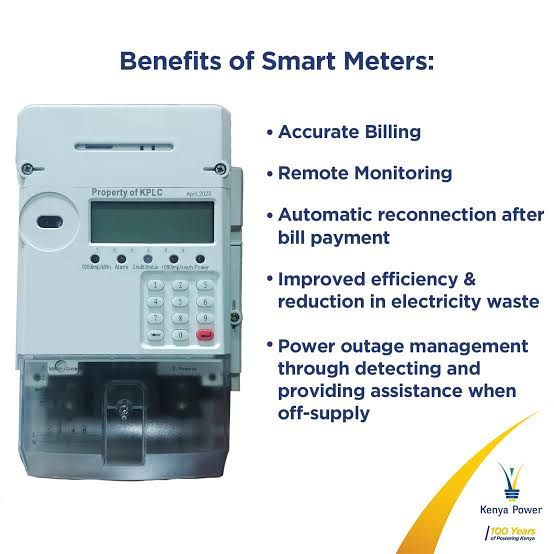
Manual entry is also a safety feature. It ensures that every transaction is verified locally, reducing the risk of errors or fraudulent credits. If every payment automatically restored power, mistakes could be harder to trace and correct.
Even with modern technology, most meters remain designed for manual verification, balancing convenience, security, and accuracy.
Could Automatic Restoration Work?
Yes — but only in certain circumstances. Some smart-enabled meters have GSM or internet capability, allowing the token to be transmitted directly from the payment platform to the meter. In these cases, electricity could be restored automatically once the transaction clears.
However, most Kenyan meters are not yet smart-enabled, so automatic crediting remains impractical for the majority of users. Kenya Power continues to roll out newer meters gradually, but widespread automatic top-ups are still a long-term prospect rather than an immediate solution.
The Bottom Line
The prepaid electricity system in Kenya prioritises accuracy, security, and local verification over instant convenience. Tokens must be entered manually because:
Meters are mostly offline and operate independently.
Each token needs local verification to ensure correct crediting.
Automatic top-up is limited to smart meters, which are still rare.
Until most households adopt smart meters, manual entry remains the safest and most reliable way to ensure your electricity is correctly credited.





0 comments