
Your Read is on the Way
Every Story Matters
Every Story Matters
The Hydropower Boom in Africa: A Green Energy Revolution Africa is tapping into its immense hydropower potential, ushering in an era of renewable energy. With monumental projects like Ethiopia’s Grand Ethiopian Renaissance Dam (GERD) and the Inga Dams in the Democratic Republic of Congo, the continent is gearing up to address its energy demands sustainably while driving economic growth.
Northern Kenya is a region rich in resources, cultural diversity, and strategic trade potential, yet it remains underutilized in the national development agenda.

Can AI Help cure HIV AIDS in 2025

Why Ruiru is Almost Dominating Thika in 2025

Mathare Exposed! Discover Mathare-Nairobi through an immersive ground and aerial Tour- HD

Bullet Bras Evolution || Where did Bullet Bras go to?
For decades, the AFC Champions League has been a mosaic of nations and styles, a tapestry stretching from Tehran to Tokyo. But this year, that map is redrawn—with a singular epicenter: Jeddah, Saudi Arabia. The knockout rounds, from the quarter-finals to the final itself, have been relocated to this coastal city that has become the heartbeat of the kingdom’s footballing ambition.
This isn’t just convenience. It’s part of a broader Saudi strategy, underpinned by billions in investment and a desire to project sporting might. Hosting the AFC Champions League Elite’s closing stages is a statement—a challenge to tradition and a vision for the future. From the moment fans walk into the 62,000-seat King Abdullah Sports City Stadium, they’ll sense that something has shifted. This is no longer just a tournament; it’s a coronation ground for a new football order.
At the core of this narrative is a man who has nothing left to prove—except, perhaps, to himself. Cristiano Ronaldo, still chiseled and lethal at 40, is entering the twilight of his playing days with a fire that refuses to burn out. His move to Al Nassr was never just about marketing. It was about legacy, impact, and rewriting the final act of a glittering career.
Al Nassr, under the stewardship of former AC Milan boss Stefano Pioli, are no longer a team searching for identity. They’ve found balance. They’ve built a spine. While Ronaldo is still the heartbeat, this side has grown around him, with local talent and international quality feeding into a system that no longer cracks under pressure.
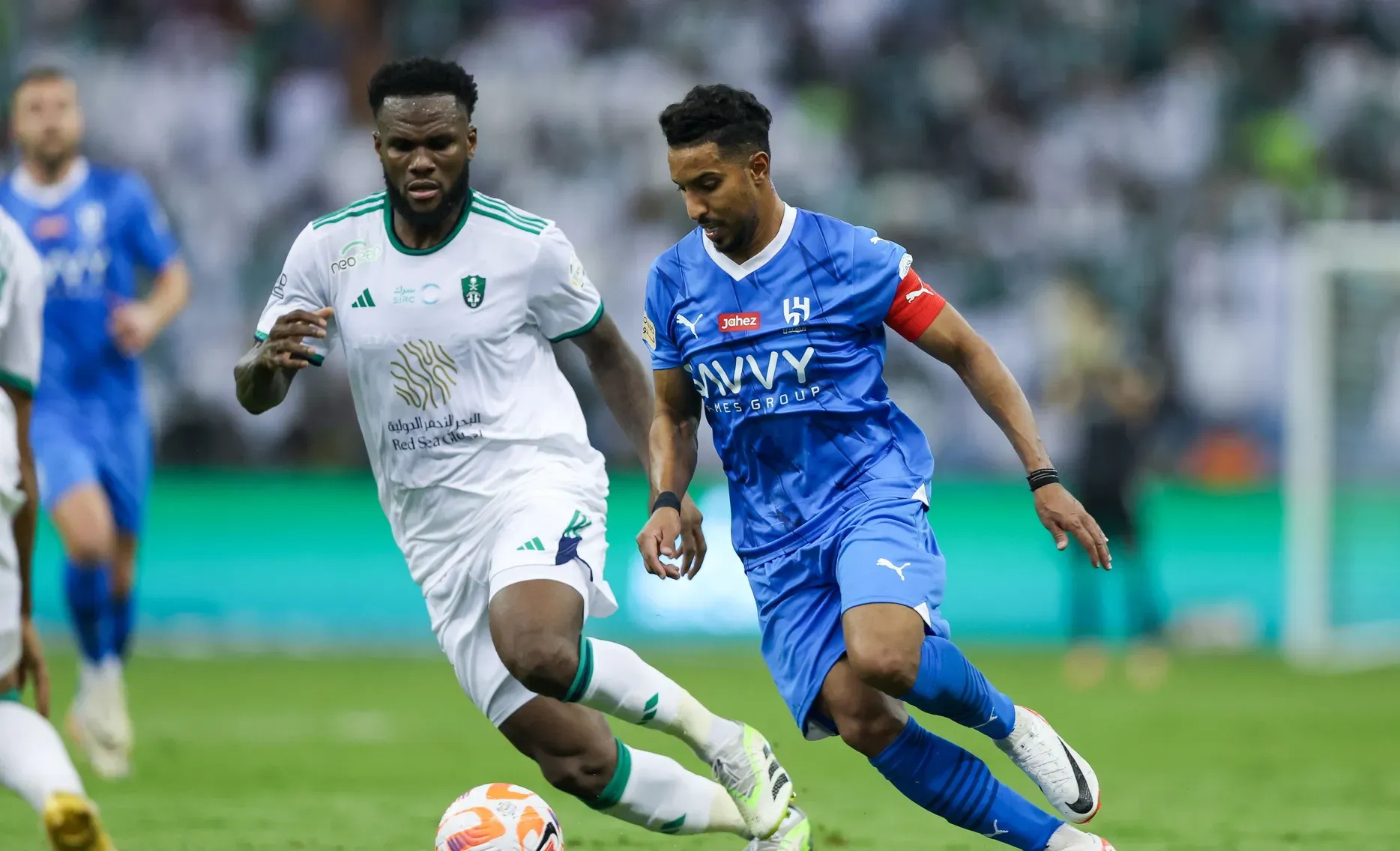
Their first obstacle is Yokohama F-Marinos, a side rocked by turmoil after sacking their manager mid-season and spiraling to the bottom of the J.League. Despite topping the East Zone and thrashing Shanghai Port in the Round of 16, Yokohama now face the unenviable task of halting Ronaldo’s charge in a city that feels like home turf for Al Nassr.
If Al Nassr are the present, Al Hilal are the legacy. No club in Asia holds more titles or commands more respect. Four-time continental champions, Al Hilal walk into Jeddah with a pedigree that borders on intimidating. Their squad is a gallery of global stars: Aleksandar Mitrovic, Joao Cancelo, Ruben Neves—names that once lit up Europe’s elite leagues, now fully integrated into one of the most fluid systems in Asia.
Despite letting Neymar return to Santos, Al Hilal have shown no signs of losing their edge. Their football is elegant but ruthless, their ambitions as large as ever. They face South Korea’s Gwangju, newcomers to this stage but not lacking in spirit. Gwangju’s technical director has already acknowledged the might of West Asian sides, but they arrive with the grit of underdogs who’ve read too many fairytales to give up now.
For Al Hilal, anything short of a fifth title would be failure. But with expectations comes pressure—and every empire is vulnerable to its own shadow.
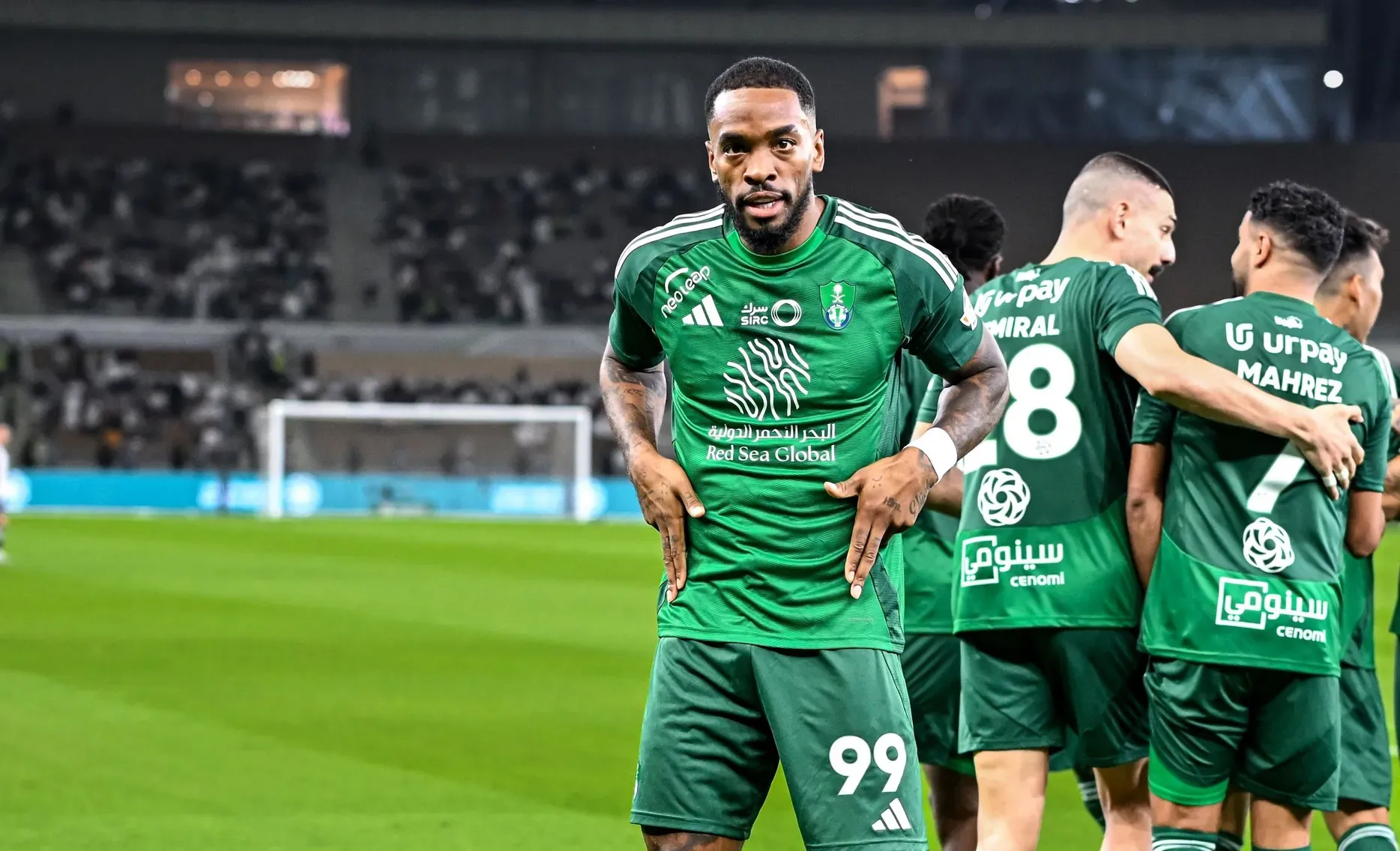
While Al Nassr and Al Hilal steal the headlines, Al Ahli have taken a different route. Their rise has been quieter, almost surgical. But make no mistake—this is a team laced with danger. Riyad Mahrez, Roberto Firmino, Ivan Toney—
names that once dazzled in the Premier League—now wear Al Ahli’s green, and they’ve formed a frontline that can match any in the competition.
Their path to glory begins with Thailand’s Buriram United, a team brimming with resolve but clearly outgunned on paper. Al Ahli are expected to win. What matters is how they win. Should they advance, a semi-final showdown with Al Hilal looms—a Saudi derby with continental stakes. That potential clash wouldn’t just ignite local rivalries. It would mark the culmination of years of investment, ideology, and planning.
This tournament is about more than goals and glory. It is a vehicle for a larger ambition—Saudi Arabia’s effort to rebrand itself as a cultural and sporting hub. The kingdom’s broader Vision 2030 plan sees sport, and football in particular, as a tool for soft power, economic diversification, and global visibility.

By hosting the AFC Champions League Elite’s final stages, Saudi Arabia has done more than bring football home—it has placed itself at the table where decisions about the sport’s future in Asia will be made. Every goal scored in Jeddah this week echoes beyond the pitch. It speaks to a transformation that is political, economic, and profoundly strategic.
By the time the trophy is lifted on May 3, history will have been made. Whether it’s Ronaldo’s final continental conquest, Al Hilal’s dominance extended, or Al Ahli’s stealthy march to the summit, the AFC Champions League Elite’s new format ensures that the winner will have survived a crucible.
The desert has never looked so fertile for football. And if the Saudi clubs succeed in making the tournament their own, this year may go down not just as a turning point in Asian football—but as the year a new era truly began.






0 comments