
Your Read is on the Way
Every Story Matters
Every Story Matters
The Hydropower Boom in Africa: A Green Energy Revolution Africa is tapping into its immense hydropower potential, ushering in an era of renewable energy. With monumental projects like Ethiopia’s Grand Ethiopian Renaissance Dam (GERD) and the Inga Dams in the Democratic Republic of Congo, the continent is gearing up to address its energy demands sustainably while driving economic growth.
Northern Kenya is a region rich in resources, cultural diversity, and strategic trade potential, yet it remains underutilized in the national development agenda.

Can AI Help cure HIV AIDS in 2025

Why Ruiru is Almost Dominating Thika in 2025

Mathare Exposed! Discover Mathare-Nairobi through an immersive ground and aerial Tour- HD

Bullet Bras Evolution || Where did Bullet Bras go to?
Allyson Felix, one of the most decorated track and field athletes in history, did something far more revolutionary than win Olympic medals—she challenged one of the most powerful corporations in sports. And she did it not with a protest or a boycott, but by rewriting the rules of what female athletes are worth, especially when they become mothers.
It started when Felix became pregnant in 2018. As her belly grew, so did the tension between her and Nike, her longtime sponsor. The very company that had profited from her lightning speed was now hesitating to fully support her during a vulnerable but transformative period in her life: motherhood. Nike wanted to cut her pay by 70% during her pregnancy and refused to guarantee protections if her performance slipped during the postpartum period.
For someone who had carried not just medals but the hopes of a nation for over a decade, this was not only a slap in the face—it was a wake-up call. So she spoke out. Loudly.
Athletes often suffer in silence when it comes to sponsorship mistreatment, fearing lost deals and tarnished reputations. But Felix, never one to be boxed in by fear, penned an op-ed that sent shockwaves through both sports and corporate America. She exposed how companies like Nike failed to support female athletes through maternity and postpartum recovery, all while using empowering ads about women to boost their brand.
The response was seismic. Suddenly, the uncomfortable silence around maternity rights in sports was broken. Felix was not alone—other female athletes stepped forward with similar stories. And Nike? They backpedaled, updating their maternity policy to protect female athletes from performance-related pay reductions for 18 months around childbirth.
But for Felix, that wasn’t enough.
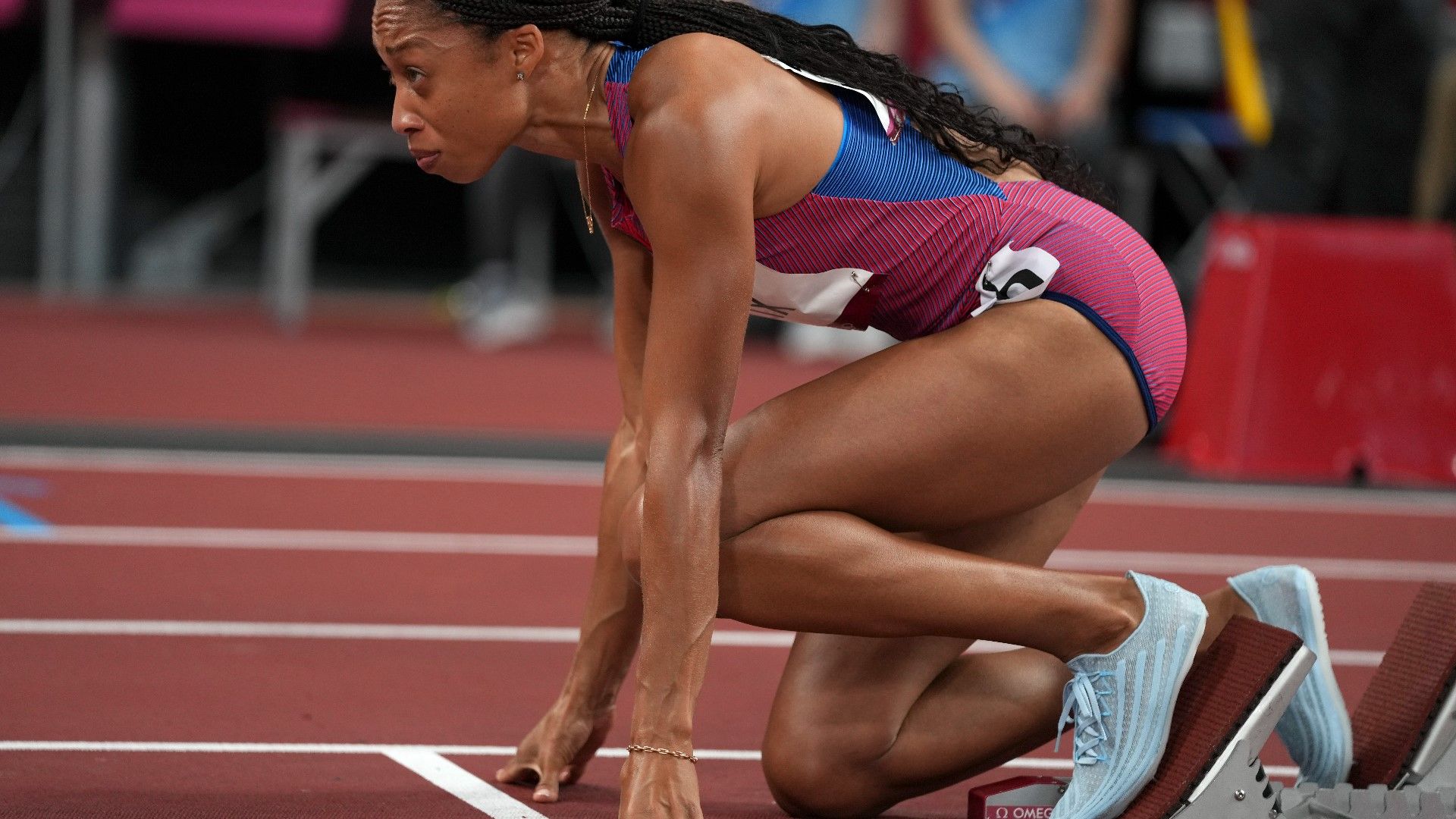
In 2021, Felix made an even bolder move: she launched her own shoe company, Saysh. Not just another sneaker brand, but a direct challenge to the status quo. Saysh was created with women in mind, by women, and for women. And in a stunning moment of poetic justice, she wore Saysh spikes while winning her 11th Olympic medal in Tokyo—surpassing Carl Lewis and becoming the most decorated U.S. track and field Olympian in history.
The victory wasn’t just on the track. It was symbolic. She had run her race, on her terms, in shoes built by her own vision. It was a rebuke of corporate control and a testament to what women can achieve when they’re not forced to compromise between ambition and motherhood.
Felix’s journey became a turning point for the sports industry. She proved that success doesn’t require sacrificing motherhood or dignity. Sponsors began reevaluating their policies. Athletes became more empowered to speak out. And Felix, now an advocate and entrepreneur, continued to use her voice to uplift others.
Her story became more than about sports or shoes—it became a blueprint for resistance. A demonstration that the most powerful change can come not from within the system, but by walking—or running—away from it.
Today, Allyson Felix’s influence stretches beyond track lanes. She's sparked broader conversations around maternity protections, equity in sponsorships, and what it means to truly support women in all facets of life. She's a living, breathing reminder that power doesn’t always come from standing on a podium—but sometimes from walking away from one.






0 comments