
Your Read is on the Way
Every Story Matters
Every Story Matters
The Hydropower Boom in Africa: A Green Energy Revolution Africa is tapping into its immense hydropower potential, ushering in an era of renewable energy. With monumental projects like Ethiopia’s Grand Ethiopian Renaissance Dam (GERD) and the Inga Dams in the Democratic Republic of Congo, the continent is gearing up to address its energy demands sustainably while driving economic growth.
Northern Kenya is a region rich in resources, cultural diversity, and strategic trade potential, yet it remains underutilized in the national development agenda.

Can AI Help cure HIV AIDS in 2025

Why Ruiru is Almost Dominating Thika in 2025

Mathare Exposed! Discover Mathare-Nairobi through an immersive ground and aerial Tour- HD

Bullet Bras Evolution || Where did Bullet Bras go to?
Moi University, once a thriving hub for academic excellence in western Kenya, has entered a dark chapter. Hundreds of employees recently received official redundancy letters, signaling a sweeping reduction in staff numbers. The administration calls this a “right-sizing exercise,” a euphemism for what is essentially a deep retrenchment prompted by mounting financial pressure.
For many staff, the shock has been overwhelming—families suddenly facing uncertain incomes and futures. Behind the scenes, Moi University’s challenges are multi-layered: years of mismanagement, bloated payrolls, declining government support, and inefficient budgeting have all contributed to a fiscal crisis. The university struggles not only to pay salaries but to maintain basic operations and services for its students.
Though severance pay is promised, the damage is more than financial—it threatens the very fabric of the university community. The morale among remaining staff has plummeted, productivity is compromised, and the academic environment is destabilized. Departments that once flourished now face cuts or closure, research projects stall, and student services suffer.
Meanwhile, at the University of Nairobi, a different but equally destructive crisis unfolds. Here, the challenge isn’t just budget deficits but a bitter war over the institution’s vast resources and leadership. University assets—land, buildings, and commercial ventures—are reportedly valued at over Ksh.200 billion, making them highly coveted prizes among senior officials.
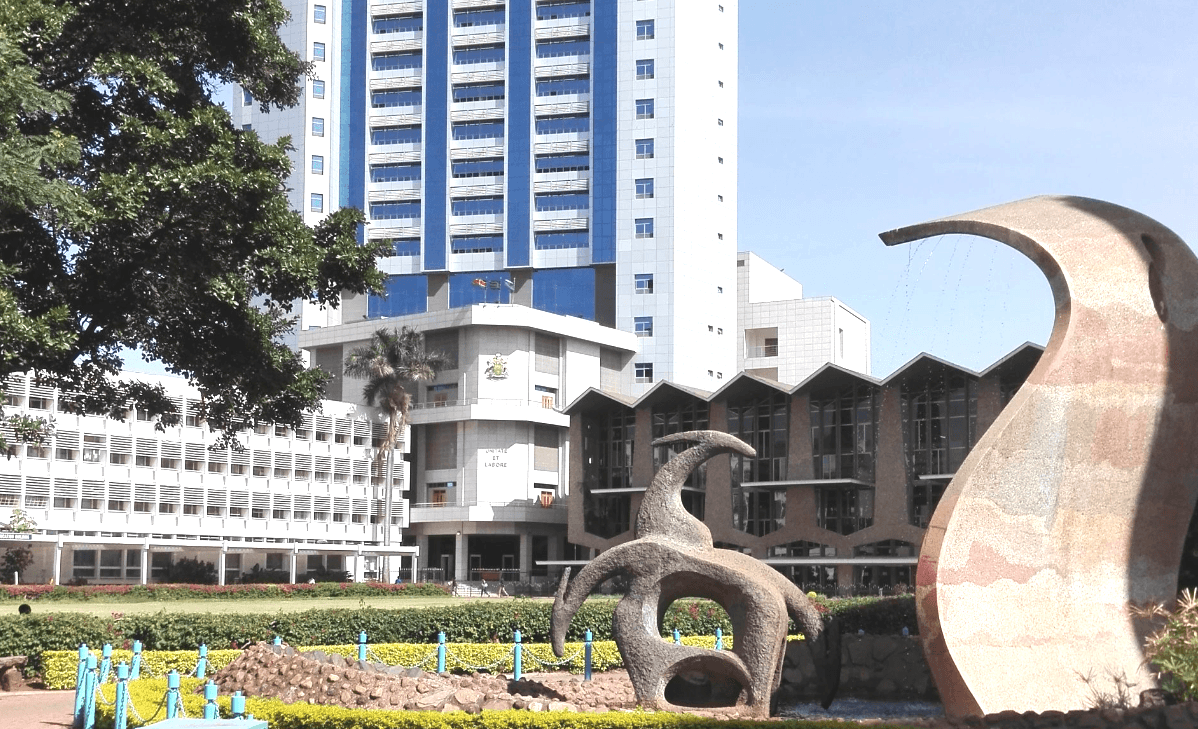
This battle for control has paralyzed decision-making. Vital projects remain unstarted, infrastructure is neglected, and financial gaps widen. Students and faculty alike watch as their university becomes a stage for political maneuvering and internal power struggles.
The leadership vacuum is glaring. The Ministry of Education has been unable to agree on who should take charge as Vice-Chancellor, creating an extended period of uncertainty. Without strong leadership, strategic planning has stalled, accountability has eroded, and the university’s reputation suffers. The result is a university burdened by an enormous debt—over Ksh.13 billion—while its internal conflicts drain attention from academic priorities.
The crises at Moi and UoN are not isolated incidents but symptoms of a broader systemic failure in Kenya’s higher education landscape. Rapid increases in student enrollment have not been matched by adequate funding or infrastructure development. Meanwhile, the public universities are expected to deliver quality education, research, and innovation with dwindling resources.
Politicization of university leadership positions has compounded these issues. Rather than fostering academic independence, universities often become pawns in political games, with appointments based on patronage rather than merit. This undermines effective governance, breeds corruption, and saps institutional capacity to respond to challenges.
The financial management frameworks in place are outdated, and accountability mechanisms weak. Universities struggle to generate sustainable revenue streams beyond government subsidies, while funding models remain rigid and inadequate.

Amid the financial crunch and leadership tussles, the human toll is profound. Staff face job insecurity, delayed salaries, and growing dissatisfaction, while students contend with deteriorating learning conditions, overcrowded classrooms, and limited access to resources. The quality of education erodes as faculty numbers shrink and infrastructure crumbles.
The rising cost of university education, coupled with diminishing state support, puts higher education out of reach for many aspiring students. This threatens to reverse gains in social mobility and widen inequality gaps. The academic community’s morale is shattered, with implications for research output and innovation capacity.
Public universities like Moi and UoN have historically been engines of Kenya’s socio-economic progress, producing graduates who have contributed to diverse sectors. Their decline signals not just institutional failure but national risk. If these universities collapse further, Kenya’s development agenda will suffer, with long-term consequences for workforce skills, economic competitiveness, and social cohesion.
Addressing this crisis requires more than patchwork solutions. It demands a comprehensive overhaul of funding models, governance structures, and institutional autonomy. Universities must be empowered to innovate and diversify revenue sources while being held accountable for performance. Political interference must be curtailed to restore trust and professionalism.
The unfolding drama at Moi University and the University of Nairobi is a clarion call for urgent action. These institutions are at a crossroads: either they receive the decisive support and reform needed to reclaim their role as beacons of learning or continue spiraling into dysfunction. The choices made today will shape Kenya’s higher education landscape—and its future—for generations to come






0 comments