
Your Read is on the Way
Every Story Matters
Every Story Matters
The Hydropower Boom in Africa: A Green Energy Revolution Africa is tapping into its immense hydropower potential, ushering in an era of renewable energy. With monumental projects like Ethiopia’s Grand Ethiopian Renaissance Dam (GERD) and the Inga Dams in the Democratic Republic of Congo, the continent is gearing up to address its energy demands sustainably while driving economic growth.
Northern Kenya is a region rich in resources, cultural diversity, and strategic trade potential, yet it remains underutilized in the national development agenda.
Can AI Help cure HIV AIDS in 2025

Why Ruiru is Almost Dominating Thika in 2025
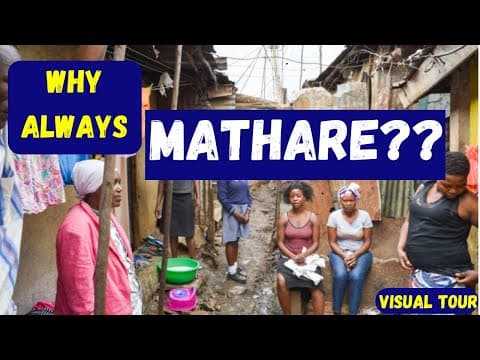
Mathare Exposed! Discover Mathare-Nairobi through an immersive ground and aerial Tour- HD

Bullet Bras Evolution || Where did Bullet Bras go to?
As Kenya refines its Competency-Based Curriculum (CBC), Early Childhood Development Education (ECDE) has emerged as a critical sector in foundational learning. County governments are expanding ECDE infrastructure, driving up the demand for professionally trained teachers. The 2025 ECDE intake presents a timely opportunity for aspiring educators to contribute meaningfully to early learning and position themselves for long-term career progression.
Training is available across a range of institutions, from public universities to national polytechnics and county teacher training colleges. Approved institutions for 2025 include:
-Public Universities: Institutions such as Kenyatta University and Egerton University offer Certificate, Diploma, and Degree programs in ECDE through both regular and distance learning modes.
-Private Universities: Accredited universities including KCA, Tangaza, and St. Paul’s offer ECDE diplomas and degrees, often through blended or online formats.
-Teacher Training Colleges (TTCs): Key colleges such as Asumbi, Thogoto, and Bondo TTC provide diploma and certificate programs aligned with KNEC standards.
-National Polytechnics and Institutes: Institutions like Sigalagala, Eldoret, and Kisii National Polytechnic offer Certificate and Diploma programs tailored to meet both national and county-level teacher deployment requirements.
These institutions have been approved by the Ministry of Education and adhere to KNEC’s curriculum guidelines.
The 2025 ECDE intake accommodates a broad range of academic backgrounds. The minimum entry requirements are as follows:
1.Certificate in ECDE:
-KCSE Mean Grade: D+ (plus) or D (plain)
-Alternate Entry: Valid KNEC proficiency certificate or prior DICECE training
2.Diploma in ECDE:
-KCSE Mean Grade: C (plain)
-Alternate Entry: C- (minus) plus a valid ECDE certificate from a recognised institution
3.Bachelor of Education (ECDE specialization):
-KCSE Mean Grade: C+ (plus)
-Additional Requirement: At least C+ in two teaching subjects
Bridging programs are available for those who fall short of the required grades.
The cost of ECDE training varies depending on the level of study and whether the institution is public or private.
1.Certificate Programs:
-Public Colleges: KSh 10,000 – 15,000 per term
-Private Institutions: KSh 20,000 – 30,000 per term
2.Diploma Programs:
-Public Institutions: KSh 14,500 – 25,000 per term
-Private Institutions: May exceed KSh 35,000 per term
3.Bachelor’s Degree Programs:
-Government-Sponsored (Regular): KSh 17,000 – 25,000 per semester
-Self-Sponsored: Between KSh 55,000 – 75,000 per semester
Additional costs include resource materials, micro-teaching kits, and teaching practice supervision, ranging from KSh 5,000 – 12,000 annually.
All ECDE examinations are administered by the Kenya National Examinations Council (KNEC). For 2025, examination registration will follow the existing three-cycle calendar: January, May, and September.
1.Diploma in ECDE (Full Exam Cycle):
-Total Examination Fee: Approx. KSh 21,500
-Components: Written papers, project-based assessments, and an 8-week teaching practice
-Registration: Only candidates enrolled in KNEC-accredited institutions are eligible
Note: Government subsidies for examination fees have been significantly reduced. Only special-needs or economically disadvantaged students may qualify for partial support through county bursaries or institutional grants.
Applicants are encouraged to begin the application process early to increase their chances of admission into government-sponsored programs.
-Early Intake Window: Opens 15 July and closes 30 August 2025
-Regular Intake: 1 October – 15 December 2025
Late Admission Period: Begins January 2026 (subject to space availability and higher fees)
Application involves submission of academic transcripts, national ID, passport-sized photographs, and payment of a non-refundable processing fee (approximately KSh 1,500). Placement for diploma programs is done via the KUCCPS platform, while degree and certificate applications are submitted directly to institutions.
Several financial support mechanisms are available for ECDE students:
-HELB TVET Loans: Offers up to KSh 60,000 for diploma students, including a personal upkeep stipend
-County Education Bursaries: Available to residents upon application to county education offices
-Faith-Based Scholarships: Various religious institutions sponsor students pursuing teaching careers
-Work-Study Opportunities: Many private preschools employ ECDE trainees, providing both income and experience
Students are advised to apply for funding early due to limited allocation and long processing times.
Early Childhood Development Education is a cornerstone of Kenya’s long-term education reform. Enrolling in an ECDE program in 2025 is more than a personal advancement—it is a contribution to shaping young minds and securing Kenya’s social fabric. With structured training, formal certification, and rising professional demand, ECDE educators will play a central role in the country’s future education workforce.






0 comments