
Your Read is on the Way
Every Story Matters
Every Story Matters
The Hydropower Boom in Africa: A Green Energy Revolution Africa is tapping into its immense hydropower potential, ushering in an era of renewable energy. With monumental projects like Ethiopia’s Grand Ethiopian Renaissance Dam (GERD) and the Inga Dams in the Democratic Republic of Congo, the continent is gearing up to address its energy demands sustainably while driving economic growth.
Northern Kenya is a region rich in resources, cultural diversity, and strategic trade potential, yet it remains underutilized in the national development agenda.
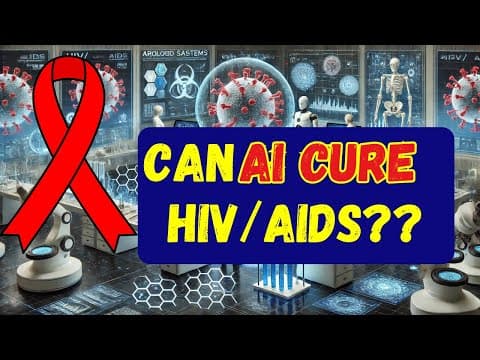
Can AI Help cure HIV AIDS in 2025

Why Ruiru is Almost Dominating Thika in 2025

Mathare Exposed! Discover Mathare-Nairobi through an immersive ground and aerial Tour- HD

Bullet Bras Evolution || Where did Bullet Bras go to?
In a stunning turn of events, Gretsa University in Kenya recently held a graduation ceremony that was not officially accredited by the Commission for University Education (CUE). The university, once considered a notable player in the education sector, found itself at the center of a scandal when the legitimacy of the degrees awarded came into question. While the ceremony went on as planned, with hundreds of students celebrating their academic achievements, the lack of formal accreditation casts a shadow over the entire event.
The problem emerged when it was discovered that Gretsa University's accreditation had not been renewed, rendering the graduation ceremony technically unrecognized by national education authorities. This situation has left many students and their families in a state of uncertainty, as the degrees conferred cannot be considered valid under the guidelines set by the government.
For many graduates, the ceremony was supposed to be the culmination of years of hard work and dedication. They were filled with pride as they walked across the stage, receiving diplomas and posing for photos. However, in the aftermath, these accomplishments seem to have lost their official weight. Without accreditation, the degrees awarded cannot be validated by the government or other institutions. This leaves graduates in a difficult position, as they may struggle to find formal employment or pursue further studies, since their credentials might not be recognized by employers or other universities.
Gretsa University is not alone in facing such challenges. In recent years, Kenya's higher education sector has been marred by several cases of institutions operating without the proper accreditation. Despite the growing number of private universities, maintaining accreditation remains a critical hurdle for many. This issue highlights the vulnerabilities within Kenya’s educational framework, particularly in the private sector, where there is often a lack of oversight and transparency.
While Gretsa University has stated that it is working to resolve its accreditation issues, the damage has already been done. The institution’s reputation has taken a severe hit, and many prospective students may think twice before enrolling. Moreover, this incident raises important questions about the quality of education provided at unaccredited institutions, and whether students are being adequately prepared for the job market.
The Commission for University Education (CUE) has since weighed in, emphasizing the importance of accreditation as a safeguard for both academic standards and the legitimacy of degrees awarded. Without proper accreditation, universities cannot ensure that their curricula meet national standards, and thus their graduates are left in limbo.
What this means for students and the future of education in Kenya:
Lack of recognition: Graduates who receive unaccredited degrees may face difficulty finding employment, as employers often require proof of accreditation before considering candidates.
Credibility issues for institutions: Universities like Gretsa that lose accreditation may face long-term challenges in attracting new students, as parents and students become wary of institutions that cannot guarantee the value of their degrees.
Government action needed: There is a pressing need for regulatory bodies such as the CUE to intensify monitoring of universities to ensure they meet required standards and maintain accreditation. This would ensure that students are investing in institutions that offer genuine educational value.
Impact on student morale: Graduates who celebrated their achievements now find themselves in a state of uncertainty, questioning the value of their hard work and investment.
While the situation at Gretsa University is unfortunate, it serves as a wake-up call for both students and education stakeholders in Kenya. It’s critical that students do thorough research before enrolling in any institution, ensuring that the university they choose is accredited and that their degree will hold value in the job market. This will prevent future disappointment and confusion for those investing their time and resources in their education.






0 comments