
Your Read is on the Way
Every Story Matters
Every Story Matters
The Hydropower Boom in Africa: A Green Energy Revolution Africa is tapping into its immense hydropower potential, ushering in an era of renewable energy. With monumental projects like Ethiopia’s Grand Ethiopian Renaissance Dam (GERD) and the Inga Dams in the Democratic Republic of Congo, the continent is gearing up to address its energy demands sustainably while driving economic growth.
Northern Kenya is a region rich in resources, cultural diversity, and strategic trade potential, yet it remains underutilized in the national development agenda.
Can AI Help cure HIV AIDS in 2025

Why Ruiru is Almost Dominating Thika in 2025

Mathare Exposed! Discover Mathare-Nairobi through an immersive ground and aerial Tour- HD

Bullet Bras Evolution || Where did Bullet Bras go to?
The story of SABIS begins in 1886 with a single school in the mountains of Lebanon. Over the decades, this modest initiative has grown into a powerhouse in international education, operating schools across the Middle East, Africa, Europe, Asia, and the Americas. What began as a local effort to offer structured education evolved into a systemized global institution with a mission to raise well-rounded, responsible, and capable individuals.
SABIS schools are unified under a consistent educational philosophy—rigorous academics paired with character building. Though scattered across continents, each institution functions with the same high standards, ensuring that a student in Nairobi, Abu Dhabi, or Minnesota receives the same level of preparation and academic challenge.
SABIS follows a proprietary educational system that blends traditional pedagogy with modern efficiency. The curriculum is streamlined, analytical, and data-driven. Students are regularly assessed through internal benchmarks, ensuring both individual progress and system-wide consistency. From early primary through high school, the emphasis remains on mastering core concepts while applying critical thinking and problem-solving skills.
Subjects span from the sciences and mathematics to languages, humanities, and the arts. English is the primary language of instruction in most SABIS schools, though local languages are also integrated depending on the region. The academic structure aligns with international standards, allowing students to sit for globally recognized exams such as the IGCSEs and Advanced Placement (AP®) courses.
What makes the SABIS system unique is the heavy use of assessments to tailor instruction. Performance tracking is not occasional but continuous, offering real-time feedback to students, teachers, and parents. This ensures academic gaps are addressed swiftly and effectively.
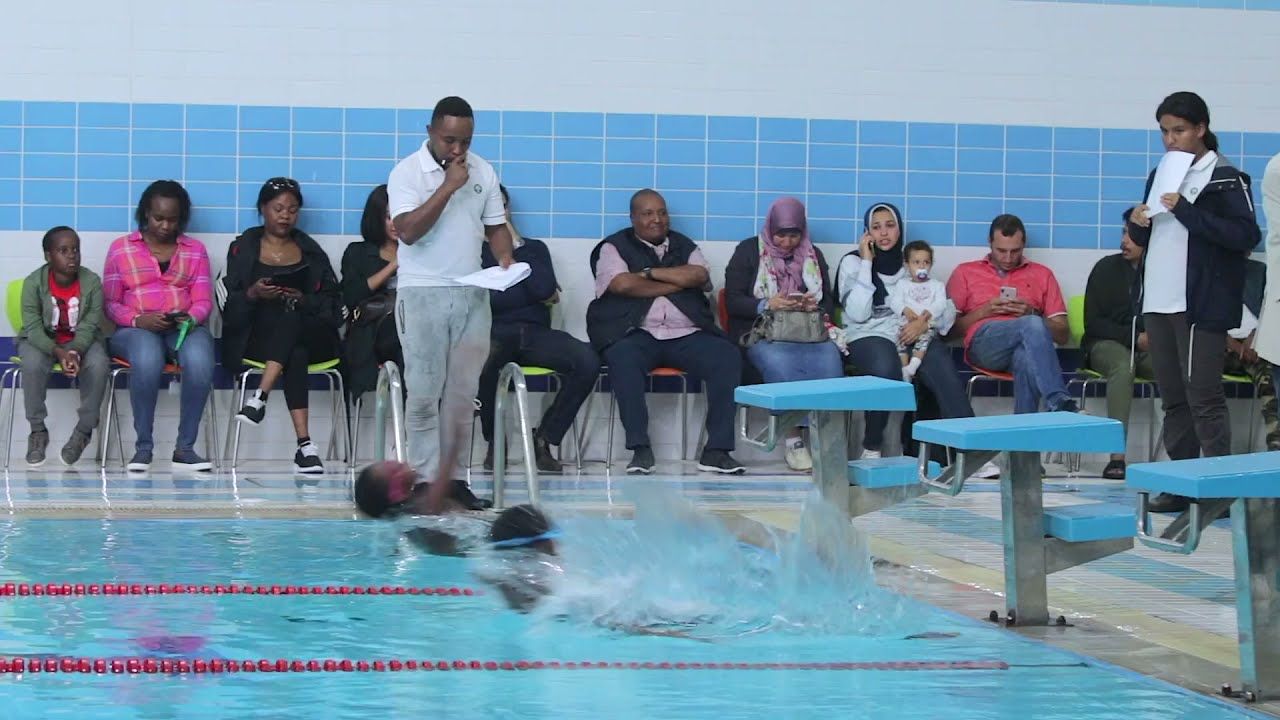
SABIS’s commitment to holistic education is embodied in its Student Life Organization® (SLO®), a student-led initiative that focuses on leadership, discipline, and civic responsibility. Students take on active roles in school governance, peer tutoring, discipline enforcement, and even event planning.
This system cultivates independence and confidence. By managing responsibilities usually reserved for adults, students learn time management, teamwork, and problem-solving—skills that extend far beyond the classroom. The experience positions them not just as learners, but as contributors and leaders.
SLO® fosters a sense of community and purpose. From organizing anti-bullying campaigns to managing clubs and sports teams, students shape their school culture in a meaningful way. It instills accountability, pride, and an intrinsic motivation to excel—not only academically but personally.
Despite operating on a shared system, SABIS schools adapt to their cultural environments. In African campuses, for instance, regional languages and cultural studies are woven into the curriculum to reflect the identity and history of the students. In Europe and the U.S., local educational regulations are respected while still maintaining the SABIS framework.
This dual approach ensures that students remain globally competitive while also being rooted in their national identity. It allows them to seamlessly transition into universities anywhere in the world without losing touch with where they come from.
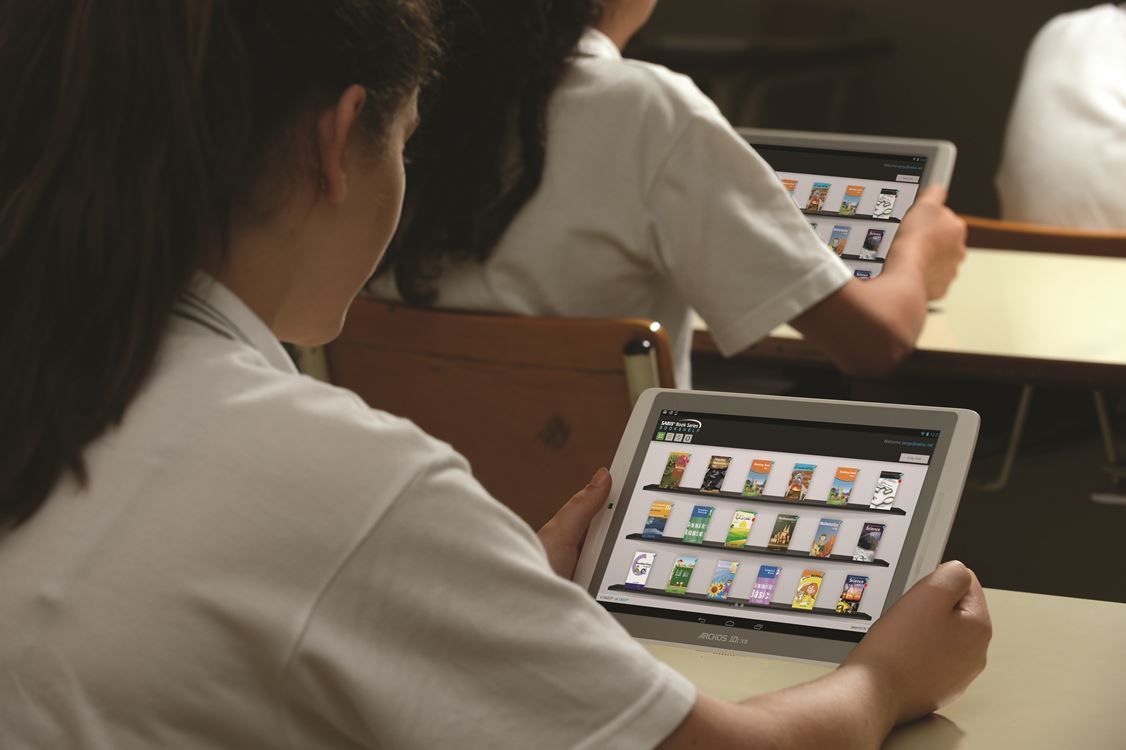
SABIS has embraced digital tools well before it became a necessity. The system incorporates technology not as a novelty, but as a core component of the learning process. Digital platforms are used for homework, assessments, and performance analytics. Teachers are equipped with interactive dashboards that allow them to track class-wide progress at a glance, and students have access to online portals that support their learning journey.
During global disruptions like the COVID-19 pandemic, SABIS schools were quick to shift to remote learning without losing instructional momentum. The technology infrastructure was already in place, proving the system’s foresight and adaptability.
The ultimate goal of a SABIS education is not just college admission—it’s lifelong success. Graduates leave the system prepared for a variety of international examinations and are well-positioned to enter prestigious universities around the world. But more importantly, they graduate with skills in leadership, organization, resilience, and adaptability.
The emphasis on personal development ensures that students are not just academically proficient, but emotionally and socially equipped to handle the complexities of the modern world. From business to medicine to public service, SABIS alumni have made their mark globally.
No education system is without its critics. SABIS’s structured, high-pressure approach can be intense for some students, especially those who prefer less rigid environments. The heavy focus on assessments and academic discipline may not align with every learner’s needs. Yet, for families seeking a clear academic trajectory with tangible outcomes, it remains an attractive model.
SABIS International School has become more than just a collection of campuses. It is a movement—a systematized, well-oiled machine aimed at producing capable, ethical, and globally competent individuals. With its balance of academic rigor, leadership training, and adaptability, SABIS has positioned itself as a frontrunner in the future of education.
As the world continues to evolve, SABIS shows no signs of slowing down. With each graduating class, the system renews its promise: to educate not just minds, but people—ready for the world and driven to change it.
Read this related article: How Mirema School is Revolutionizing Education in Kenya





0 comments