
Your Read is on the Way
Every Story Matters
Every Story Matters
The Hydropower Boom in Africa: A Green Energy Revolution Africa is tapping into its immense hydropower potential, ushering in an era of renewable energy. With monumental projects like Ethiopia’s Grand Ethiopian Renaissance Dam (GERD) and the Inga Dams in the Democratic Republic of Congo, the continent is gearing up to address its energy demands sustainably while driving economic growth.
Northern Kenya is a region rich in resources, cultural diversity, and strategic trade potential, yet it remains underutilized in the national development agenda.

Can AI Help cure HIV AIDS in 2025

Why Ruiru is Almost Dominating Thika in 2025

Mathare Exposed! Discover Mathare-Nairobi through an immersive ground and aerial Tour- HD

Bullet Bras Evolution || Where did Bullet Bras go to?
The Technical University of Kenya (TUK) has been thrown into an unprecedented crisis, with lecturers and university staff refusing to return to work as they expose a web of financial fraud that has crippled the institution. What initially started as a routine demonstration over salary delays has spiraled into a full-blown corruption scandal, unveiling a shocking scheme where millions of shillings meant for statutory deductions, pensions, and loan repayments have been systematically siphoned away. For the past 50 days, the institution has remained paralyzed not merely due to unpaid dues but because of an entrenched culture of financial mismanagement at the highest levels of the university’s administration.
Whistleblowers from the Universities and Academic Staff Union (UASU) TUK chapter have come forward with undeniable evidence linking senior university officials to ghost projects, inflated payroll expenses, and unexplained cash withdrawals. Documents and leaked financial records suggest that funds meant for faculty salaries and student programs have instead been funneled into private businesses, luxury properties, and offshore accounts owned by key administrators. As more details emerge, what was initially seen as a typical university funding issue has now exposed one of the most brazen embezzlement scandals in Kenya’s education sector.
An independent investigation spearheaded by a coalition of university staff, concerned students, and external auditors has uncovered a deeply disturbing paper trail. Bank records and financial transactions point to a long-standing scheme in which senior officials have diverted more than Sh300 million meant for university operations into private accounts under the guise of operational expenses. These funds, originally allocated for pensions, loan repayments, and faculty benefits, were instead used to finance luxury lifestyles, with top officials allegedly purchasing high-end vehicles, investing in real estate abroad, and funding personal businesses unrelated to the university.
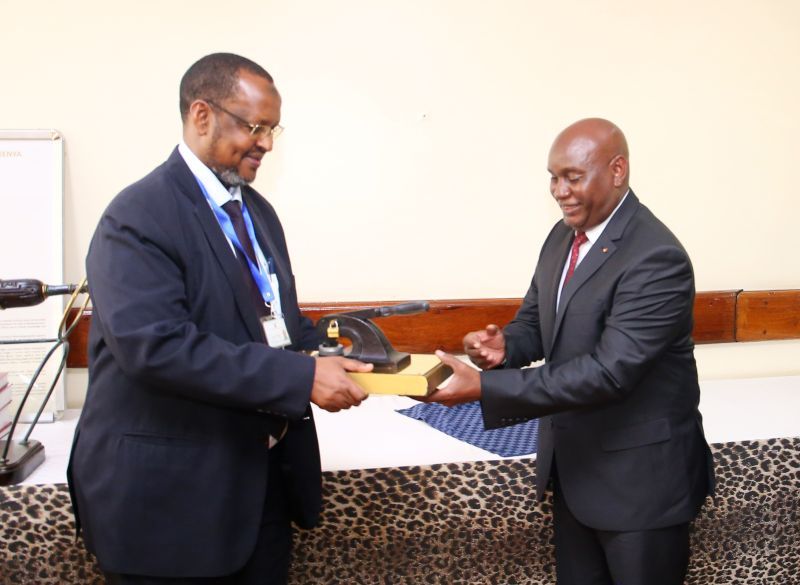
The fraudulent dealings appear to have been in motion for several years, hidden under layers of falsified financial reports and misclassified expenditures. According to UASU Secretary Fred Sawenja, the impact on lecturers has been devastating. “We have been silent for too long, watching our hard-earned money vanish without explanation. This is not just about unpaid salaries. It is about the blatant theft of funds that were meant for our future security, our medical insurance, and our ability to meet financial obligations,” he stated.
Despite repeated requests for transparency, the university administration has failed to provide a clear breakdown of its financial statements. In response, lecturers have refused to resume teaching until an independent forensic audit is conducted and those responsible for the mismanagement are held accountable. The union has also called for the immediate resignation of top university officials suspected of orchestrating the scandal.
The scandal’s impact has not been limited to university staff alone. Students have also borne the brunt of the institution’s financial collapse. With classes suspended indefinitely, thousands of students are now trapped in a cycle of academic uncertainty, unsure of whether they will be able to complete their studies. The disruption has thrown university calendars into disarray, forcing many students to put their education on hold as they wait for a resolution.
Exams, which were initially scheduled to take place before the end of the semester, have been postponed indefinitely. Research projects, internships, and industrial attachments, which are key components of many students’ academic programs, have also been affected, leaving learners in limbo. Some students who rely on scholarships are at risk of losing funding as the institution struggles to provide financial records required by sponsors.
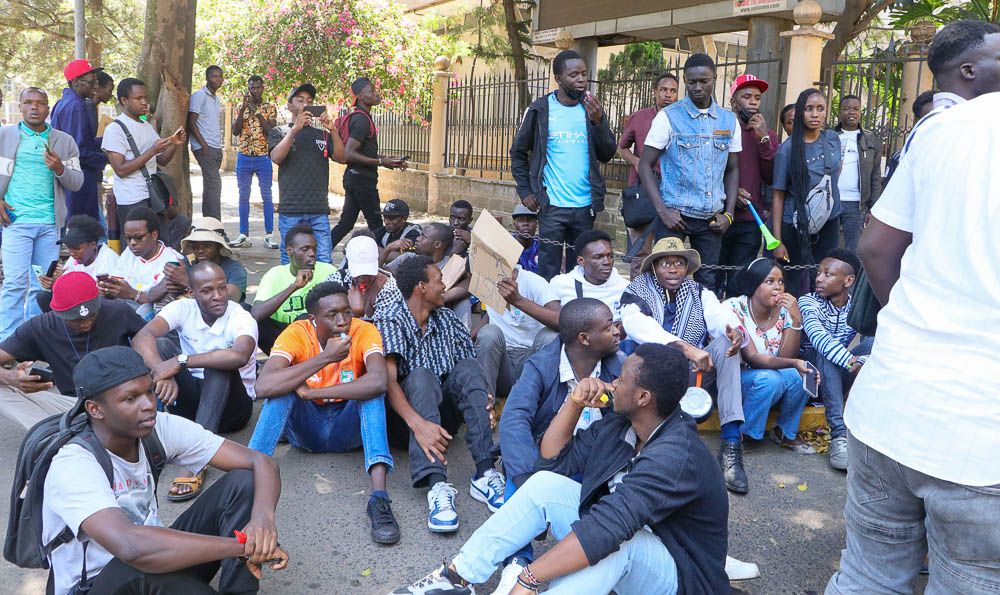
Frustrated by the lack of action, a group of student leaders attempted to storm the Vice Chancellor’s office in protest, demanding clear answers and immediate solutions. "We are paying for an education we are not receiving," one student leader lamented. "If this is not resolved soon, we will be forced to seek legal action against the university for breach of contract. We will not stand by while our futures are ruined by corruption and incompetence."
As pressure mounts, the crisis has extended beyond the university, with the Ministry of Education facing calls for immediate intervention. Lawmakers and education advocates have demanded that the government step in to dissolve the university’s leadership and conduct an urgent financial audit to uncover the full extent of the mismanagement. The university’s governing council, which is responsible for overseeing financial operations, has also come under fire for failing to detect and prevent the misallocation of funds.
The Education Cabinet Secretary has been urged to not only take action against the officials involved but also establish new safeguards to prevent similar financial scandals from occurring in the future. The exposure of TUK’s financial irregularities has sparked a broader discussion about the chronic underfunding and mismanagement of Kenya’s public universities, raising concerns that other institutions may be facing similar crises behind closed doors.
Despite overwhelming evidence, the university’s leadership has continued to deny any wrongdoing, instead blaming external factors such as budget cuts and economic constraints for the institution’s financial struggles. However, leaked internal emails and bank transactions tell a completely different story, one of deliberate fraud, systemic abuse of power, and years of unchecked corruption.

With no clear resolution in sight, TUK stands at a critical crossroads. Lecturers have vowed not to return to work until their demands for financial transparency and accountability are met, while students are preparing to take legal action if the academic disruptions persist. The entire university ecosystem is on the brink of collapse, as continued mismanagement threatens to permanently damage the institution’s reputation and academic standing.
The scandal at TUK has not only exposed the university’s financial rot but also shone a spotlight on the systemic failures plaguing Kenya’s higher education sector. The question now remains. Will those responsible for the mismanagement be held accountable, or will corruption continue to flourish within the country’s academic institutions?
The fate of thousands of students, faculty members, and the credibility of Kenya’s university system now hangs in the balance. The coming weeks will determine whether justice is served or if this will become yet another case of financial impunity in Kenya’s public institutions.






0 comments