
Your Read is on the Way
Every Story Matters
Every Story Matters
The Hydropower Boom in Africa: A Green Energy Revolution Africa is tapping into its immense hydropower potential, ushering in an era of renewable energy. With monumental projects like Ethiopia’s Grand Ethiopian Renaissance Dam (GERD) and the Inga Dams in the Democratic Republic of Congo, the continent is gearing up to address its energy demands sustainably while driving economic growth.
Northern Kenya is a region rich in resources, cultural diversity, and strategic trade potential, yet it remains underutilized in the national development agenda.

Can AI Help cure HIV AIDS in 2025

Why Ruiru is Almost Dominating Thika in 2025

Mathare Exposed! Discover Mathare-Nairobi through an immersive ground and aerial Tour- HD

Bullet Bras Evolution || Where did Bullet Bras go to?
The 2025 Madaraka Day celebration in Homa Bay County unfolded with grandeur, reverence, and a surprise flourish of international friendship. As Kenyans marked 62 years since gaining internal self-rule, the event took on added significance with the attendance of Slovenia’s President Nataša Pirc Musar—invited as the chief guest. But what truly captivated the nation wasn't just the speeches or the ceremonial order—it was the shared joy of two leaders swaying to the rhythm of a culture far from one of their own.
During the cultural performances that followed the official speeches, traditional Luo dancers took center stage, their vibrant costumes and hypnotic drumbeats lighting up the Raila Odinga Stadium. As the music picked up tempo, President William Ruto rose from his seat, smiling, and extended a warm invitation to President Musar to join him. She obliged without hesitation, and together, they stepped onto the performance grounds. Their movements were unpolished, but their sincerity and enthusiasm made up for it.
The two leaders clapped, shuffled, and swayed to the rhythm, echoing the unity and mutual respect that diplomatic ties strive to achieve. In those moments, the stadium—filled with government officials, local leaders, dignitaries, and thousands of Kenyans—erupted in applause, cheering the harmony of politics and people.
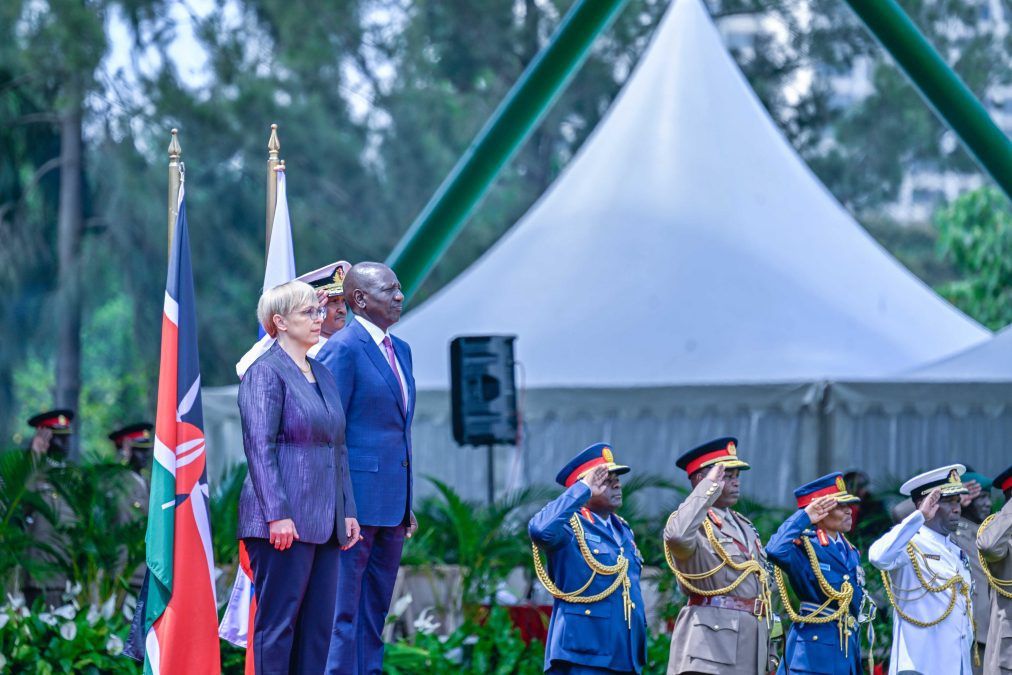
The impromptu dance was more than entertainment. It was symbolic of a new type of diplomacy—one that acknowledges the importance of cultural connection as a gateway to global understanding. As President Ruto guided his guest through the motions of the Luo rhythm, it wasn’t just about music. It was about showcasing Kenya’s openness, its heritage, and the message that leadership, too, can embrace the human spirit.
This act of shared celebration cut across the traditional rigidity of state functions. It showed a side of politics that is relatable, and for many Kenyans watching either live or through broadcasts, it was a rare moment of levity and authenticity. President Musar’s participation displayed her willingness to immerse herself in her host nation’s traditions—a powerful gesture not lost on the people of Homa Bay and the nation at large.
Kenya and Slovenia may be separated by geography and culture, but on this day, they were united in song and movement. The presence of President Musar, and her active participation in local customs, communicated a deeper bond than any signed memorandum could. Her openness earned her admiration from both the crowd and viewers across the country.
This engagement also reflects a broader trend where soft diplomacy—through music, tradition, and cultural appreciation—is increasingly becoming a tool for building lasting international relationships. By stepping into Kenya’s cultural space with grace and joy, President Musar not only honored her host but also opened the door to strengthened bilateral cooperation.
While Madaraka Day is primarily a commemoration of Kenya’s path to sovereignty, this year’s celebration took on a life of its own. The joint dance between President Ruto and President Musar became the most replayed moment of the event—shared widely across digital platforms, and even dominating conversations beyond political commentary.
For a nation often divided along political lines, the image of two leaders—local and foreign—dancing in unity served as a powerful reminder of the values Madaraka Day stands for: freedom, unity, and pride in identity.






0 comments