
Your Read is on the Way
Every Story Matters
Every Story Matters
The Hydropower Boom in Africa: A Green Energy Revolution Africa is tapping into its immense hydropower potential, ushering in an era of renewable energy. With monumental projects like Ethiopia’s Grand Ethiopian Renaissance Dam (GERD) and the Inga Dams in the Democratic Republic of Congo, the continent is gearing up to address its energy demands sustainably while driving economic growth.
Northern Kenya is a region rich in resources, cultural diversity, and strategic trade potential, yet it remains underutilized in the national development agenda.

Can AI Help cure HIV AIDS in 2025

Why Ruiru is Almost Dominating Thika in 2025

Mathare Exposed! Discover Mathare-Nairobi through an immersive ground and aerial Tour- HD

Bullet Bras Evolution || Where did Bullet Bras go to?
The Association of Southeast Asian Nations (Asean) is in a frantic scramble to respond to US President Donald Trump’s proposed 25% tariffs on key exports, including cars, semiconductors, and pharmaceuticals. This sudden move has placed the regional bloc in an economic chokehold, threatening trade relationships and exposing deep fractures within Asean itself.
The United States is one of Asean’s most important trade partners, absorbing billions of dollars in exports annually. Malaysia, Thailand, and Vietnam—all of which enjoy substantial trade surpluses with the US—are particularly vulnerable. Trump’s America First policy has repeatedly targeted countries with significant trade imbalances, making these three nations primary targets.
To counter the threat, Asean leaders are scrambling to present a unified response. Malaysia’s Foreign Minister, Mohamad Hasan, has called for a summit with the US to discuss the tariffs, but the lack of a confirmed date or location reflects the uncertainty surrounding the situation. Meanwhile, whispers of internal backdoor negotiations between individual member states and the US signal potential fractures within the bloc.
While the Trump administration’s tariffs on Asean are already concerning, an even more alarming prospect looms: a full trade break between the US and China.
If Washington were to sever economic ties with Beijing, Asean would face a mix of opportunities and challenges:
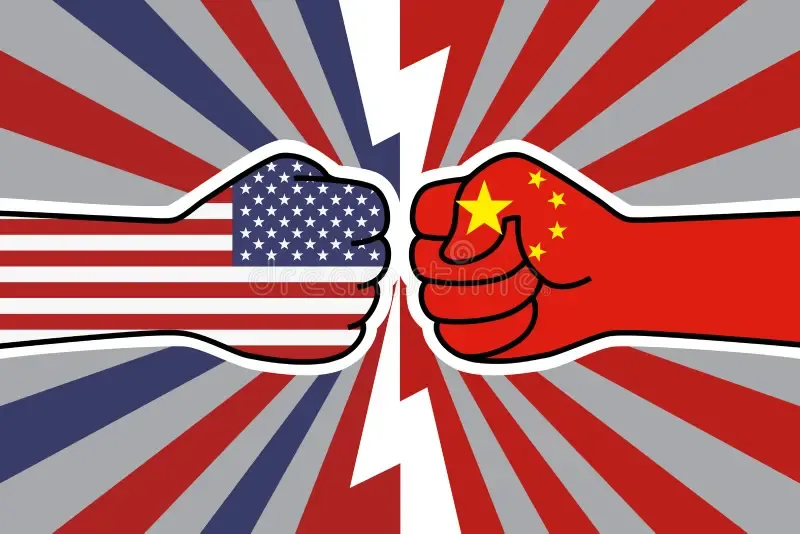
This uncertainty has left Asean leaders in a difficult position, unsure whether to double down on their US partnerships or pivot toward China’s expanding trade network.
In an effort to strengthen regional economic ties, Asean has deepened its trade relationship with China through the Regional Comprehensive Economic Partnership (RCEP). This China-led free trade agreement includes Asean’s 10 member states along with Japan, South Korea, Australia, and New Zealand, making it the largest trade deal in the world by total GDP.
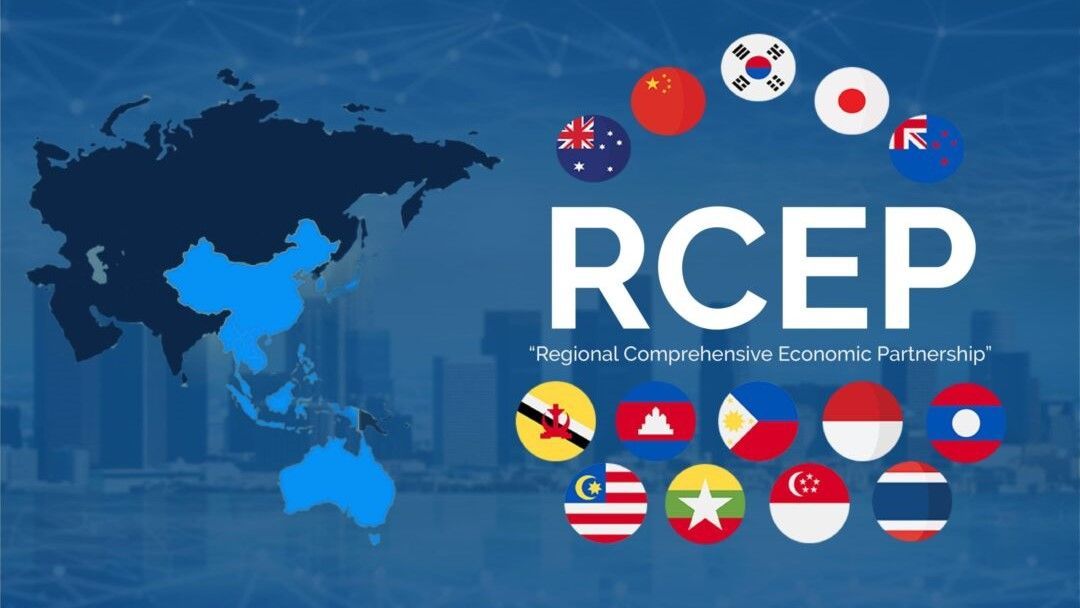
While RCEP offers Asean nations an alternative market, it does not fully replace the benefits of US trade. Many Asean economies remain reliant on Western consumers, and a trade war with the US would force difficult economic adjustments.
Asean has long struggled to function as a true economic bloc. Unlike the European Union, it lacks a unified trade policy, with each member state negotiating its own trade deals. The ongoing US tariff dispute has only highlighted these weaknesses.
With some nations considering individual agreements with Washington, Asean’s credibility as a regional powerhouse is on the line. If member states abandon collective negotiations, it could mark the beginning of Asean’s fragmentation, leaving it vulnerable to global economic shifts.
As the deadline for US tariffs looms, Asean must make a choice: stand together as a united trade front or allow national interests to override regional solidarity. Whatever the decision, the consequences will reshape the region’s economic landscape for years to come.






0 comments