
Your Read is on the Way
Every Story Matters
Every Story Matters
The Hydropower Boom in Africa: A Green Energy Revolution Africa is tapping into its immense hydropower potential, ushering in an era of renewable energy. With monumental projects like Ethiopia’s Grand Ethiopian Renaissance Dam (GERD) and the Inga Dams in the Democratic Republic of Congo, the continent is gearing up to address its energy demands sustainably while driving economic growth.
Northern Kenya is a region rich in resources, cultural diversity, and strategic trade potential, yet it remains underutilized in the national development agenda.
Can AI Help cure HIV AIDS in 2025

Why Ruiru is Almost Dominating Thika in 2025

Mathare Exposed! Discover Mathare-Nairobi through an immersive ground and aerial Tour- HD

Bullet Bras Evolution || Where did Bullet Bras go to?
William Samoei Ruto’s political ascent is one of the most dramatic in Kenya’s modern history. Born in 1966 in Kamagut, Uasin Gishu County, Ruto grew up in modest circumstances, selling chickens and peanuts by the roadside. His early story, one of grit and resilience, would become central to his later political branding.
After earning a PhD in Plant Ecology and building ties within the Kenya African National Union (KANU), Ruto found himself aligned with the late President Daniel arap Moi. His career began to take shape in the 1990s under YK ’92—a campaign vehicle for Moi’s re-election, notorious for its strong-arm tactics and patronage networks.
Ruto transitioned from a loyal foot soldier to a power broker, gaining a reputation for being sharp, strategic, and unapologetically ambitious. Elected to Parliament in 1997, he quickly rose through the ranks, becoming Minister for Home Affairs, then Agriculture, and eventually Deputy President in 2013 under Uhuru Kenyatta.
While serving as Deputy President from 2013 to 2022, Ruto was widely seen as the engine behind many of Jubilee’s development projects. However, cracks in his relationship with President Kenyatta became public and brutal. Kenyatta sidelined Ruto during his second term, accusing him of corruption and disloyalty. Ruto, in turn, crafted a populist identity—"Hustler Nation"—framing himself as the anti-elite champion of the poor.
By 2022, that branding proved effective. Against the odds, Ruto defeated Raila Odinga in one of Kenya’s most tightly contested elections, becoming President on the promise of empowering ordinary citizens and dismantling the dynastic elite. But what came next would change public perception dramatically.
Once in office, Ruto’s tone shifted from the scrappy outsider to a hardened statesman wielding state power with force. He immediately pushed through aggressive tax hikes, citing the need to plug Kenya’s massive debt hole. But the burden fell hardest on the very people who had propelled him to power—the poor and working class.
The “Finance Act 2023” and subsequent budgets ushered in taxes on fuel, housing, digital payments, and basic commodities. His government defended the measures as necessary economic surgery, but critics called it betrayal. Public trust began to erode as Ruto’s administration ballooned with well-paid bureaucrats, political allies, and globe-trotting PR campaigns.
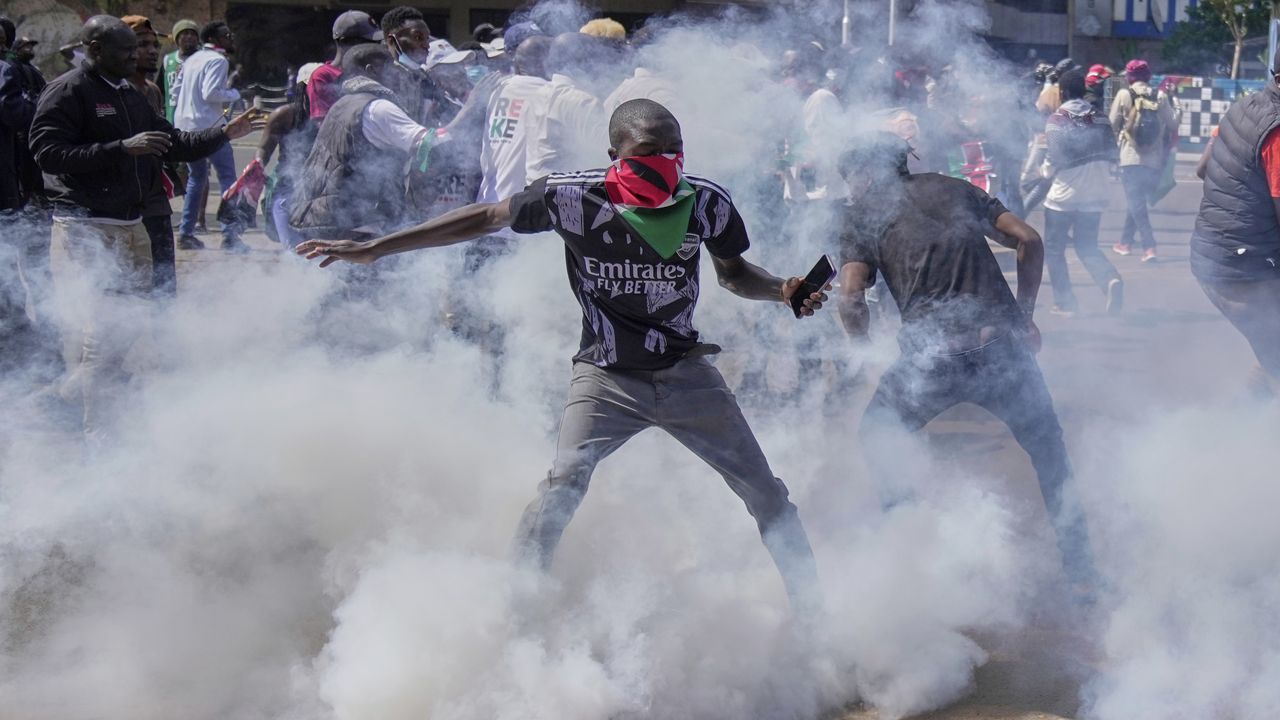
Under Ruto’s watch, the state has increasingly used force to quell dissent. Peaceful protesters, especially during the July 2024 and June 2025 tax uprisings, were met with tear gas, mass arrests, and even live bullets. Dozens have been injured, and several killed—triggering widespread condemnation.
Human rights watchdogs have accused the Ruto regime of reverting to colonial-era policing tactics. Journalists and activists have reported intimidation. Arrests of opposition figures and a clampdown on online expression have become common. The Hustler-in-Chief, many now say, is presiding over a democratic rollback.
To make matters worse, Kenya’s economic crisis has brought international institutions to the door. The International Monetary Fund (IMF) recently concluded a governance audit into Ruto’s government, probing whether corruption is bleeding public finances. While the full report is pending, early signs point to systemic failures in financial accountability and institutional integrity.
Debt repayments are spiraling. Revenue targets are being missed. And amid rising living costs, Ruto’s government is struggling to justify its choices. The man who once rallied against foreign control now appears increasingly beholden to it.
Ruto's political story is still unfolding, but his legacy is already sharply contested. To his supporters, he remains the embodiment of ambition—a self-made man who defied the elite and captured power against all odds. To his critics, he is a master manipulator—one who abandoned his promises and repackaged old corruption in a new populist bottle.
What’s clear is this: Ruto has reshaped Kenyan politics, but at a cost. The honeymoon is over. Now, he faces the test of governing a restless nation with rising youth anger, shrinking incomes, and growing suspicion from the very masses he once championed.
William Ruto rose by mastering the game. But now, he must survive it. His presidency is marked by contradictions—between rhetoric and reality, ambition and accountability. And unless he reclaims the public trust, history may not remember him as the hustler who made it, but as the president who lost his people.






0 comments