
Your Read is on the Way
Every Story Matters
Every Story Matters
The Hydropower Boom in Africa: A Green Energy Revolution Africa is tapping into its immense hydropower potential, ushering in an era of renewable energy. With monumental projects like Ethiopia’s Grand Ethiopian Renaissance Dam (GERD) and the Inga Dams in the Democratic Republic of Congo, the continent is gearing up to address its energy demands sustainably while driving economic growth.
Northern Kenya is a region rich in resources, cultural diversity, and strategic trade potential, yet it remains underutilized in the national development agenda.

Can AI Help cure HIV AIDS in 2025

Why Ruiru is Almost Dominating Thika in 2025

Mathare Exposed! Discover Mathare-Nairobi through an immersive ground and aerial Tour- HD

Bullet Bras Evolution || Where did Bullet Bras go to?
In what should have been a typical bustling day, major cities across Zimbabwe instead stood eerily silent. The streets, normally filled with the sounds of car horns, vendors calling out their wares, and hurried footsteps, were empty. Businesses that usually opened at dawn kept their doors shut. Transportation hubs were devoid of the usual morning crowds. The country, already struggling under economic hardship, seemed frozen in time.
This was not the result of a national holiday or a government-mandated lockdown. It was something else, a silent response to a call for protest. While no large gatherings materialized, the message was clear: fear and defiance could coexist in the same breath.
Authorities were not caught off guard. Anticipating unrest, security forces flooded the streets, positioning themselves in key areas of the cities. Armed officers stood guard outside government buildings, major intersections, and business districts. Roadblocks were set up, with officers closely monitoring anyone who dared venture outside. Helicopters patrolled from above, their shadows flickering over deserted streets.
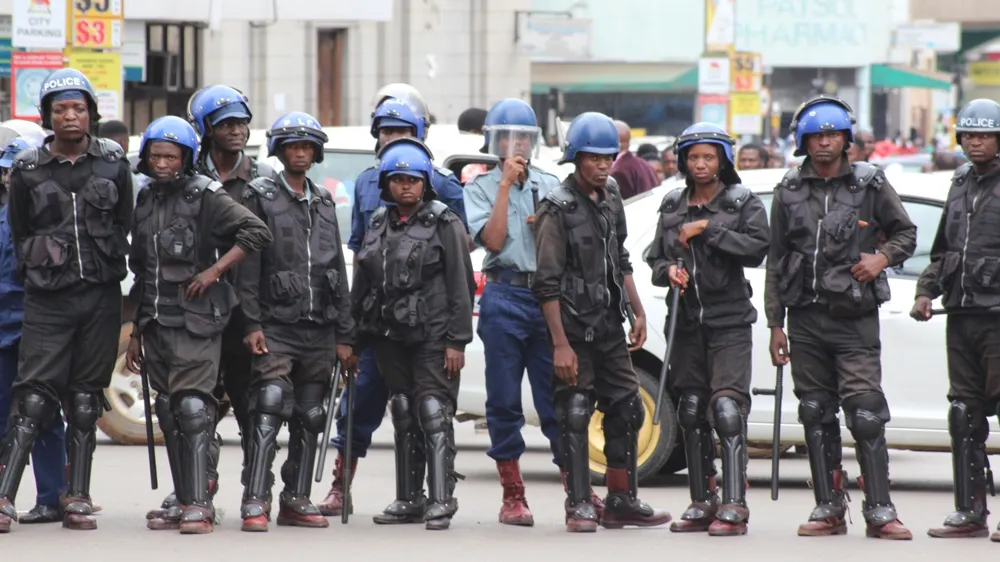
The heavy security presence sent a clear warning. Any attempt at a public demonstration would be met with force. The mere sight of uniformed personnel, rifles in hand, was enough to discourage even the boldest citizens from stepping forward. For many, the risk of arrest, violence, or worse far outweighed the urge to protest.
Though the anticipated protests never physically took place, the emptiness itself told a different story. Staying home became a symbolic act of resistance. Rather than openly challenge the government, citizens made their stance known by simply withdrawing from public spaces.
The reasons behind the protest call were rooted in deep-seated frustrations. Economic instability, soaring inflation, unemployment, and a political climate that left little room for dissent. Many Zimbabweans struggle daily to afford even the most basic necessities, while trust in leadership continues to erode. This demonstration, or rather the absence of one, reflected a population exhausted but not defeated.
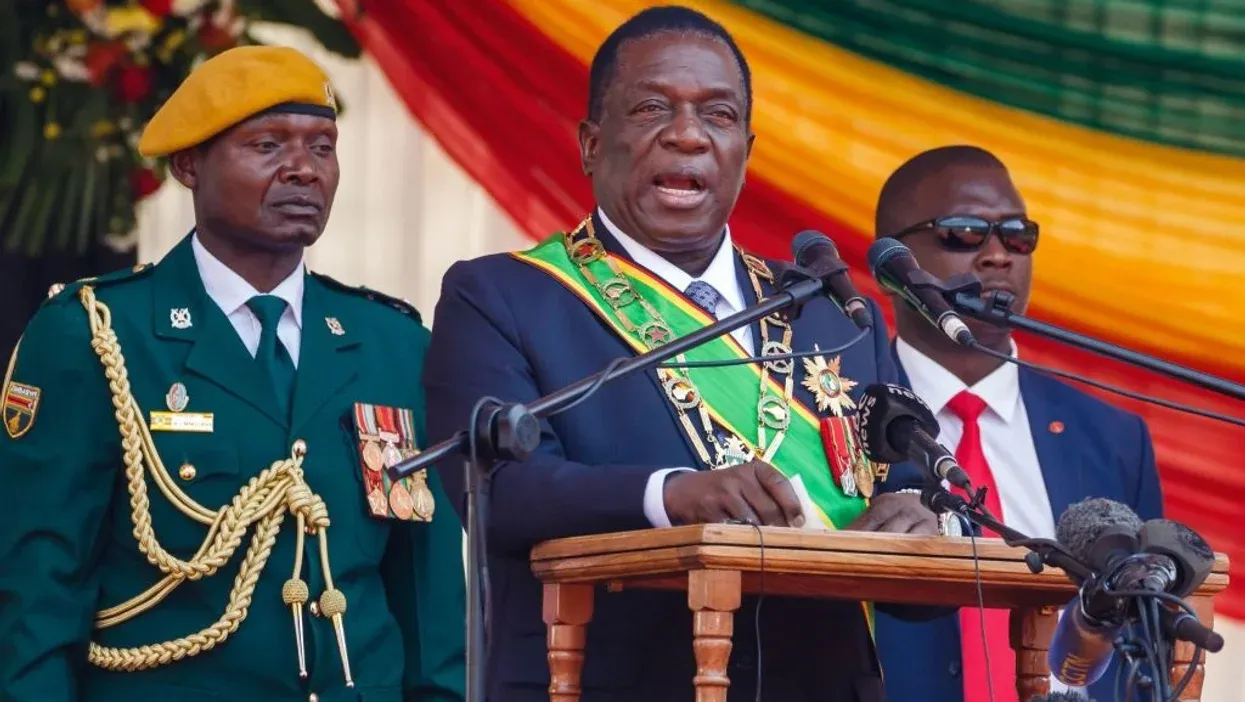
Officials framed the quiet streets as proof that Zimbabweans had rejected the call to protest. State media highlighted the lack of visible demonstrations as evidence that citizens supported stability over chaos. Yet, behind closed doors, the reality was different. Many stayed home not out of contentment, but out of fear of what could happen if they stepped outside.
For those who risked peeking out their windows, the sight of security forces patrolling neighborhoods reinforced the sense that the government was prepared for any opposition. Even with no direct confrontation, the tension was palpable. Conversations in private circles spoke of growing frustration, of a population pushed to its limits but unsure of how to respond.
The events of the day left a pressing question. What now? If people are too afraid to gather in the streets, will opposition take another form? Will silence become the new protest, or will discontent find other ways to manifest?
The government’s show of force may have prevented immediate chaos, but it did not address the root of the unrest. Economic struggles continue. Political dissatisfaction lingers. The streets may have been empty for now, but silence is not the same as surrender.






0 comments