










A Future Stolen
For over 80 Afghan women, the chance to study in Oman was more than just an academic opportunity—it was their escape from a regime that had erased their right to learn. Funded by USAID’s Women’s Scholarship Endowment (WSE), these young women pursued degrees in science, technology, engineering, and mathematics (STEM), fields now forbidden to them in Afghanistan. But the promise of a brighter future has been shattered. In a sudden and devastating turn, their scholarships have been canceled, and they now face deportation back to Afghanistan.
The decision follows sweeping foreign aid cuts under the new U.S. administration, which has halted billions in funding for global humanitarian programs, including educational initiatives. A brief email delivered the crushing news: their studies were over, and arrangements for their forced return to Afghanistan were underway. What was once a path toward empowerment has now turned into a countdown to a nightmare.
Returning to a Life of Restrictions
The Taliban’s return to power in Afghanistan has meant a systematic erasure of women’s rights. Universities are closed to them, employment is forbidden, and public life is tightly controlled. For many of these students, going back is not just about losing an education—it’s about losing their freedom, their safety, and their futures.
"We will be forced into lives we never wanted," says one of the students, speaking anonymously out of fear. "Many of us will be married off. Some of us have been activists. If we return, we may not survive."
Human rights groups have documented the Taliban’s crackdown on women who have protested for their rights, with reports of detentions, beatings, and disappearances. Some of these students had defied the Taliban’s bans, continuing their education in secret before they fled to Oman. Now, they may be sent back to a country where their mere existence as educated women makes them targets.
A Lifeline Cut Short
The students’ journey to Oman was filled with obstacles. After the Taliban took power, they fled to Pakistan, where they lived in limbo for months. USAID later helped secure visas for them to study in Oman, with assurances that their scholarships would support them until 2028. But those promises have now evaporated, leaving them stranded with no clear way forward.
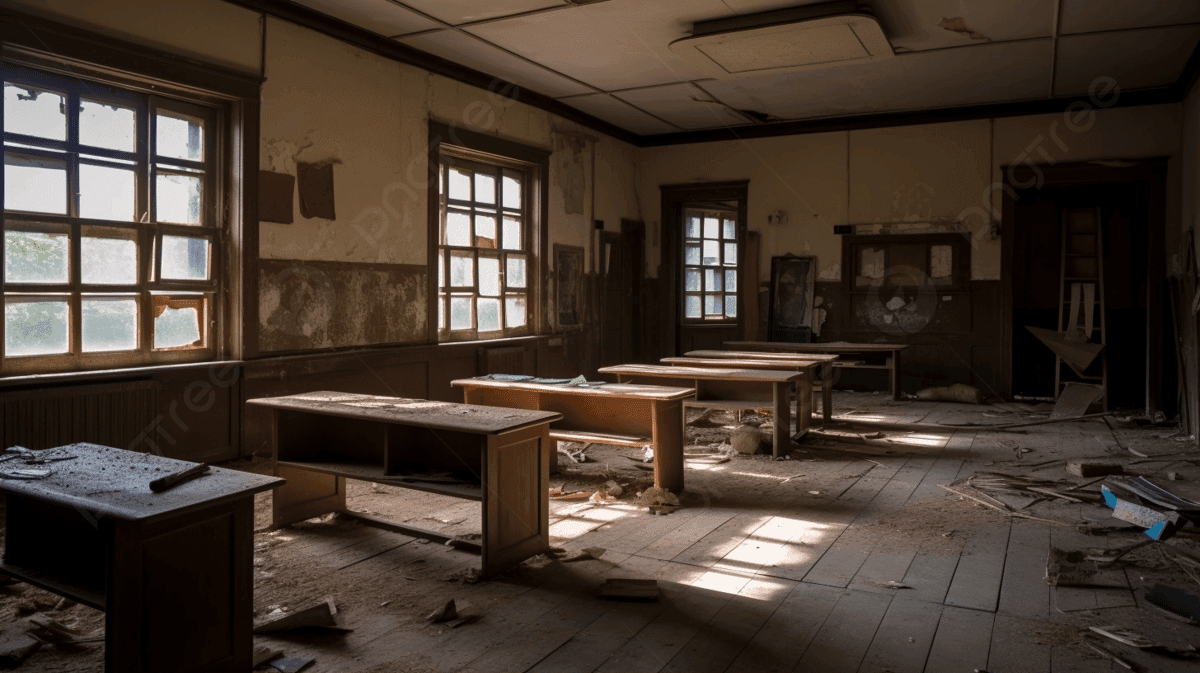
"When we arrived, we were told it wasn’t safe to visit Afghanistan," another student recalls. "Now they are forcing us back, knowing what awaits us."
Their requests for answers have been met with silence. USAID’s media contact page is down, and the U.S. government has offered no formal explanation. The White House, in a statement last month, blamed the current state of Afghan women’s rights on the previous administration’s withdrawal from Afghanistan, while simultaneously defending the decision to cut foreign aid programs.
A Global Failure
The international community has long condemned the Taliban’s oppression of women, but these young scholars now find themselves abandoned. No country has yet stepped forward to offer them refuge, no organization has yet secured emergency funding, and no diplomatic efforts have been announced to reverse the cuts.
"This is not just about us," one student insists. "This is about what happens when the world turns its back on Afghan women. We are being erased from education, from society, from history."
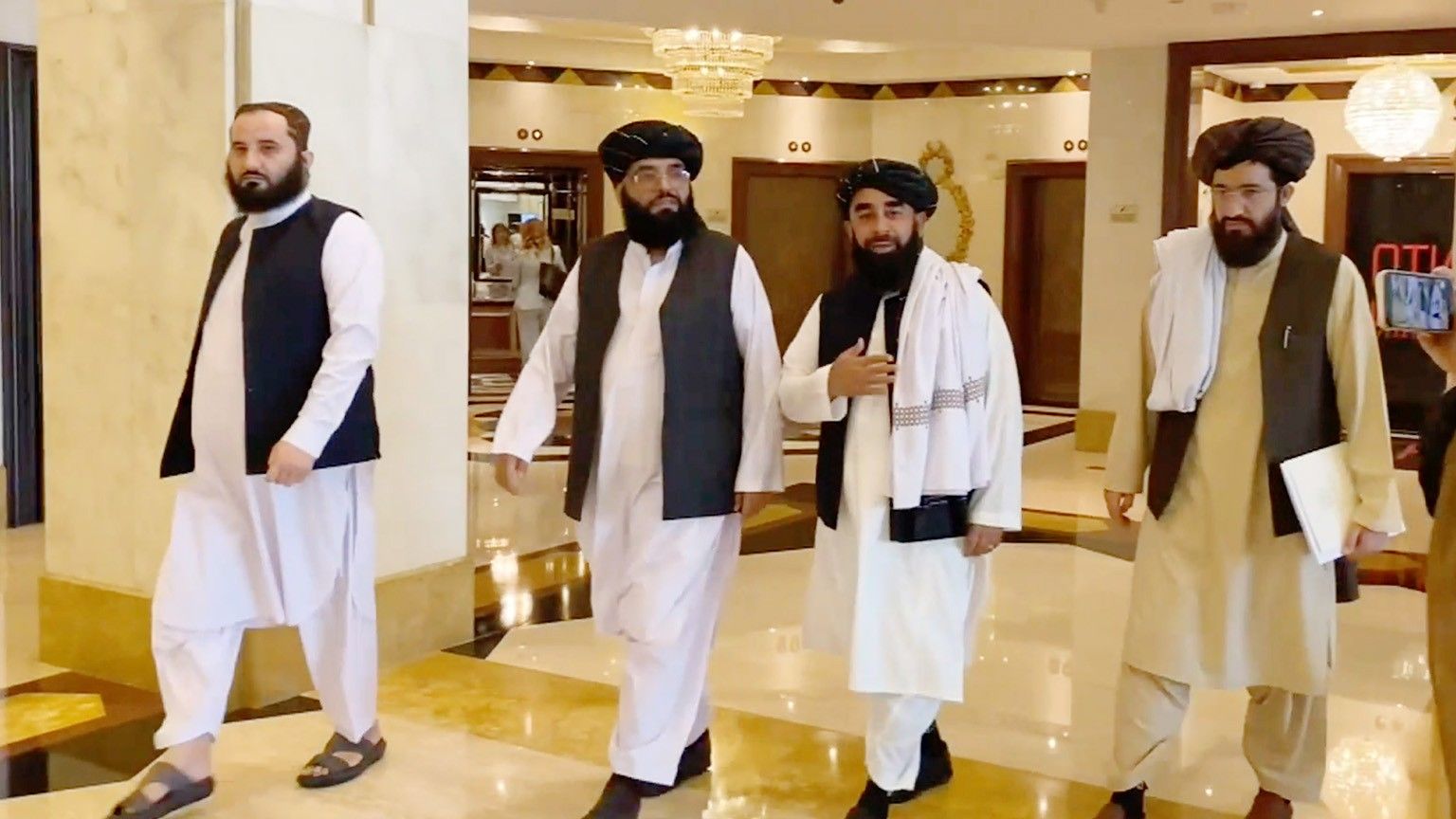
Despite the overwhelming evidence of repression, the Taliban maintains that its policies align with Islamic Sharia law, ignoring calls for change from world leaders. Meanwhile, activists warn that the forced return of these women would set a dangerous precedent, discouraging future aid and educational programs for Afghan refugees.
The Fight for a Second Chance
With only weeks left before their deportation, the students are making a desperate plea for intervention. They need asylum, emergency financial support, or a new scholarship program to relocate them to a safe country where they can finish their education. Their message is clear: "Help us before it’s too late."
As governments and international bodies debate policies, these young women are watching their dreams slip away. For them, this is not a political issue—it is a matter of life and death. Will the world act, or will it let their futures disappear into the shadows of oppression?
0 comments