
Your Read is on the Way
Every Story Matters
Every Story Matters
The Hydropower Boom in Africa: A Green Energy Revolution Africa is tapping into its immense hydropower potential, ushering in an era of renewable energy. With monumental projects like Ethiopia’s Grand Ethiopian Renaissance Dam (GERD) and the Inga Dams in the Democratic Republic of Congo, the continent is gearing up to address its energy demands sustainably while driving economic growth.
Northern Kenya is a region rich in resources, cultural diversity, and strategic trade potential, yet it remains underutilized in the national development agenda.

Can AI Help cure HIV AIDS in 2025

Why Ruiru is Almost Dominating Thika in 2025

Mathare Exposed! Discover Mathare-Nairobi through an immersive ground and aerial Tour- HD

Bullet Bras Evolution || Where did Bullet Bras go to?
The arrival of King Willem-Alexander and Queen Máxima in Kenya was intended to be a symbol of the strengthening diplomatic relations between the Netherlands and Kenya. The visit, carefully planned and executed, was expected to open new avenues for economic cooperation, trade, and cultural exchanges. However, instead of being universally celebrated, it has sparked intense debates across the country. While government officials have hailed it as a crucial step in solidifying partnerships in areas like trade, agriculture, and sustainable development, many citizens and activists view it through a much different lens.
To them, the royal visit is not merely ceremonial—it is an endorsement of a government currently facing serious allegations of human rights violations. In recent months, Kenya has witnessed a wave of mass protests, harsh crackdowns on dissent, and the suppression of political opposition, raising concerns about democracy and civil liberties. The timing of the Dutch monarchs’ visit has only intensified these anxieties, leaving many wondering whether this is the right moment for such a high-profile diplomatic event.
Kenya's recent political climate has been marked by widespread unrest, with reports of state-led crackdowns on opposition voices and ordinary citizens who have spoken out against government policies. The country has experienced a series of large-scale protests, some of which have been met with excessive force, arbitrary arrests, and allegations of extrajudicial disappearances. Many activists and international human rights organizations have raised alarms over the growing pattern of state repression, particularly following the violent response to public demonstrations against new government policies and economic hardships. These allegations have cast a long shadow over the royal visit, making it difficult to ignore the deeper implications of this diplomatic engagement.
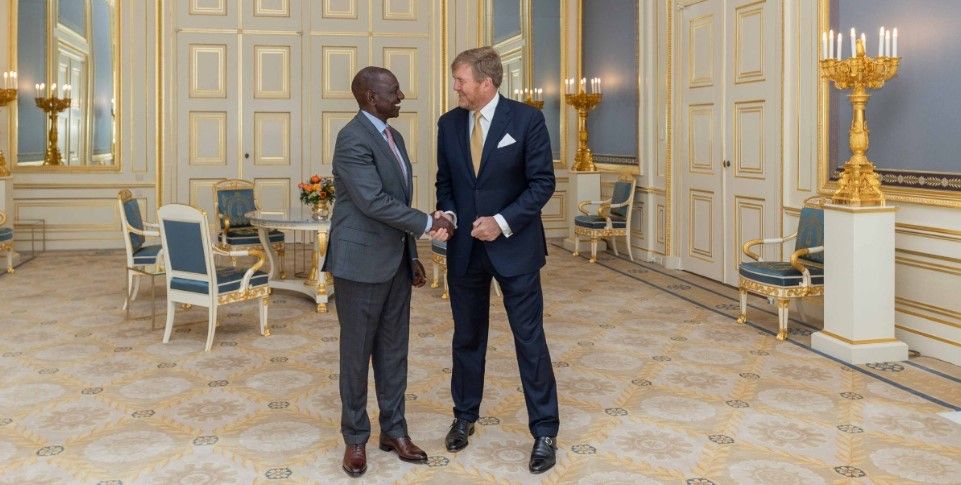
While officials have tried to emphasize the visit’s focus on trade, investment, and technological collaboration, the presence of the Dutch royals has become a focal point for discussions about governance, accountability, and justice. Critics argue that the Netherlands, known for its strong stance on human rights, should not be turning a blind eye to these pressing concerns in favor of economic and political convenience.
In the days leading up to the Dutch royals’ visit, public dissent has grown louder. Thousands of Kenyans have taken to social media, online petitions, and public demonstrations to voice their concerns about the timing and nature of the visit. Over 20,000 people signed a petition urging the Dutch government to reconsider sending the King and Queen to Kenya, arguing that their presence could be interpreted as support for a regime that has failed to uphold democratic values. Additionally, hundreds of emails have reportedly been sent to Dutch officials, calling for the visit to be postponed until significant progress is made in addressing human rights concerns.
Activists and organizations such as Amnesty International have urged the Dutch monarchy to use their influence to initiate conversations about democracy, press freedom, and police accountability in Kenya. They argue that ignoring these issues while engaging in diplomatic formalities would be a disservice to the very principles that the Netherlands has historically championed. Despite these calls, the visit has proceeded as planned, leaving many to question whether the Dutch royals will acknowledge the growing unrest or simply focus on their pre-planned agenda.
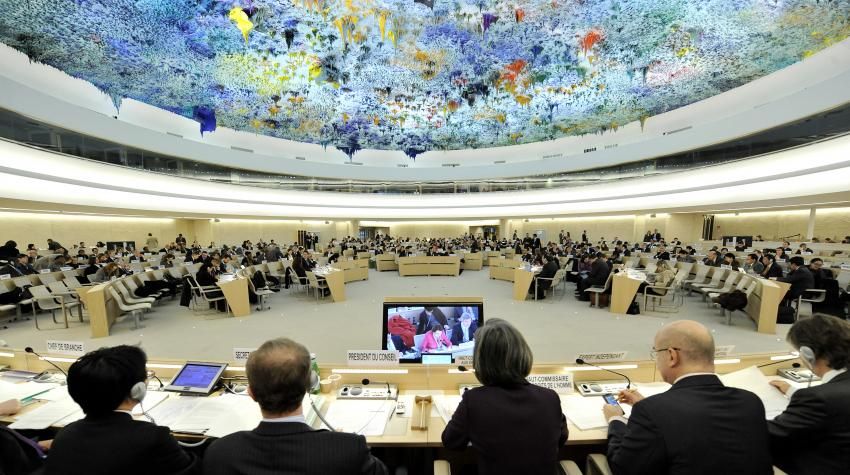
Beyond the immediate concerns surrounding the visit, Kenya’s role on the international stage has come under increased scrutiny. Recently, the country secured a seat on the United Nations Human Rights Council, a prestigious position that comes with a responsibility to uphold and promote human rights standards both domestically and globally. However, the irony of this appointment has not been lost on critics, who argue that Kenya’s current track record on human rights stands in direct contradiction to the values it is now expected to champion.
The Dutch monarchs’ visit has inadvertently amplified this debate, as Kenya’s government faces growing pressure to align its actions with its international commitments. Observers are keen to see whether Kenya will use this opportunity to reaffirm its dedication to democratic principles or if it will continue to dismiss the concerns raised by its own citizens and global watchdogs. At a time when international alliances are shaped by both economic interests and ethical considerations, this visit serves as a litmus test for Kenya’s credibility on the world stage.
As the Dutch King and Queen engage in a series of formal discussions, state banquets, and diplomatic meetings, they find themselves navigating a highly delicate situation. Their visit was meant to be a straightforward diplomatic affair, focused on strengthening ties between Kenya and the Netherlands, but it has instead turned into a significant test of international relations. On one hand, their presence presents an opportunity to foster investment, innovation, and cooperation between the two nations, with potential benefits in key sectors such as agriculture, trade, and education.
On the other hand, their visit risks legitimizing a government that has been widely criticized for its handling of political dissent and human rights issues. The question remains: will this visit be remembered as a diplomatic success, reinforcing Kenya’s ties with the Netherlands, or will it be overshadowed by the growing public discontent that continues to dominate the national conversation? The Dutch royals must tread carefully, balancing diplomacy with the need to acknowledge the realities on the ground, as the world watches closely to see how this moment in history unfolds.






0 comments