
Your Read is on the Way
Every Story Matters
Every Story Matters
The Hydropower Boom in Africa: A Green Energy Revolution Africa is tapping into its immense hydropower potential, ushering in an era of renewable energy. With monumental projects like Ethiopia’s Grand Ethiopian Renaissance Dam (GERD) and the Inga Dams in the Democratic Republic of Congo, the continent is gearing up to address its energy demands sustainably while driving economic growth.
Northern Kenya is a region rich in resources, cultural diversity, and strategic trade potential, yet it remains underutilized in the national development agenda.

Can AI Help cure HIV AIDS in 2025

Why Ruiru is Almost Dominating Thika in 2025

Mathare Exposed! Discover Mathare-Nairobi through an immersive ground and aerial Tour- HD

Bullet Bras Evolution || Where did Bullet Bras go to?
What was expected to be a simple show of solidarity turned into an international controversy. Kenyan political stalwart Martha Karua and former Chief Justice Willy Mutunga were denied entry into Tanzania upon arrival in Dar es Salaam. Their purpose was clear and peaceful: to observe the trial proceedings of Tanzanian opposition leader Tundu Lissu, a case that has drawn widespread attention due to its political weight and implications for human rights.
However, their journey was cut short at the airport. Immigration officers detained both figures without providing immediate reasons, before swiftly deporting them back to Nairobi. The incident raised immediate red flags about the Tanzanian government’s openness to external scrutiny, especially in high-stakes political trials.
Tanzanian officials later broke their silence, offering a single, cryptic explanation: “Hawana vyeti.” The Swahili phrase, which translates to “They lack certificates,” became the government’s catch-all reason for denying access to the two Kenyan leaders. Yet, what these supposed “certificates” are remains ambiguous. Were they legal documents for courtroom observation? Diplomatic clearances? Work permits?
No clarification has been offered, and this vagueness has only intensified public suspicion that the move was politically motivated. Both Karua and Mutunga are licensed, respected professionals—Karua a seasoned lawyer and politician, Mutunga a former Chief Justice—making the claim of lacking credentials difficult to justify on procedural grounds alone. The lack of specificity in the government's explanation paints the picture of a calculated barrier to transparency, framed in bureaucratic language.
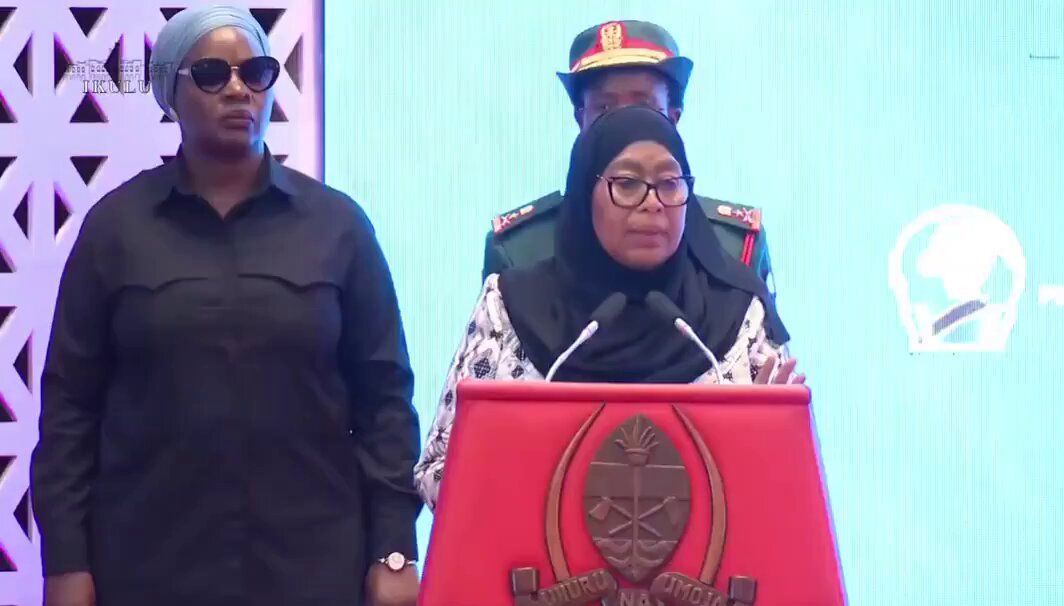
This act by Tanzania is more than just an administrative hiccup; it is a direct test of diplomatic etiquette and regional cohesion. Kenya and Tanzania are founding members of the East African Community (EAC), which champions cross-border cooperation and regional unity. The deportation of prominent Kenyan figures—particularly those with legal and democratic credentials—without substantive justification risks undermining the spirit of that cooperation.
It signals a potential inward turn by Tanzania, one that places state control above regional accountability. Kenya has yet to issue a formal diplomatic response, but pressure from the public and civil society is mounting. There are calls for the Kenyan government to defend the rights of its citizens and ensure that regional laws protecting free movement and political collaboration are upheld.
The incident fits into a broader regional concern: the shrinking civic space and the increasing intolerance for dissent. Both Martha Karua and Willy Mutunga have long championed justice, transparency, and human rights. Their presence at Lissu’s trial would have symbolized a united regional stance on the need for fair judicial processes.
Blocking them, therefore, sends a message not just to them but to all voices calling for accountability: that such efforts are unwelcome. If legal and political observers can be so easily turned away, what does that mean for regional oversight? This event exposes a trend where courts and political leaders in some East African states may be unwilling to face external review or pressure, even from fellow statesmen.
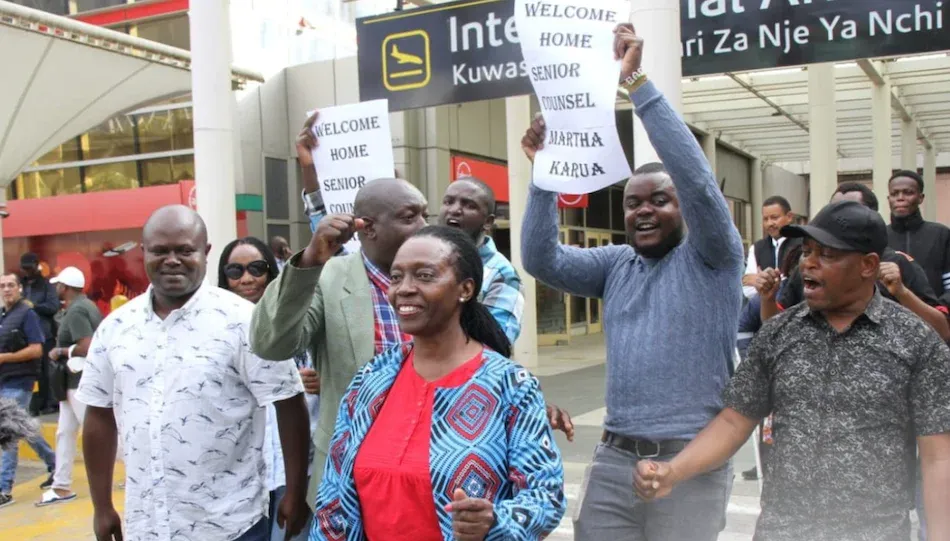
Back in Kenya, the public response has been swift and pointed. Supporters of both Karua and Mutunga have voiced outrage, condemning what they see as an act of intimidation and diplomatic disrespect. Human rights organizations have rallied behind the two leaders, calling for explanations from both Tanzania and Kenya, and urging the EAC to intervene.
The debate now extends beyond the deportation—it’s about the future of political engagement in East Africa. Can leaders from one state show solidarity in another without fear of ejection or suppression? Will legal and civic space across the region continue to shrink under authoritarian pressure? These are the questions now being asked, loudly and urgently.
What happened at Julius Nyerere International Airport is more than a border security issue—it’s a reflection of East Africa’s evolving political landscape. As democratic ideals clash with authoritarian tendencies, events like the deportation of Karua and Mutunga serve as watershed moments. Whether this was a matter of paperwork or politics, one thing is certain: it has triggered a reckoning.
The term “hawana vyeti” may be simple, but the layers of meaning it now carries are complex, dangerous, and deeply revealing. The region must now decide—will it stand for transparency and collaboration, or continue down the path of closed doors and silenced voices?






0 comments