
Your Read is on the Way
Every Story Matters
Every Story Matters
The Hydropower Boom in Africa: A Green Energy Revolution Africa is tapping into its immense hydropower potential, ushering in an era of renewable energy. With monumental projects like Ethiopia’s Grand Ethiopian Renaissance Dam (GERD) and the Inga Dams in the Democratic Republic of Congo, the continent is gearing up to address its energy demands sustainably while driving economic growth.
Northern Kenya is a region rich in resources, cultural diversity, and strategic trade potential, yet it remains underutilized in the national development agenda.

Can AI Help cure HIV AIDS in 2025

Why Ruiru is Almost Dominating Thika in 2025

Mathare Exposed! Discover Mathare-Nairobi through an immersive ground and aerial Tour- HD

Bullet Bras Evolution || Where did Bullet Bras go to?
Myanmar is grappling with an immense tragedy following a powerful 7.7-magnitude earthquake that struck the nation, leaving a trail of destruction and heartbreak. The disaster has claimed the lives of over 2,000 people, with thousands more injured, many of whom remain trapped under rubble. The catastrophe has deeply shaken the nation, leading authorities to declare a weeklong period of national mourning in honor of the victims. As search and rescue teams continue their efforts, hope of finding additional survivors fades, yet the resilience of the people remains unwavering.
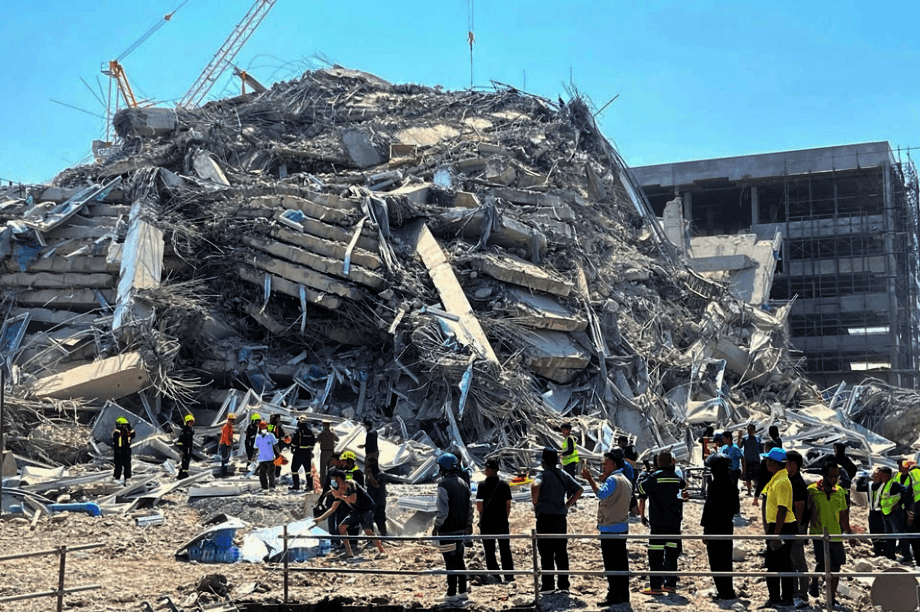
The earthquake, which struck near the densely populated city of Mandalay, caused buildings to collapse, roads to crack, and essential infrastructure to be severely damaged. In the immediate aftermath, chaos reigned as terrified residents scrambled to locate their loved ones and seek safety. Hospitals, already struggling with limited resources, quickly became overwhelmed by the influx of injured victims.
Survivors recount harrowing experiences of being trapped beneath debris, waiting desperately for rescuers to reach them. Many affected areas have been left without electricity or clean drinking water, compounding the humanitarian crisis. With critical infrastructure severely impacted, getting aid to those who need it most remains a significant challenge.
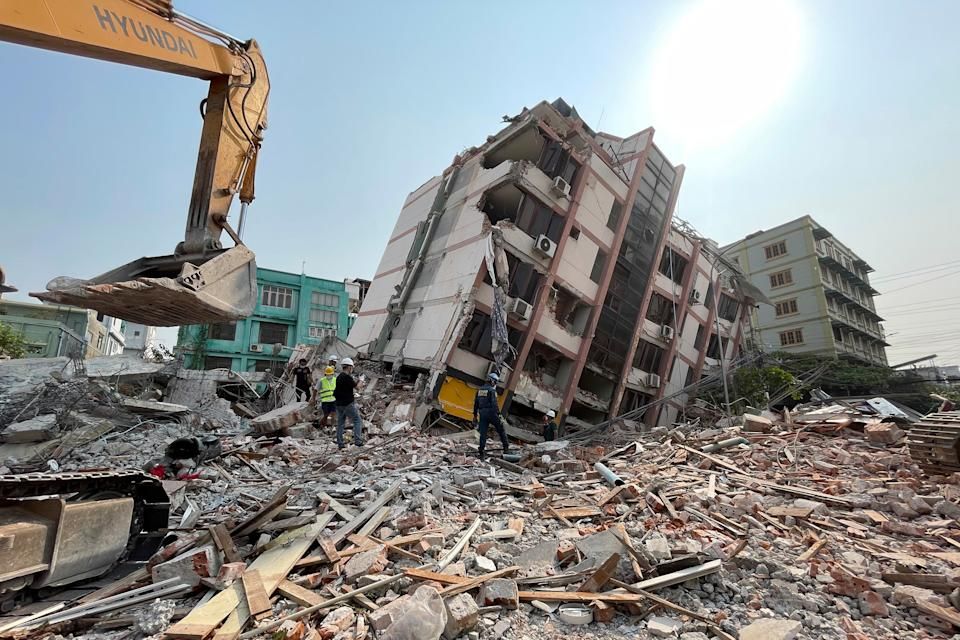
Rescue operations were launched immediately following the quake, with emergency responders working tirelessly to extract people from collapsed buildings. However, their efforts have been hindered by the extensive damage to roads and communication networks. Many areas remain inaccessible, and the lack of heavy machinery in certain regions has slowed progress.
Despite these difficulties, first responders and volunteers are demonstrating extraordinary bravery. Ordinary citizens, using their bare hands and makeshift tools, have joined in the rescue mission, determined to save as many lives as possible. Meanwhile, local authorities have been coordinating with international relief agencies to expedite assistance.
The international community has quickly mobilized to provide aid and relief to Myanmar. Neighboring countries, including China and India, have dispatched rescue teams, emergency medical personnel, and essential supplies such as food, water, and medical equipment. Various humanitarian organizations have also pledged their support, offering financial aid and logistical assistance.
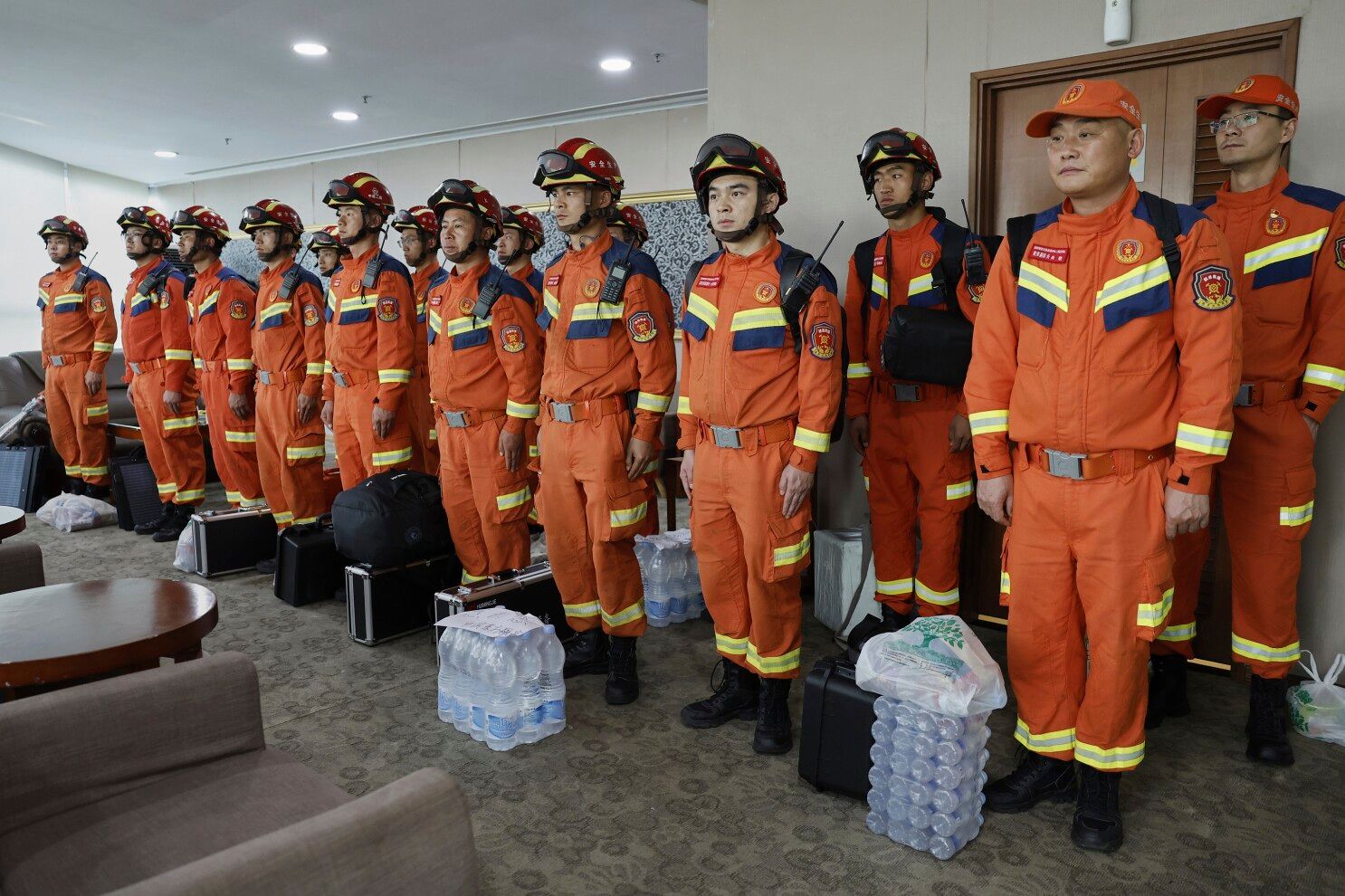
However, the distribution of aid remains challenging due to damaged infrastructure and political instability in the country. Many relief agencies are struggling to reach remote areas where entire villages have been reduced to rubble. Despite these obstacles, aid workers remain committed to ensuring that help reaches those in desperate need.
The earthquake has exacerbated Myanmar’s existing humanitarian crisis. Even before the disaster, the country faced ongoing economic hardship and political unrest. Now, with thousands left homeless, the challenge of rebuilding is even more daunting.
Reconstruction efforts will require extensive financial resources and a coordinated effort from both the government and international partners. Beyond physical rebuilding, there is also the emotional toll on survivors, many of whom have lost family members and friends. Psychological support and trauma counseling will be essential in helping people cope with the immense loss.
Despite the devastation, the people of Myanmar are showing remarkable resilience. Communities have come together to support one another, sharing food, shelter, and resources with those in need. Many have opened their homes to displaced families, while local organizations are working to provide temporary shelters and emergency aid.
Social media has also played a crucial role in coordinating relief efforts, with volunteers using online platforms to organize donations and direct aid to the most affected areas. This spirit of unity and solidarity is offering hope amid the darkness, proving that even in times of great despair, humanity prevails.
As Myanmar observes its week of mourning, the focus remains on saving lives and providing immediate relief to those affected. However, the road to recovery will be long and arduous. Rebuilding shattered communities, restoring infrastructure, and helping survivors heal,both physically and emotionally,will take years.
While the tragedy has brought immense suffering, it has also revealed the strength and resilience of the Myanmar people. With continued international support and the determination of its citizens, the nation can rise from this disaster stronger than before. As the mourning period unfolds, it is not just a time of grief but also a moment of reflection, unity, and hope for a better future.






0 comments