
Your Read is on the Way
Every Story Matters
Every Story Matters
The Hydropower Boom in Africa: A Green Energy Revolution Africa is tapping into its immense hydropower potential, ushering in an era of renewable energy. With monumental projects like Ethiopia’s Grand Ethiopian Renaissance Dam (GERD) and the Inga Dams in the Democratic Republic of Congo, the continent is gearing up to address its energy demands sustainably while driving economic growth.
Northern Kenya is a region rich in resources, cultural diversity, and strategic trade potential, yet it remains underutilized in the national development agenda.

Can AI Help cure HIV AIDS in 2025

Why Ruiru is Almost Dominating Thika in 2025

Mathare Exposed! Discover Mathare-Nairobi through an immersive ground and aerial Tour- HD

Bullet Bras Evolution || Where did Bullet Bras go to?
The Rumors That Sparked a Diplomatic Storm
Recently, a wave of rumors spread across East Africa, alleging that Kenyan political figure Raila Odinga had been sent by South Sudan to Uganda on a diplomatic mission. The purported objective was to arrange a high-stakes meeting with Uganda’s Vice President Riek Machar. The story quickly gained traction in the media, creating a buzz of speculation surrounding the purpose of the alleged talks. Given Odinga’s prominent status as a key player in East African diplomacy, the news was bound to attract attention. But was there any truth to the claims?
In a region where diplomatic maneuvering often happens behind closed doors, the idea of such a secretive meeting being orchestrated was enough to spark a media frenzy. But South Sudan’s government was swift to respond to the rumors, denying the entire episode as fabricated.
The Denial from South Sudan: A Bold Statement
South Sudan’s Ministry of Foreign Affairs wasted no time in issuing a firm statement in response to the allegations. The government’s message was clear: there had been no directive for Raila Odinga to engage in any such diplomatic mission involving Uganda. The brief yet pointed response emphasized that the country’s foreign affairs are always conducted through formal and authorized channels, with the utmost transparency and proper procedure.
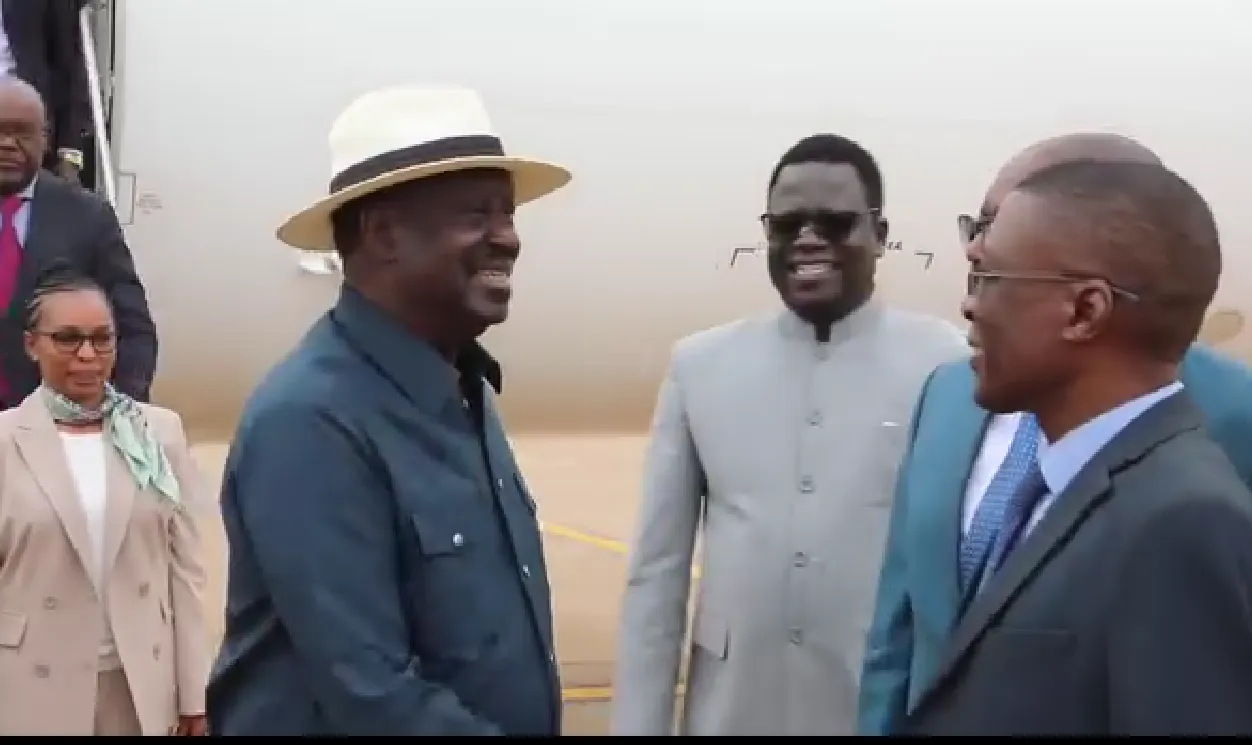
This sharp refutation aimed to quell any speculation that South Sudan was secretly engaged in behind-the-scenes negotiations with neighboring Uganda. The statement was unequivocal in its rejection of the rumors, categorically asserting that no such meeting between Odinga and Machar had ever been planned or authorized. According to officials, any major diplomatic engagement would have been handled through official diplomatic avenues, not through unverified and unofficial channels.
Why the Rumors Gained Traction
Despite the government's swift denial, the rumors continued to circulate, fueling further intrigue. Why did these rumors gain so much attention in the first place? Raila Odinga, after all, is no stranger to political negotiations and peace processes across the African continent. His longstanding reputation as a mediator and peacekeeper in conflict-ridden regions made the suggestion of his involvement in such high-level talks more plausible to the public.
Furthermore, the political landscape in East Africa is often characterized by complex relationships and shifting alliances, making any potential meeting between Odinga, Museveni, and Machar a topic of significant interest.
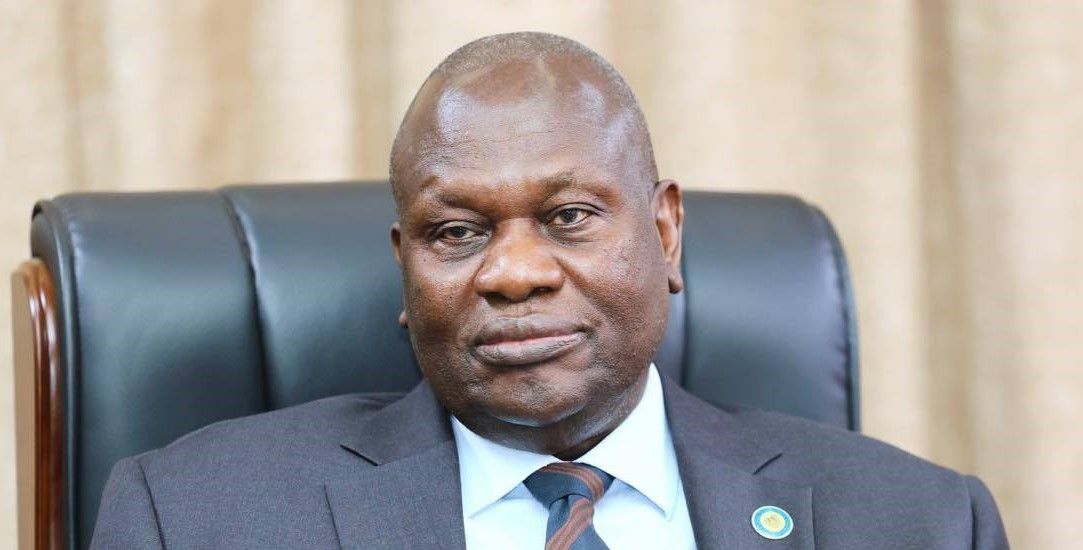
The context of East African politics cannot be overlooked. Relations between South Sudan and Uganda are often fraught with tension, largely due to the complex power dynamics within South Sudan itself. Vice President Machar, a key figure in the country’s leadership, has a history of conflict and negotiation with various regional powers. Any potential diplomatic move involving him would naturally raise questions, particularly in a context as delicate as South Sudan’s ongoing internal peace process. The speculation, therefore, seemed less outlandish when viewed against this political backdrop.
Diplomatic Tensions in the Region: What’s Really at Stake?
While the official denial from South Sudan should have put the rumors to rest, the larger issue remains the diplomatic landscape of East Africa. Even though no meeting between Odinga and Machar appears to have taken place, the question remains: why did this diplomatic twist become so widely discussed in the first place?
In recent years, South Sudan has faced significant political challenges, including internal strife and fragile peace agreements. The government’s ability to manage its foreign relations, especially with neighboring Uganda, has always been a delicate matter. A meeting involving figures like Odinga and Machar would undoubtedly have been viewed as a signal of shifting alliances and potential realignment in the region.
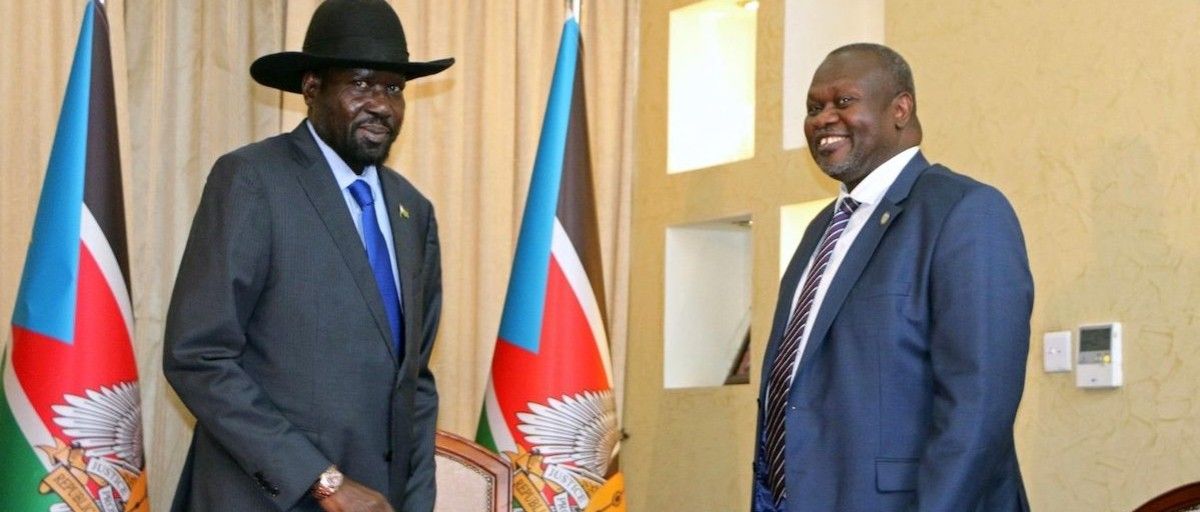
South Sudan’s leadership, therefore, found itself in a precarious position when the rumors gained traction. Any attempt to engage in private discussions with neighboring states, especially regarding sensitive political issues, can easily be misinterpreted as an attempt to influence internal power dynamics. As a result, the government was forced to not only deny the rumors but to clarify its position on how diplomacy is conducted. By issuing the statement, South Sudan sought to reassure the public that its foreign affairs were being managed transparently and with the full oversight of its official institutions.
Raila Odinga: A Key Player in East African Diplomacy
Raila Odinga, with his long history of involvement in East African politics, remains a central figure in any discussions of regional diplomacy. His role in mediating peace talks and fostering political dialogue across the continent is well established. Whether or not he was involved in any meetings with Machar and Museveni, Odinga’s name alone carries weight in such discussions.
However, the rumors surrounding his alleged involvement in the South Sudan-Uganda talks highlight the complexities of regional diplomacy. Odinga has consistently been a key player in the search for peace, stability, and cooperation in East Africa. But with such influence comes the potential for misinformation and speculation, particularly when his name is linked to delicate negotiations. For many, the idea of Odinga acting as a mediator in the region seemed plausible—so much so that it quickly became the subject of widespread discussion.
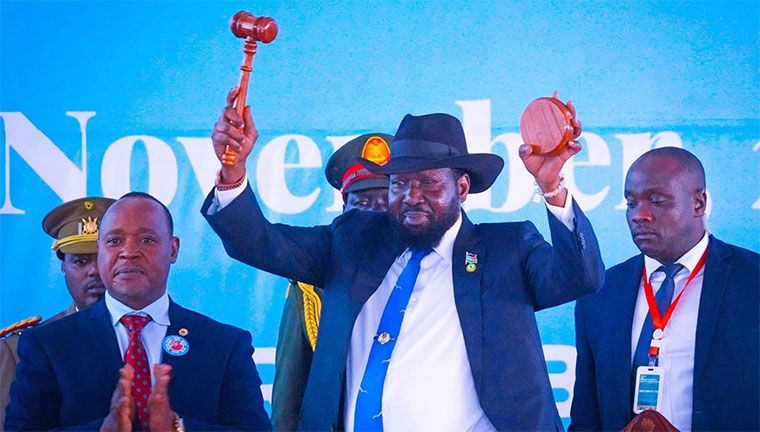
It’s important to recognize that diplomacy is rarely conducted in a straightforward manner, especially in a region as politically charged as East Africa. The rumors, whether fabricated or not, reveal the intricate web of alliances and rivalries that underpins political relationships in the area. The situation reflects the region’s ongoing challenges and the difficulty in managing diplomatic initiatives, even when those efforts are misinterpreted or misunderstood.
The Future of South Sudan's Diplomatic Relations
The incident surrounding the alleged meeting with Raila Odinga raises larger questions about South Sudan’s diplomatic future. The country is at a crucial juncture in its political development, with the fragile peace process and internal power struggles often intersecting with regional dynamics. South Sudan’s leadership will need to carefully navigate its relationships with neighboring states, balancing both domestic stability and external diplomatic pressures.
Given the complex relationship with Uganda and other regional powers, South Sudan’s future foreign policy will likely be characterized by efforts to balance cooperation with caution. Diplomatic tensions, like the one sparked






0 comments