
Your Read is on the Way
Every Story Matters
Every Story Matters
The Hydropower Boom in Africa: A Green Energy Revolution Africa is tapping into its immense hydropower potential, ushering in an era of renewable energy. With monumental projects like Ethiopia’s Grand Ethiopian Renaissance Dam (GERD) and the Inga Dams in the Democratic Republic of Congo, the continent is gearing up to address its energy demands sustainably while driving economic growth.
Northern Kenya is a region rich in resources, cultural diversity, and strategic trade potential, yet it remains underutilized in the national development agenda.

Can AI Help cure HIV AIDS in 2025
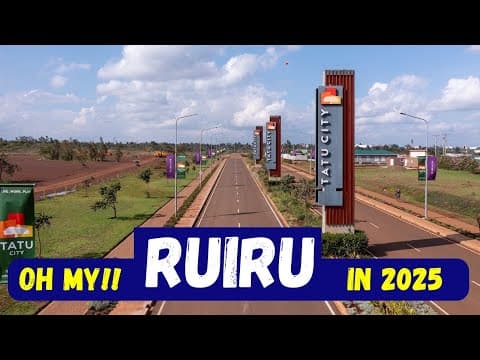
Why Ruiru is Almost Dominating Thika in 2025
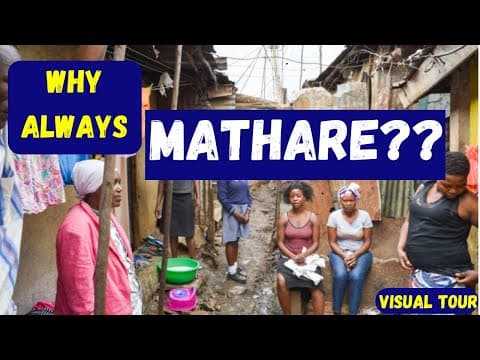
Mathare Exposed! Discover Mathare-Nairobi through an immersive ground and aerial Tour- HD

Bullet Bras Evolution || Where did Bullet Bras go to?
Somaliland is one of the most unique geopolitical entities in Africa. Located in the Horn of Africa, this self-declared republic has functioned independently from Somalia since 1991. It has its own government, military, currency, and institutions—yet it lacks international recognition. This paradox positions Somaliland in a complex diplomatic limbo: sovereign in practice, but stateless in the eyes of the world.
Somaliland was once the British Somaliland Protectorate, separate from Italian-controlled Somalia. It gained independence on June 26, 1960, and voluntarily united with the Trust Territory of Somalia (former Italian Somalia) five days later. However, the union soon soured due to political marginalization, economic disparities, and brutal repression under Siad Barre’s military regime.
By 1991, as Somalia descended into civil war following Barre’s ouster, Somaliland declared its independence, effectively cutting ties with the south. While Somalia continued into decades of chaos, Somaliland began constructing a relatively peaceful and functioning state.
Unlike Somalia, which has struggled with warlordism and Islamist insurgency, Somaliland has developed a stable political system. It combines democratic institutions with traditional clan-based leadership. It has held multiple elections, transferred power peacefully, and maintained internal security through its own police and military forces.
The capital, Hargeisa, is the political and economic hub of the country. Institutions such as the Central Bank of Somaliland, the House of Representatives, and various ministries operate independently, creating a sense of order and self-determination absent in many parts of Somalia.
Somaliland’s economy is largely informal and reliant on livestock exports, remittances from the diaspora, and increasingly, trade through the port of Berbera. Despite limited resources and no international aid, the region has made strides in education, telecommunications, and infrastructure.
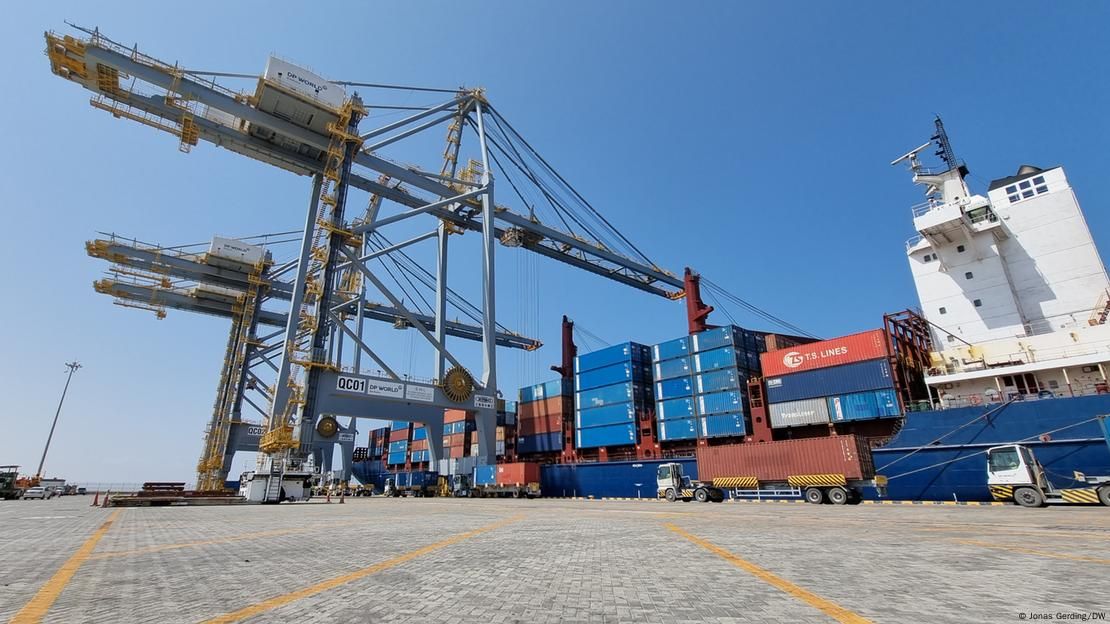
Berbera Port, now under development through a deal with DP World, is a key economic asset. It not only fuels Somaliland’s economy but also serves as a gateway to Ethiopia, giving the landlocked country a crucial route to the Red Sea.
Despite its stability, Somaliland remains unrecognized by any country. The African Union fears that acknowledging Somaliland could encourage other secessionist movements. Global powers, including the United States and China, have economic and military interests in Somalia’s unity.
However, Somaliland has steadily built informal relationships. It hosts diplomatic missions from several countries, has its own passports, and maintains bilateral engagements. Its case for recognition is bolstered by its peaceful governance, democratic credentials, and the argument that it was once an independent state before voluntary unification.
Strategically located along the Gulf of Aden, Somaliland’s importance cannot be overstated. It sits near major maritime routes and has increasingly become relevant in counter-terrorism and anti-piracy efforts. The region’s security apparatus, though modest, has been effective in keeping out al-Shabaab and other Islamist militias that plague Somalia.
Despite its successes, Somaliland faces significant challenges:
1.Lack of Recognition: It severely limits access to international loans, aid, and trade deals.
2.Economic Constraints: Without global support, development remains sluggish.
3.Internal Divisions: Clan-based tensions and disputes in the eastern regions (such as Sool and Sanaag) sometimes threaten national unity.
Still, many Somalilanders remain hopeful. The youth are increasingly connected to the world via technology, while diaspora communities continue to support development and advocacy efforts abroad.
Somaliland is a rare African story—a territory that, despite being in one of the continent’s most unstable regions, has built a functioning, peaceful state from the ashes of war. It defies international norms and challenges how we define a country. While the world may hesitate to recognize it, Somaliland’s people live their daily lives as if independence is already won.






0 comments