
Your Read is on the Way
Every Story Matters
Every Story Matters
The Hydropower Boom in Africa: A Green Energy Revolution Africa is tapping into its immense hydropower potential, ushering in an era of renewable energy. With monumental projects like Ethiopia’s Grand Ethiopian Renaissance Dam (GERD) and the Inga Dams in the Democratic Republic of Congo, the continent is gearing up to address its energy demands sustainably while driving economic growth.
Northern Kenya is a region rich in resources, cultural diversity, and strategic trade potential, yet it remains underutilized in the national development agenda.

Can AI Help cure HIV AIDS in 2025

Why Ruiru is Almost Dominating Thika in 2025

Mathare Exposed! Discover Mathare-Nairobi through an immersive ground and aerial Tour- HD

Bullet Bras Evolution || Where did Bullet Bras go to?
It started with a whisper in the wind—an unusual blip on military radar, barely noticeable. But within seconds, the quiet night at a US naval base in the Indian Ocean turned into chaos. A fleet of drones, sleek and silent, moved with chilling precision. Then came the explosions. One after another, they ripped through key installations, sending flames into the sky. Soldiers scrambled for cover, alarms screamed, and before anyone could react, the attack was over. The base, once a fortress, now lay in ruins.
What followed was even more unsettling. No one took credit for the strike. There were no triumphant videos, no rebel factions celebrating their victory. Just silence. In a world where every attack comes with a declaration, this was different. It wasn’t just an act of war—it was a message. The problem? No one knew who sent it.
Back in Washington, the government’s war room was a pressure cooker of conflicting opinions. Some blamed Iran, pointing to its history of using proxies for covert attacks. Others warned that this had the hallmarks of Russian cyberwarfare, a diversion to trigger global chaos. Then there were the whispers of something far more sinister and unpredictable—a rogue faction, operating outside the bounds of any government, using war as its playground.
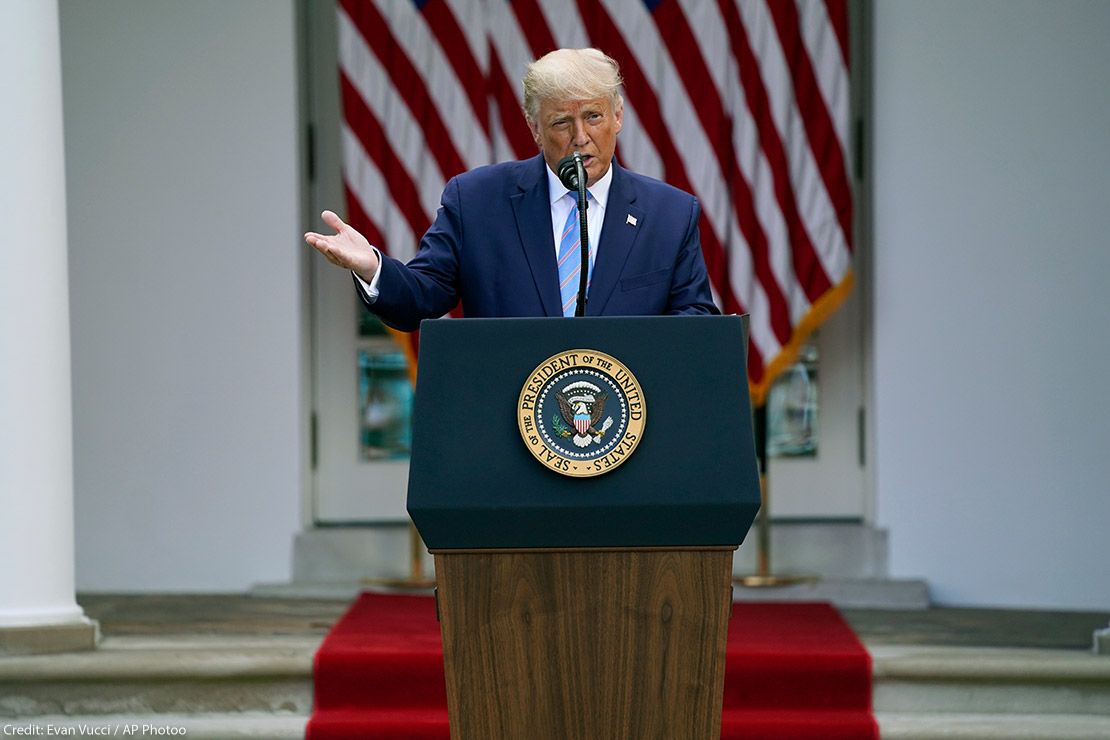
President Trump didn’t wait for answers. Standing at a podium, flanked by military generals, he vowed swift and merciless retaliation. “This was an act of war,” he declared. “And the world will soon see what happens when you provoke the United States of America.”
But behind the scenes, there was a problem. No one knew who to strike back against. Intelligence agencies were running in circles. The drones used in the attack weren’t from Iran, Russia, or China. Some of their components were American-made. That revelation sent chills down the spines of even the most hardened officials. Had a rogue US faction staged this attack? Was this an elaborate false flag? Or had someone hacked US technology to set off a global war?
As world leaders scrambled, another name entered the conversation—a mercenary group with no known allegiance, operating in the shadows of war-torn regions. They weren’t soldiers of a country; they were fighters for hire, ghosts moving between conflicts. And if they were involved, one terrifying question remained: Who paid them?
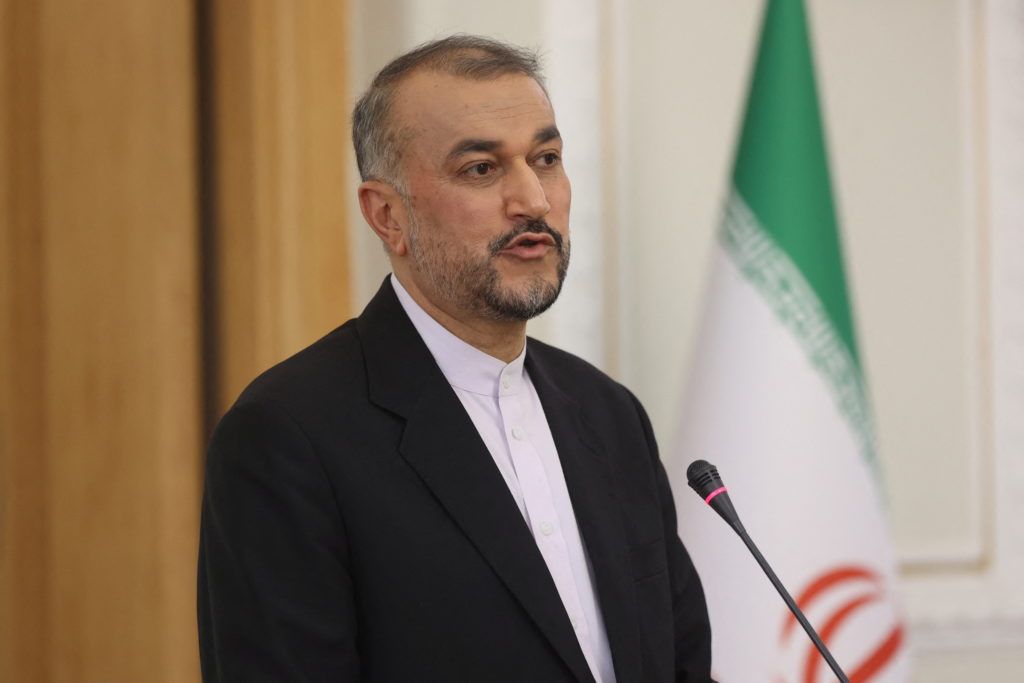
Meanwhile, Iran and Russia weren’t sitting idle. Tehran accused the US of fabricating the attack as an excuse to strike. Moscow played the cautious diplomat but quietly reinforced its naval presence in the Gulf. China, always watching, moved its warships closer to US territories, not saying much—but saying everything.
As tensions reached a boiling point, the UN made a last-ditch effort to stop the world from spiraling into war. Secretary-General Antonio Guterres pleaded for calm, warning that one wrong move could send global powers into direct conflict. But diplomacy had a problem—it moved slowly. And in the shadows, whoever orchestrated this attack wasn’t done yet.
The clock was ticking. The world was standing on the edge of something far bigger than a single attack. If the truth didn’t come out soon, war wouldn’t just be inevitable—it would be unstoppable.






0 comments