
Your Read is on the Way
Every Story Matters
Every Story Matters
The Hydropower Boom in Africa: A Green Energy Revolution Africa is tapping into its immense hydropower potential, ushering in an era of renewable energy. With monumental projects like Ethiopia’s Grand Ethiopian Renaissance Dam (GERD) and the Inga Dams in the Democratic Republic of Congo, the continent is gearing up to address its energy demands sustainably while driving economic growth.
Northern Kenya is a region rich in resources, cultural diversity, and strategic trade potential, yet it remains underutilized in the national development agenda.

Can AI Help cure HIV AIDS in 2025

Why Ruiru is Almost Dominating Thika in 2025

Mathare Exposed! Discover Mathare-Nairobi through an immersive ground and aerial Tour- HD

Bullet Bras Evolution || Where did Bullet Bras go to?
The streets of Gaza, once filled with the hopeful whispers of a fragile ceasefire, turned into a battlefield once more as an airstrike obliterated a convoy belonging to the Al-Khair Foundation. The attack left civilians, aid workers, and local journalists dead in what was initially assumed to be a tragic miscalculation. But as the dust settled, the narrative surrounding the strike became increasingly tangled.
Eyewitnesses described a horrifying scene. A car carrying humanitarian workers and reporters was suddenly engulfed in flames, sending bodies and debris flying across the street. Medical teams rushed to the site, but for many, it was too late. Reports confirmed that three of the victims were journalists, heightening fears over the safety of the press in war zones.
However, what seemed to be a case of mistaken targeting soon became the subject of international controversy. Israeli defense officials released a conflicting statement, claiming the strike was a precision attack against a group transporting high-tech drone equipment that posed an imminent threat to their forces. The military further alleged that some individuals within the convoy were not merely civilians but were linked to militant groups, using the humanitarian mission as a smokescreen.
The accusations were met with fierce denials from the Hamas-run Gaza government, which insisted that those killed were non-combatants engaged in relief efforts near a designated safe zone. The truth, as is often the case in war, remains obscured by the fog of conflict.
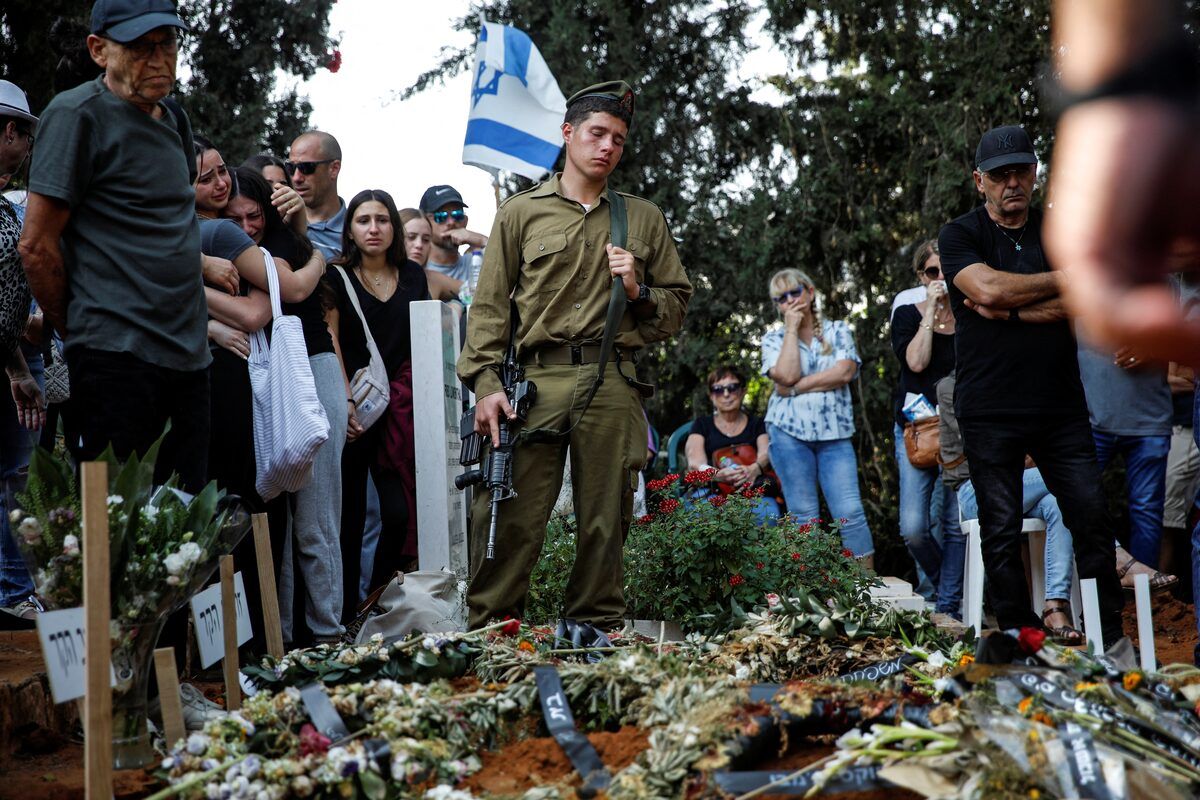
The attack on the aid convoy sent shockwaves through Gaza and beyond, raising concerns over the stability of the ceasefire agreement established on January 19. Since the truce took effect, at least 150 Palestinians have reportedly been killed in sporadic strikes, fueling accusations that Israel has been slowly unraveling the agreement under the guise of security operations.
Hamas officials wasted no time in condemning what they described as blatant ceasefire violations. "Israel is attempting to dismantle the truce one attack at a time while pretending to honor its terms," a Hamas spokesperson declared. "If this continues, it will be impossible to maintain any semblance of peace."
The Israeli military, however, defended its actions, asserting that its forces were targeting militants who continued to operate under civilian cover. They released a list of names, claiming that several of the deceased were members of Hamas and Islamic Jihad.
The growing casualties have put pressure on international mediators, who are struggling to hold the ceasefire together. Egypt, Qatar, and the United Nations have all attempted to keep both sides at the negotiation table, but patience is running thin as hostilities escalate.
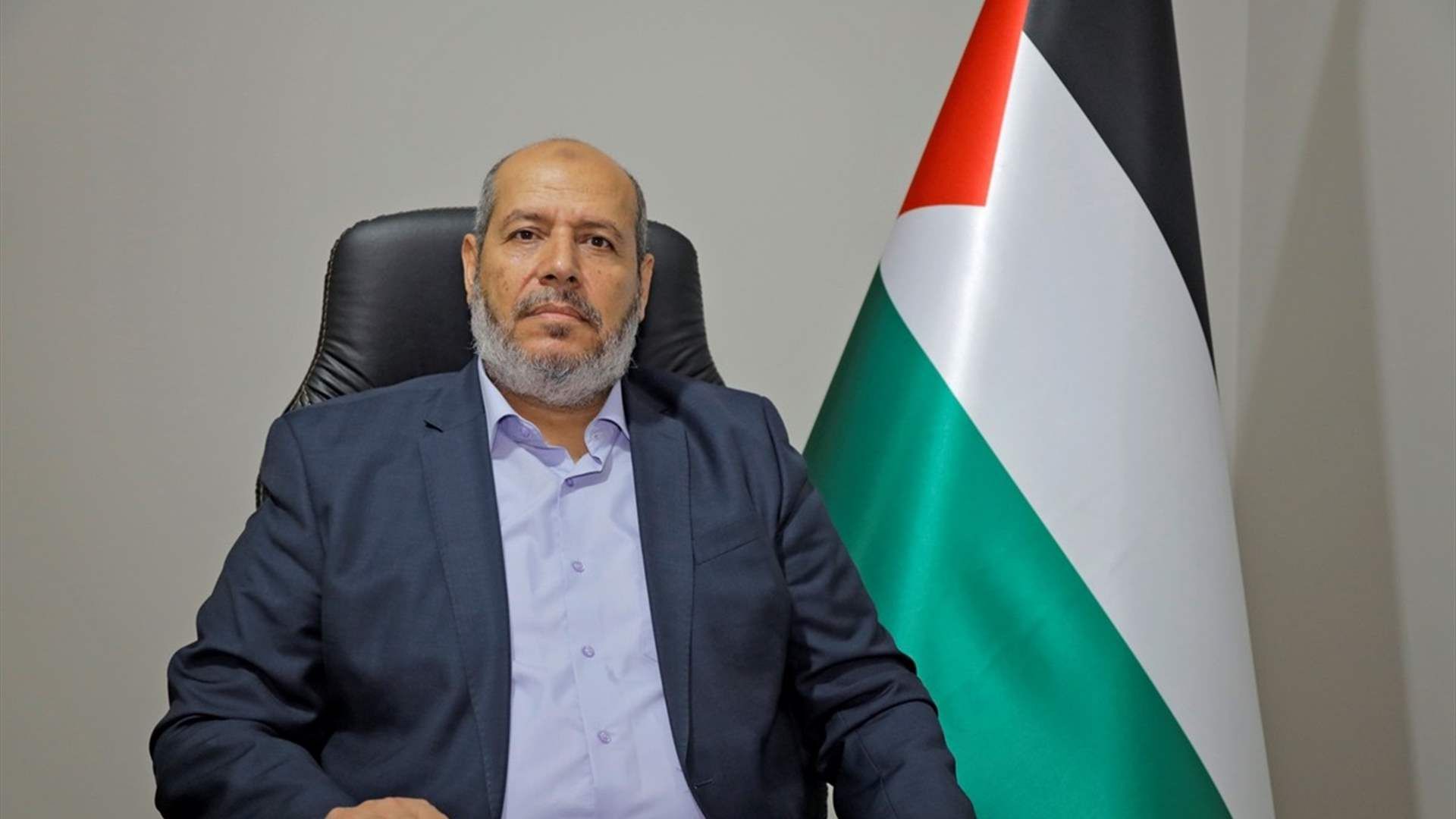
While violence simmers on the ground, diplomatic efforts are intensifying behind closed doors. On the same day as the deadly airstrike, Hamas’ exiled leader, Khalil Al-Hayya, arrived in Cairo for urgent talks aimed at salvaging the truce.
At the heart of the negotiations lies a fundamental disagreement: Hamas is pushing for a transition into a second phase of the ceasefire that would include negotiations for a permanent end to the war. Israel, however, refuses to discuss a long-term settlement without preconditions. Prime Minister Benjamin Netanyahu’s government remains firm in its stance, arguing that Hamas cannot be trusted to uphold any deal that does not guarantee Israel’s security.
The diplomatic deadlock has fueled speculation that Israel may be stalling in order to extract further concessions while maintaining military pressure on Gaza. Hamas, on the other hand, has warned that if Israel continues to delay the second phase of negotiations, hostilities could resume with full force.
As talks teeter on the brink of collapse, a new development has emerged: the fate of Edan Alexander, a 21-year-old Israeli-American soldier captured by Hamas in October. In a dramatic move, Hamas offered to release Alexander if Israel commits to advancing ceasefire negotiations.

The proposal was met with immediate skepticism from Israeli officials, who dismissed it as a psychological tactic rather than a genuine gesture of goodwill. "Hamas is using hostages as leverage to manipulate the process," an Israeli spokesperson said. "We refuse to play into their hands."
Despite Israel’s rejection of the offer, the issue of hostages remains a critical element in the negotiations. Hamas has made it clear that it will only continue releasing captives if Israel agrees to move forward with a long-term truce. Meanwhile, Israeli leaders insist that any further prisoner exchanges must be on their terms.
The back-and-forth over Alexander’s fate underscores the complexity of the conflict, where human lives have become pawns in a high-stakes geopolitical chess game.
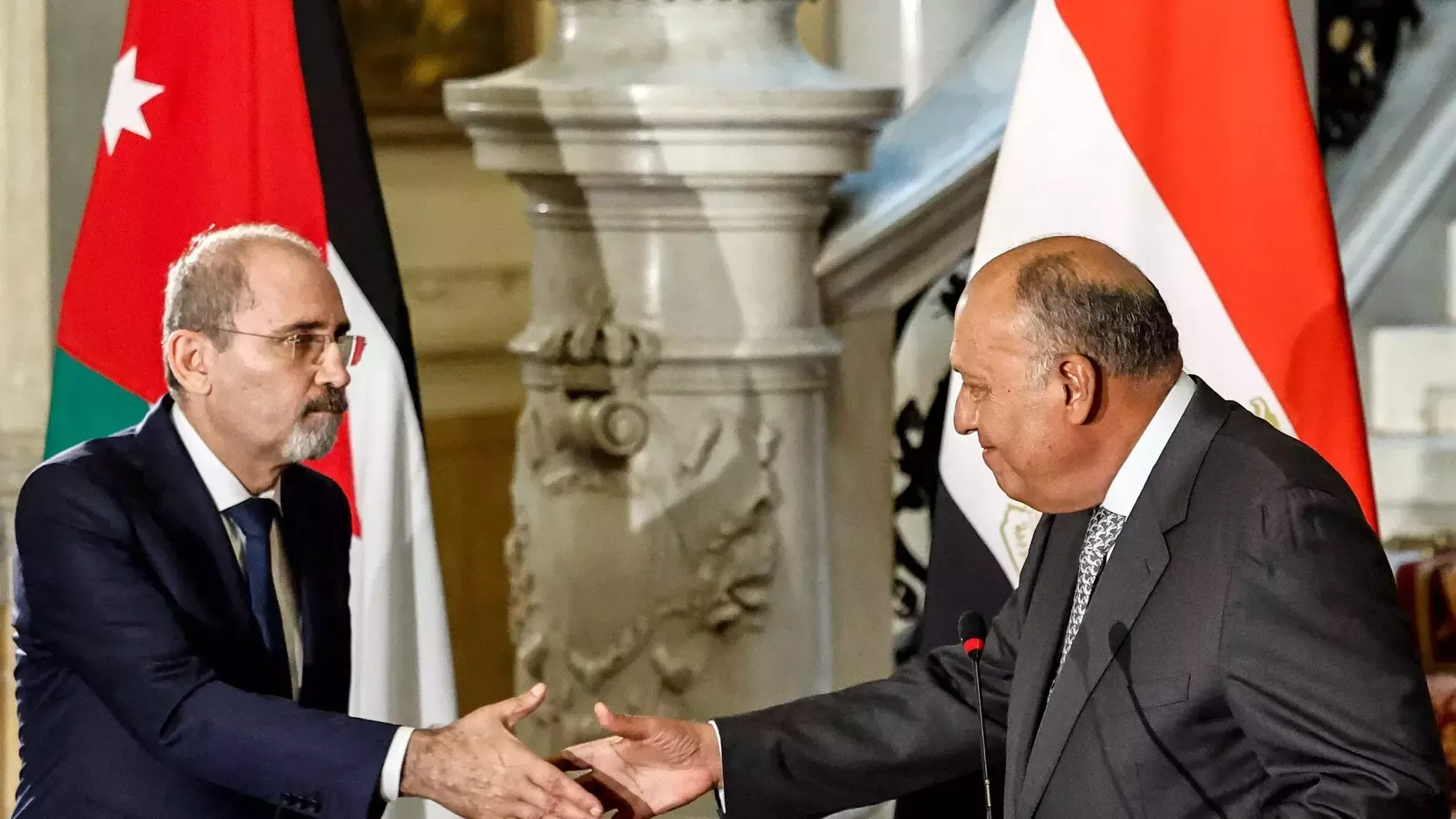
With the ceasefire at its weakest point since its inception, Gaza’s future remains uncertain. The latest escalation highlights the fragile nature of peace in a region where war never truly stops—it only pauses momentarily before igniting again.
International mediators continue to push for a resolution, but the reality on the ground tells a different story. For the civilians trapped in Gaza, each day is a gamble between life and death, as ceasefire agreements and diplomatic talks do little to shield them from the relentless cycle of violence.
As the world watches, the question remains: Is there still hope for a lasting peace, or is Gaza doomed to endure yet another chapter of war?






0 comments