
Your Read is on the Way
Every Story Matters
Every Story Matters
The Hydropower Boom in Africa: A Green Energy Revolution Africa is tapping into its immense hydropower potential, ushering in an era of renewable energy. With monumental projects like Ethiopia’s Grand Ethiopian Renaissance Dam (GERD) and the Inga Dams in the Democratic Republic of Congo, the continent is gearing up to address its energy demands sustainably while driving economic growth.
Northern Kenya is a region rich in resources, cultural diversity, and strategic trade potential, yet it remains underutilized in the national development agenda.

Can AI Help cure HIV AIDS in 2025

Why Ruiru is Almost Dominating Thika in 2025

Mathare Exposed! Discover Mathare-Nairobi through an immersive ground and aerial Tour- HD

Bullet Bras Evolution || Where did Bullet Bras go to?
In the shadowy world of African power transitions, exile is rarely just a relocation—it’s often strategy cloaked as surrender. That possibility hangs over the sudden relocation of former Gabonese President Ali Bongo Ondimba and his family to Angola, following a military coup that toppled one of the continent’s longest-standing political dynasties.
The story began in late August 2023, when military officers seized control hours after Bongo was controversially declared re-elected. For Gabonese citizens, long disillusioned with a regime that had ruled for 56 years, it was the collapse of a dynasty—one rooted in the reign of his father, Omar Bongo, who had governed since 1967. For Ali Bongo, it marked a swift and stunning descent from presidential palace to house arrest in Libreville.
But now, almost a year later, the Bongo name resurfaces not in a Gabonese courtroom, but on the tarmac of Angola’s capital, Luanda.
Officially, the Bongo family’s relocation to Angola was a humanitarian gesture, facilitated by the African Union and brokered by Angolan President João Lourenço. After months of detention, Sylvia Bongo, Ali’s wife, and their son, Noureddin Bongo Valentin—who both faced charges of corruption and money laundering—were released and allowed to reunite with Ali.
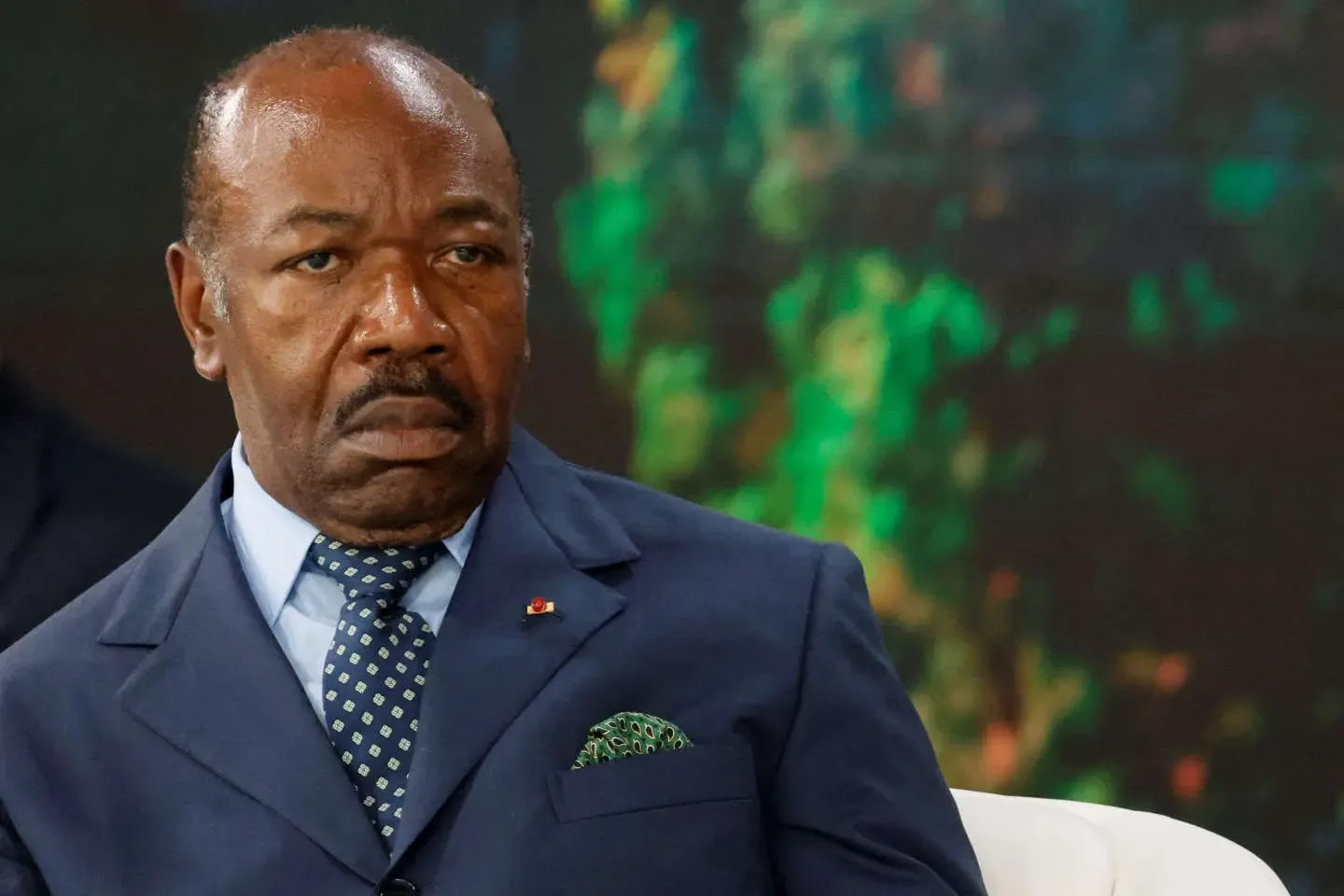
Angolan presidential photos show the family disembarking, unsmiling but free. The visuals suggest closure—but do they hint at something more?
This relocation raises several speculative yet critical questions: Was this truly exile? Or was it a carefully orchestrated move to preserve the remnants of a fallen dynasty and safeguard regional influence?
After all, Ali Bongo's health—compromised since his 2018 stroke—was often cited as justification for his release. But those close to the matter suggest the real motive was geopolitical calculus. Angola, a fellow oil-rich state and key player in Central African affairs, provides a soft landing for fallen elites—far from the scrutiny of home but close enough to remain relevant in the regional chessboard.
General Brice Oligui Nguema, the coup leader who now heads Gabon, may have preferred a quiet, offshore resolution over a public trial that could drag the new regime into deeper controversy. Exiling the Bongo family clears the slate without spilling more political capital. And for Angola, hosting the family could yield influence over Gabon's transitional roadmap—an informal alliance forged not in treaties, but in hospitality and discretion.

Observers also note the symbolism: The Bongo family was not smuggled out, but flown with diplomatic visibility. Their exit, coordinated and photographed, suggests a message to allies and rivals alike—that the dynasty, though wounded, remains a player in exile.
For many Gabonese citizens, however, justice feels incomplete. While the removal of the Bongo regime was widely welcomed, the quiet release and resettlement of its key figures overseas is sparking debates. Was the coup about reform—or just replacing power with a new face?
Regional analysts caution against underestimating the Bongos. Dynasties don’t simply vanish—they adapt, rebrand, and sometimes return. Whether from Angola or elsewhere, the Bongo family may yet find new avenues to influence Gabon’s evolving future, whether through loyalists, financial leverage, or quiet diplomacy.
For now, Luanda offers a safe haven. But the question lingers in Central African capitals: is this the epilogue of the Bongo era—or the first chapter in its reinvention?
Ali Bongo’s exile, Gabon political transition, Angola diplomatic role, African dynasties in exile, post-coup strategy






0 comments