
Your Read is on the Way
Every Story Matters
Every Story Matters
The Hydropower Boom in Africa: A Green Energy Revolution Africa is tapping into its immense hydropower potential, ushering in an era of renewable energy. With monumental projects like Ethiopia’s Grand Ethiopian Renaissance Dam (GERD) and the Inga Dams in the Democratic Republic of Congo, the continent is gearing up to address its energy demands sustainably while driving economic growth.
Northern Kenya is a region rich in resources, cultural diversity, and strategic trade potential, yet it remains underutilized in the national development agenda.

Can AI Help cure HIV AIDS in 2025

Why Ruiru is Almost Dominating Thika in 2025

Mathare Exposed! Discover Mathare-Nairobi through an immersive ground and aerial Tour- HD

Bullet Bras Evolution || Where did Bullet Bras go to?
For years, Haiti has struggled with political instability, economic hardship, and the ever-growing dominance of criminal gangs. Entire communities have been left vulnerable to violence, kidnappings, and lawlessness as heavily armed groups assert control over neighborhoods, challenging any efforts to restore order. In response to this escalating crisis, the international community has stepped in, deploying peacekeeping forces to support Haiti’s National Police in their battle against rampant crime.
Among these brave forces, Kenya has played a crucial role, leading a multinational security effort aimed at stabilizing the nation. Kenyan officers have been at the forefront, navigating the treacherous streets of Port-au-Prince, working tirelessly to curb the influence of gangs, and bringing hope to a country in distress. However, the mission is not without its dangers, as evidenced by the recent injury of one of their own during a high-risk operation.
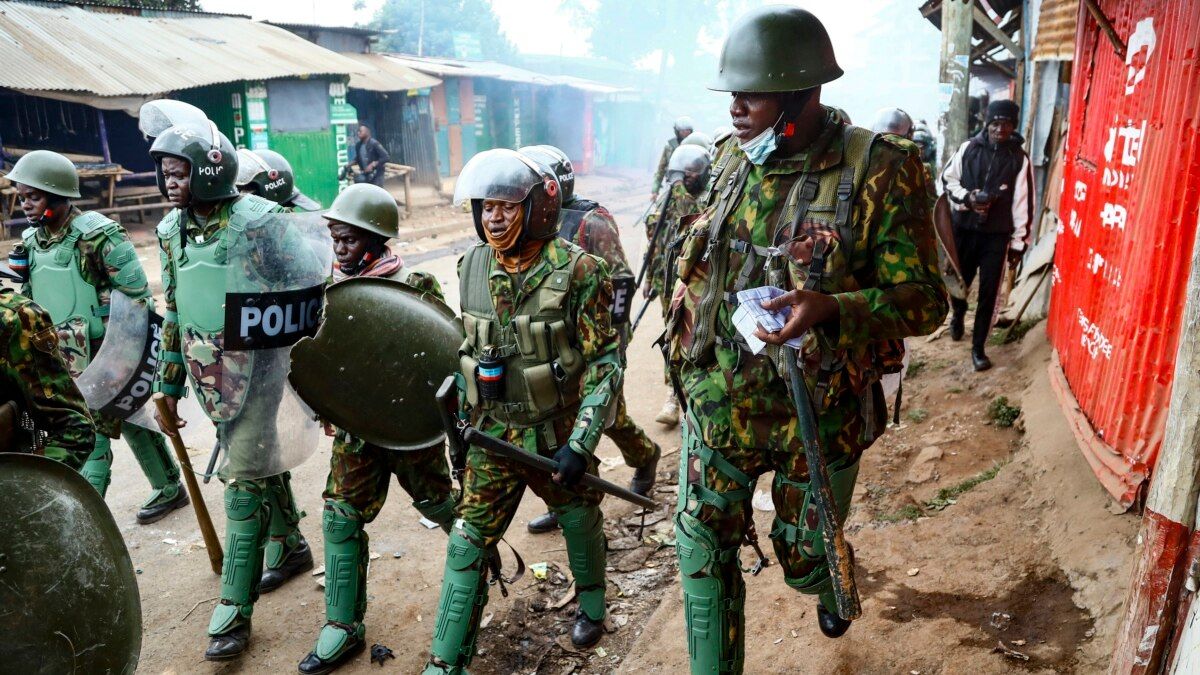
On a tense afternoon in the Kenscoff region of Port-au-Prince, a Kenyan police officer found himself in the line of fire during a strategic security operation. The operation was part of a broader effort to dismantle organized criminal networks, reclaim key territories, and restore governance in areas dominated by gangs. However, as Kenyan officers, alongside other peacekeeping forces, moved in, they were met with fierce resistance.
Armed groups, notorious for their ruthless tactics, engaged in an intense firefight, leading to injuries on the peacekeeping side. The Kenyan officer sustained wounds during the clash, a grim reminder of the hostile environment in which these brave men and women operate. The incident underscored the volatility of Haiti’s security landscape, where even the best-planned missions can quickly spiral into chaos.
Following the injury, emergency response teams immediately sprang into action. The officer was quickly evacuated from the conflict zone and transported to ASPEN Level 2 Hospital, a medical facility equipped to handle trauma cases involving international peacekeepers.
The medical team worked swiftly to stabilize his condition, ensuring he received the necessary care to prevent further complications. While the specifics of the officer’s injuries have not been disclosed, reports confirm that he is now in stable condition and on the path to recovery. His colleagues and superiors have expressed their solidarity, sending messages of encouragement and praising his bravery. The incident has also drawn attention to the importance of robust medical and evacuation protocols for peacekeeping forces operating in such perilous environments.
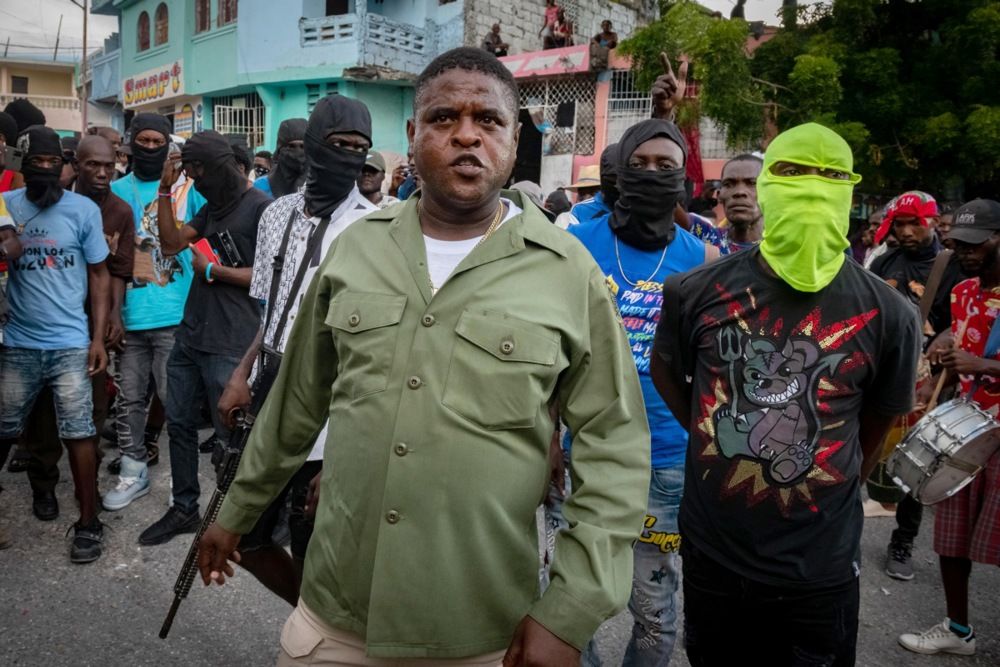
The attack on the Kenyan officer is just one example of the broader security crisis plaguing Haiti. Over the past few years, criminal gangs have expanded their reach, controlling major transportation routes, extorting businesses, and terrorizing local populations. The Haitian National Police, though resilient, has struggled to contain the violence due to limited resources, outdated equipment, and a lack of personnel. With the government unable to fully enforce law and order, gangs have filled the power vacuum, turning parts of the country into lawless zones.
The international peacekeeping mission, including Kenya’s contribution, is crucial in addressing this growing threat. However, as this recent injury demonstrates, the battle against gang dominance is proving to be an uphill task, requiring not just military intervention but also long-term strategies for economic and social stability.
Kenya’s deployment of police officers to Haiti represents more than just a military operation; it is a testament to the country’s commitment to global peacekeeping and international cooperation. The Kenyan government has been vocal about its willingness to support Haiti in its time of need, sending some of its most skilled officers to assist in stabilizing the troubled nation. These officers have brought with them experience from counterterrorism operations in East Africa, urban crime-fighting expertise, and a strong dedication to humanitarian efforts. The injury of one of their own has not shaken their resolve; if anything, it has reinforced their determination to continue the mission and ensure that their sacrifice is not in vain.
The latest attack has reignited conversations on the risks faced by international peacekeepers and the need for enhanced security measures. Experts have pointed out that peacekeeping forces often operate in hostile environments with limited reinforcements, leaving them vulnerable to sudden ambushes. There is now a growing demand for improved protective gear, better intelligence-sharing mechanisms, and stronger logistical support to ensure that these missions do not turn into fatal endeavors.
Additionally, discussions on how to strengthen Haiti’s own security forces have gained traction, as a long-term solution will require empowering the local police to take back control of their country. The international community has also been urged to offer more financial and operational support to ensure the success of peacekeeping efforts.
Despite the challenges, the bravery displayed by the Kenyan contingent in Haiti is a powerful reminder of the importance of global solidarity. Their presence sends a message that the world has not abandoned Haiti, that there are still nations willing to stand in support of those who cannot defend themselves. The wounded officer, now recovering, serves as a symbol of this unwavering commitment.
As the mission continues, the road ahead remains uncertain, but one thing is clear—the fight for stability in Haiti is far from over. With continued cooperation, resilience, and international backing, there is hope that one day, the nation will rise from its current crisis and reclaim its path toward peace and prosperity.






0 comments