
Your Read is on the Way
Every Story Matters
Every Story Matters
The Hydropower Boom in Africa: A Green Energy Revolution Africa is tapping into its immense hydropower potential, ushering in an era of renewable energy. With monumental projects like Ethiopia’s Grand Ethiopian Renaissance Dam (GERD) and the Inga Dams in the Democratic Republic of Congo, the continent is gearing up to address its energy demands sustainably while driving economic growth.
Northern Kenya is a region rich in resources, cultural diversity, and strategic trade potential, yet it remains underutilized in the national development agenda.

Can AI Help cure HIV AIDS in 2025

Why Ruiru is Almost Dominating Thika in 2025

Mathare Exposed! Discover Mathare-Nairobi through an immersive ground and aerial Tour- HD

Bullet Bras Evolution || Where did Bullet Bras go to?
In a bustling technology hub in Nairobi, a group of young innovators stands before a panel of investors, pitching their latest artificial intelligence-powered farming solution. Among them is a 23-year-old engineer who, despite earning a degree in electrical engineering, found himself jobless after university. Instead of waiting for a formal job opportunity, he taught himself coding and ventured into agritech, designing an innovative system that helps farmers maximize crop yields using machine learning algorithms. His story is one of resilience, determination, and adaptability. However, it is not the norm.
Across the continent, millions of young people face a different reality. Even after acquiring higher education, they remain unemployed or underemployed, struggling to break into job markets that offer limited opportunities. The inability of traditional employment sectors to absorb the growing youth population poses a major economic challenge, forcing young people to seek alternative means of survival. Many turn to informal work, while others attempt to start businesses with little support or guidance. Without meaningful intervention, this cycle of untapped potential will persist, preventing Africa from fully utilizing its most valuable resource—its youth.

Despite constituting nearly seventy percent of the continent’s population, young Africans continue to be excluded from crucial policy discussions that directly impact their futures. Government ministries and advisory bodies that are meant to advocate for youth empowerment are often led by older individuals who may not fully comprehend the evolving challenges of the digital age. This exclusion leaves young people feeling disconnected from governance and decision-making processes, fueling disillusionment and disengagement from political and economic activities.
For Africa to move forward, it must embrace a governance structure that actively includes the voices of the youth in policy formation. This means appointing young leaders to key government positions, consulting youth groups when developing policies, and creating mentorship programs that bridge the gap between experienced policymakers and the younger generation. When young people are included in leadership and governance, they bring fresh perspectives, innovative solutions, and a better understanding of modern challenges such as digital transformation, climate change, and evolving job markets. By tapping into this reservoir of youthful energy and ideas, African nations can create policies that are more aligned with the realities of the modern world and the aspirations of the next generation.
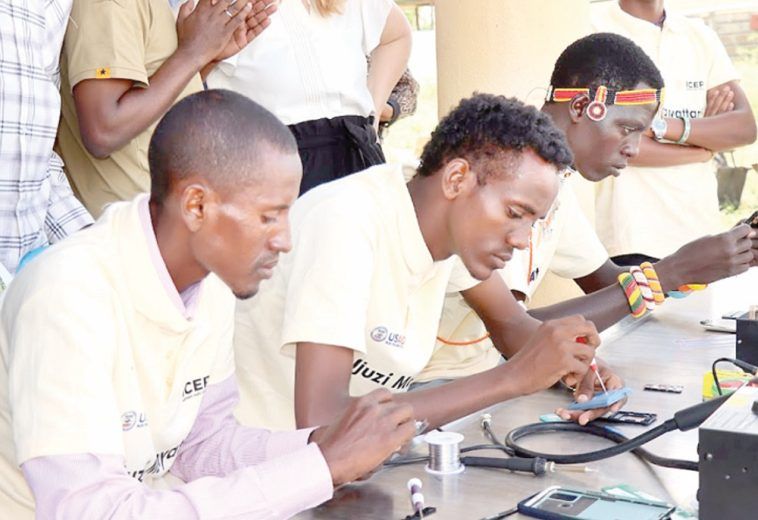
For decades, African education systems have largely emphasized theoretical knowledge over practical, hands-on skills. As a result, graduates often leave universities armed with degrees but lack the technical and problem-solving abilities required by today’s employers. This growing mismatch between education and job market demands has contributed to rising youth unemployment across the continent. While fields such as artificial intelligence, renewable energy, and software development are experiencing a surge in demand globally, many African universities still follow outdated curricula that do not equip students with the necessary digital and technical expertise.
To address this gap, educational institutions must undergo significant reform to integrate modern learning approaches that focus on equipping students with practical, job-ready skills. A curriculum that blends traditional education with real-world problem-solving will prepare graduates to be not just job seekers but job creators. The introduction of programs that encourage innovation, entrepreneurship, and technology-based solutions will help position Africa’s youth as key players in the global economy. Additionally, universities must forge stronger partnerships with industries to ensure that students gain exposure to real-world applications of their studies through internships, apprenticeships, and research collaborations.
Technical and Vocational Education and Training (TVET) institutions provide a crucial pathway for skill development, offering practical training in trades such as carpentry, plumbing, electrical work, and computer programming. However, these institutions are often underfunded, undervalued, and overlooked in favor of traditional university education. In many African countries, vocational training is still viewed as a last resort for students who do not meet university admission criteria, reinforcing a negative perception that limits enrollment in these vital institutions.
A strong collaboration between TVET centers and industries is necessary to ensure that young people acquire relevant and in-demand skills that align with job market requirements. By improving funding, infrastructure, and curriculum development, vocational training programs can become a viable and attractive option for young Africans seeking to build sustainable careers. More importantly, governments and private sector players must work together to elevate the status of vocational training, making it a first-choice pathway rather than a fallback option. A well-trained workforce with technical skills will contribute to economic growth, increase employment rates, and reduce dependency on external expertise in various industries.
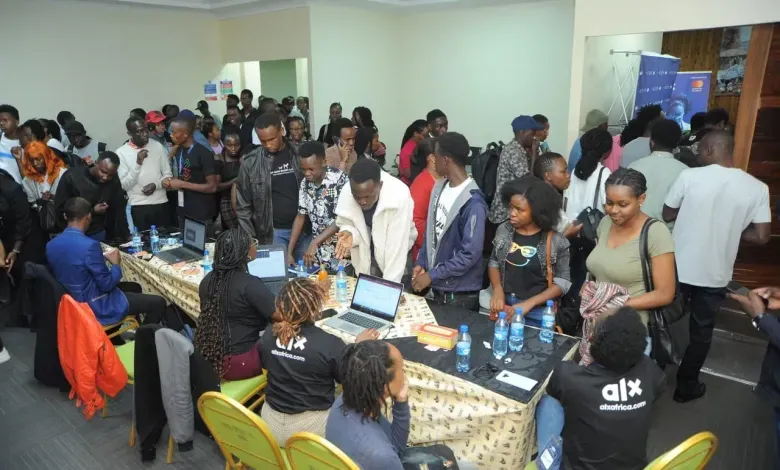
With the rise of digital transformation, Africa’s youth are proving that they do not need to wait for formal employment to contribute to the economy. Across the continent, young entrepreneurs are launching startups in e-commerce, fintech, agritech, and creative industries, revolutionizing traditional business models. However, despite their ingenuity and ambition, many of these startups struggle to scale due to a lack of access to funding, mentorship, and business development resources. Financial institutions remain hesitant to invest in youth-led businesses, citing high risk and limited credit history as barriers.
For Africa to become a hub of innovation, governments and private investors must actively support young entrepreneurs by creating youth-focused investment funds, startup incubation programs, and technology-driven business support services. Access to digital infrastructure, such as high-speed internet and cloud computing services, should be expanded to rural areas to ensure that young innovators across the continent have equal opportunities to participate in the digital economy. If given the right tools, resources, and support, Africa’s youth will drive the continent’s transformation into a global leader in technology and entrepreneurship.
To unlock the full potential of its young population, Africa must prioritize human capital investment in ways that are both innovative and sustainable. Governments should focus on building a strong digital ecosystem by expanding access to quality education, modernizing technical training institutions, and providing financial support for youth-led initiatives. Policymakers must develop strategies that integrate young people into governance structures, ensuring their voices are heard and valued in national and regional decision-making processes.
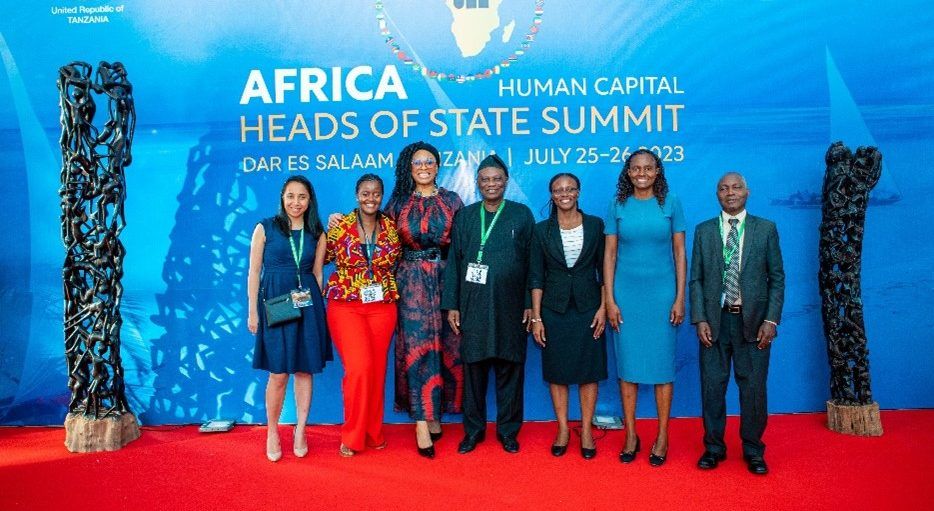
At the same time, the private sector must step up to play a more active role in bridging the gap between education and employment by offering mentorship programs, skills development workshops, and industry-linked internships. Collaboration between governments, businesses, and educational institutions will be essential in fostering an environment where young people can thrive, innovate, and contribute meaningfully to economic growth.
Africa’s future prosperity depends on how well it leverages its youthful population. With the right investments in education, technology, and entrepreneurship, young people can become the driving force behind economic transformation. However, if they continue to be sidelined, the continent risks facing prolonged economic stagnation and rising social unrest. The choice is clear: embrace the power of the youth or risk losing out on an unprecedented opportunity for growth and innovation. By creating a more inclusive, skill-driven, and entrepreneurial ecosystem, Africa can position itself as a global leader in the 21st century.






0 comments