
Your Read is on the Way
Every Story Matters
Every Story Matters
The Hydropower Boom in Africa: A Green Energy Revolution Africa is tapping into its immense hydropower potential, ushering in an era of renewable energy. With monumental projects like Ethiopia’s Grand Ethiopian Renaissance Dam (GERD) and the Inga Dams in the Democratic Republic of Congo, the continent is gearing up to address its energy demands sustainably while driving economic growth.
Northern Kenya is a region rich in resources, cultural diversity, and strategic trade potential, yet it remains underutilized in the national development agenda.

Can AI Help cure HIV AIDS in 2025
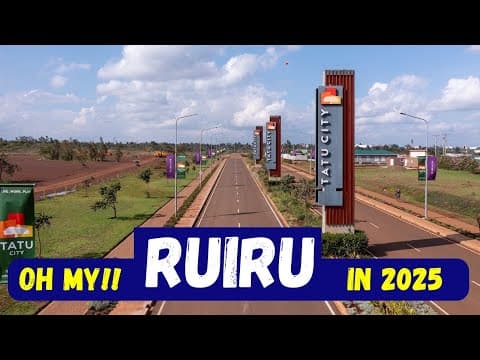
Why Ruiru is Almost Dominating Thika in 2025

Mathare Exposed! Discover Mathare-Nairobi through an immersive ground and aerial Tour- HD

Bullet Bras Evolution || Where did Bullet Bras go to?
The Trump-Traoré Dilemma: A Strategic Recalibration in U.S.-Africa Relations
Rebuilding Power: Traoré’s Domestic Agenda
Since taking power in September 2022, Captain Ibrahim Traoré has steered Burkina Faso toward a more sovereign, state-centric economic model. Central to his administration’s agenda is the nationalization of strategic industries, particularly in the mining sector.
One notable action involved the government's reclamation of control over the country’s largest gold mine, previously operated by a British firm. This move underscores a broader intent to limit foreign corporate influence and increase national revenue generation from domestic resources.
The Traoré government has also reduced the country’s reliance on France—its former colonial ruler—by closing French military bases and cutting certain defense and economic ties. Simultaneously, Burkina Faso has pursued diplomatic and economic relationships with countries outside the traditional Western sphere, including Russia, Turkey, and China. These alliances are part of a wider trend in several African nations seeking multipolar partnerships amid perceived Western disengagement.
Trump’s Return: A Narrower Focus on Africa
President Donald Trump’s second term brings with it a continuation of the “America First” philosophy, which deprioritizes multilateral development cooperation in favor of bilateral engagements that serve direct U.S. interests. During his first term, Trump scaled back foreign aid to Africa and placed a heavier emphasis on trade, security, and migration control.
This approach has historically left gaps in Washington’s engagement across the continent, pushing many African leaders to explore alternative partnerships. Trump’s policies have often favored one-off deals or security cooperation over long-term development programs, with a preference for transactional relationships rather than comprehensive diplomatic strategies.
Flashpoints: Where Interests May Clash
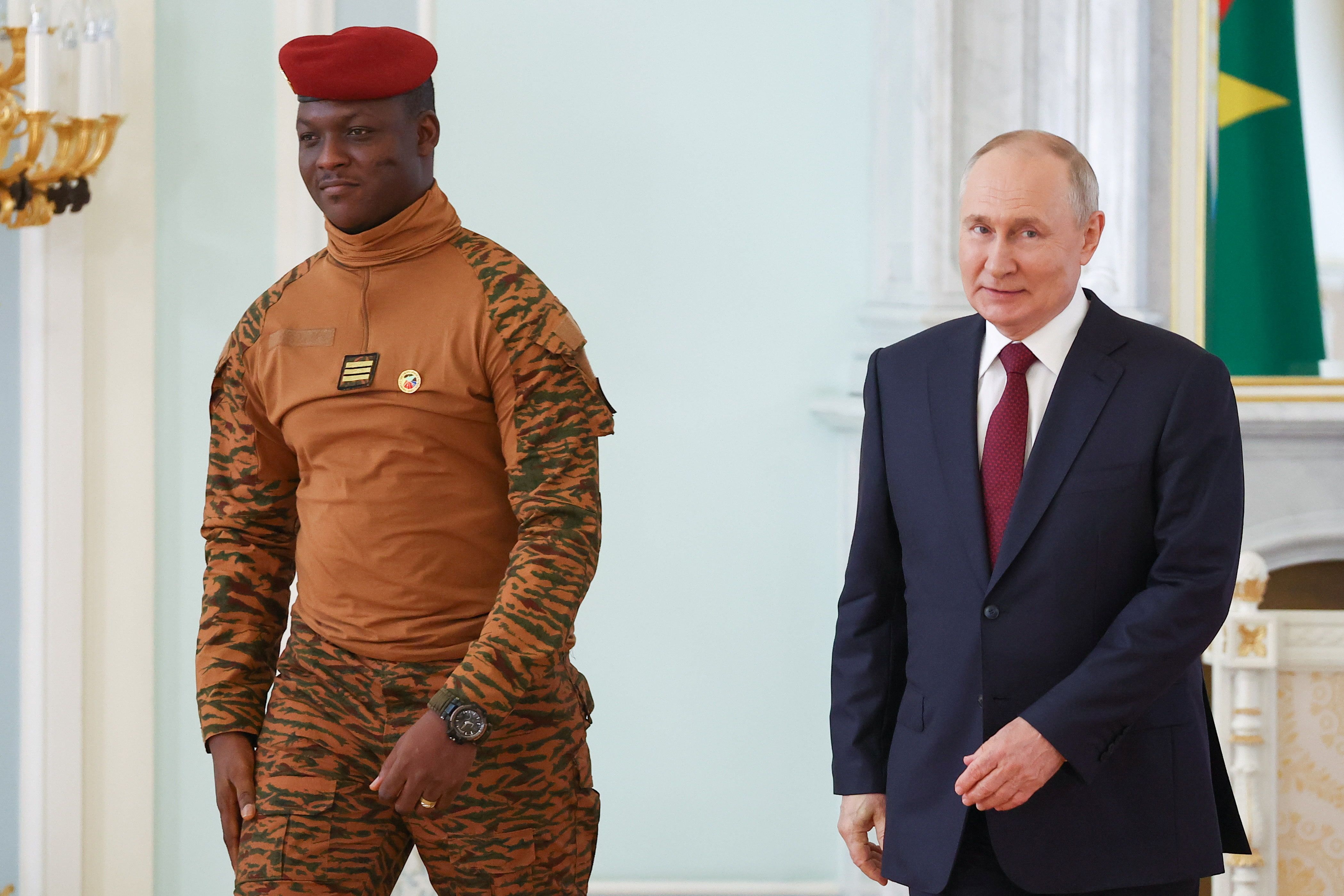
Traoré’s growing ties with Russia present potential challenges for U.S. foreign policy. The deployment of Russian advisors in Burkina Faso—whether military or political—adds a layer of complexity to West Africa’s strategic landscape.
For Washington, Russian influence in the Sahel region raises alarms about broader geopolitical competition, especially given recent U.S. concerns over Russia’s role in neighboring countries like Mali and Niger.
Economic sovereignty efforts by Burkina Faso may also collide with U.S. business interests. Washington has traditionally promoted liberalized markets and private-sector-led development in Africa.
Traoré’s nationalization efforts, particularly in mining, run counter to this framework, potentially prompting U.S. firms and policymakers to push back diplomatically or through trade measures.
Additionally, Burkina Faso’s reduction in reliance on Western aid programs—such as USAID—and its initiatives to become a regional agricultural supplier signal a long-term strategic shift that could diminish American soft power on the continent.
Not Confrontation, But Divergence
At present, there is no direct confrontation between the Trump administration and the Traoré government. However, their policy objectives reflect contrasting worldviews.
Related Article: Gold Without Permission: How Burkina Faso Cut the West Out
Trump’s focus on direct benefit to the U.S. may lead to minimal interest in supporting governments that pursue ideologically divergent or anti-Western policies. Meanwhile, Traoré’s governance emphasizes national sovereignty, control of natural resources, and geopolitical independence—elements that may complicate bilateral cooperation.
As Burkina Faso continues to reposition itself within global networks, and as the Trump administration reasserts its vision of U.S. interests abroad, their intersecting paths will require careful monitoring. The potential for friction is real, especially if regional instability escalates or if Russian involvement deepens.
The evolving relationship between the United States and Burkina Faso, particularly under the leadership of President Donald Trump and Captain Ibrahim Traoré, illustrates a larger shift in international power dynamics. While both leaders prioritize national interest, their approaches to sovereignty, economics, and diplomacy diverge sharply.
As Africa becomes an increasingly contested arena for global influence, U.S. policymakers will need to reassess how they engage with a continent no longer content with traditional alliances.






0 comments