
Your Read is on the Way
Every Story Matters
Every Story Matters
The Hydropower Boom in Africa: A Green Energy Revolution Africa is tapping into its immense hydropower potential, ushering in an era of renewable energy. With monumental projects like Ethiopia’s Grand Ethiopian Renaissance Dam (GERD) and the Inga Dams in the Democratic Republic of Congo, the continent is gearing up to address its energy demands sustainably while driving economic growth.
Northern Kenya is a region rich in resources, cultural diversity, and strategic trade potential, yet it remains underutilized in the national development agenda.

Can AI Help cure HIV AIDS in 2025

Why Ruiru is Almost Dominating Thika in 2025

Mathare Exposed! Discover Mathare-Nairobi through an immersive ground and aerial Tour- HD

Bullet Bras Evolution || Where did Bullet Bras go to?
Boniface Mwangi, one of Kenya’s most defiant and visible human rights activists, never intended to make headlines during his visit to Tanzania. The trip was purely in solidarity—an act of political kinship with opposition figure Tundu Lissu, who was due in court. But in regions where politics and power often sit on a powder keg, even the most peaceful acts of support can become dangerous provocations. Mwangi’s arrival was quiet.
His arrest, however, was silent—so silent, in fact, that for four days, no one knew where he was, whether he was alive, or even if he had left voluntarily. That silence would soon unravel into a terrifying story of brutality and survival.
The disappearance of Boniface Mwangi wasn't just suspicious—it was surgical. Picked up from his hotel without a trace, held incommunicado, and denied all contact with the outside world, Mwangi’s erasure from the public eye was a tactic that mirrored intelligence operations more than standard law enforcement. For nearly a week, the activist community across Kenya and Uganda scrambled for answers.
Tanzania remained tight-lipped. Rumors swirled, hashtags trended, but there was no official acknowledgment. Then, as abruptly as he had vanished, Mwangi resurfaced—barely able to walk, bruised in both body and spirit, at the Kenya-Tanzania border town of Horohoro. His first words to the press were not those of rage or protest, but of pain and deep concern—for someone else.
At the heart of this story lies a quieter, more disturbing thread—Agather Atuhaire, a Ugandan journalist and human rights advocate who was with Mwangi when they were taken. Unlike Mwangi, she hasn’t returned. Her name, her voice, her presence—all remain absent. And with each passing day, concern for her safety intensifies.
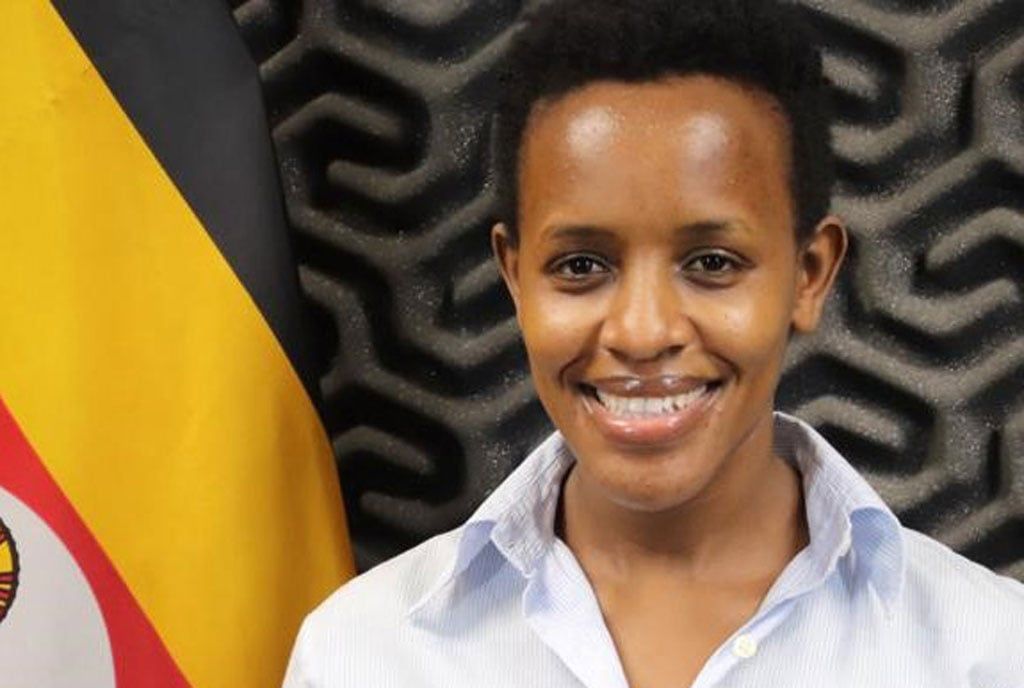
Activists are haunted by the possibility that while one of their own barely escaped, the other might be lost forever. The fact that their separation happened during detention speaks volumes: it was strategic. Removing witnesses, isolating voices, breaking spirits. The silence around Agather is not just deafening—it is damning.
When Mwangi spoke to journalists after landing in Mombasa, his words were careful but haunting. “I have gone through four very dark days. I have been tortured very badly,” he said, his voice subdued but unwavering. These weren’t just beatings or intimidation tactics. According to Mwangi, the abuse was systematic and psychologically devastating.
He was reportedly mocked, injured, and repeatedly forced to reference Tanzanian President Samia Suluhu Hassan, being told to express gratitude to her in the midst of his suffering. The message was clear: your pain is not just personal—it’s political. This wasn’t merely about punishing a dissenter. It was about branding dissent as treason.
Beyond the Tanzanian authorities, questions are also being asked of the Kenyan government. Why did it take so long to respond? Were there diplomatic efforts made behind the scenes—or worse, was there a tacit agreement to look the other way? Human rights groups have started pointing fingers not just at Tanzania, but also at Nairobi.
The idea that a Kenyan citizen could be abducted and tortured without any formal diplomatic uproar is chilling. Activist Hussein Khalid did not mince words when he accused Tanzanian authorities of being directly responsible for Mwangi’s ordeal and hinted that Kenyan officials might have known more than they admitted. The suggestion of cross-border political collusion is alarming, and it’s tearing at the fragile trust between citizens and the state.
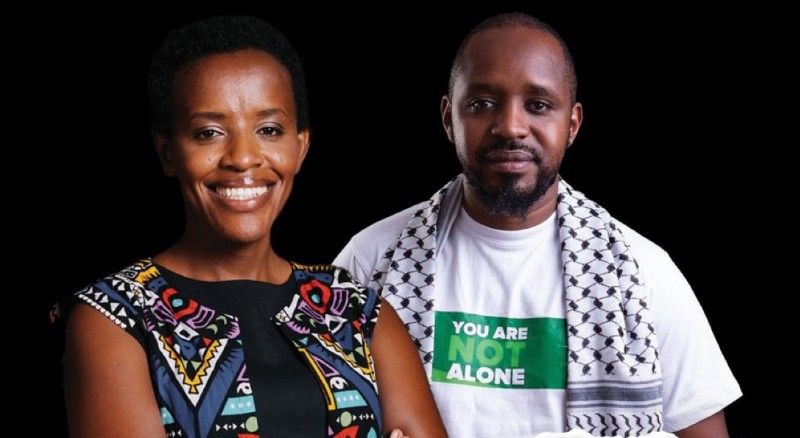
Mwangi’s experience is not an isolated incident—it’s a flare in the sky. Across East Africa, from Rwanda’s surveillance to Uganda’s violent crackdowns, activists, journalists, and opposition voices are facing increasing threats. What was once a region hailed for democratic progress is now drifting into a dangerous embrace of authoritarianism.
The silence around Mwangi’s case, the mystery of Agather’s disappearance, and the lack of accountability all signal a disturbing trend: states are no longer hiding their abuses—they’re daring us to speak out. And in that boldness lies the real danger. When torture becomes a tool of diplomacy and silence the preferred mode of governance, the very fabric of democracy starts to erode.
As Boniface Mwangi begins the long road to physical and emotional recovery, his focus remains on Agather and the countless others whose voices were silenced before the cameras ever arrived. The scars he now carries are not just evidence of brutality—they are reminders of what is at stake. For activists across Africa, his story is both cautionary and catalytic. It is a painful reminder that solidarity is costly, that speaking truth to power remains one of the most dangerous acts on the continent.
But perhaps, even in this darkness, there is light. Mwangi’s survival and his refusal to be silenced may yet serve as a rallying cry. A renewed urgency is now sweeping through human rights circles, demanding not only justice for him and Agather but structural reforms across the region. The question is no longer whether these acts happened—it’s whether the world will care enough to stop them.






0 comments