
Your Read is on the Way
Every Story Matters
Every Story Matters
The Hydropower Boom in Africa: A Green Energy Revolution Africa is tapping into its immense hydropower potential, ushering in an era of renewable energy. With monumental projects like Ethiopia’s Grand Ethiopian Renaissance Dam (GERD) and the Inga Dams in the Democratic Republic of Congo, the continent is gearing up to address its energy demands sustainably while driving economic growth.
Northern Kenya is a region rich in resources, cultural diversity, and strategic trade potential, yet it remains underutilized in the national development agenda.

Can AI Help cure HIV AIDS in 2025
Why Ruiru is Almost Dominating Thika in 2025
Mathare Exposed! Discover Mathare-Nairobi through an immersive ground and aerial Tour- HD

Bullet Bras Evolution || Where did Bullet Bras go to?
Tanzania’s legal framework sets a modest academic bar for anyone aspiring to serve as a Member of Parliament (MP). The Constitution mandates only that a candidate must be at least 21 years old and able to read and write in either Kiswahili or English. This leaves the door open for individuals from all walks of life to participate in the country’s legislative process, regardless of their formal education level.
Because of this low entry threshold, the educational backgrounds of Tanzanian MPs vary widely. Some members boast advanced degrees in fields such as law, economics, engineering, and public administration.
They often bring technical expertise to parliamentary debates and policy development. On the other hand, a significant number of MPs have completed only primary or secondary school, reflecting a mix of grassroots experience and limited academic training.
This spectrum illustrates Tanzania's political inclusivity—but it also brings into focus questions about competence, particularly in dealing with complex legislative issues in today’s globally competitive and technology-driven environment.
As the country evolves, there’s growing public and media scrutiny regarding the capabilities of elected leaders. Tanzanians are increasingly concerned about whether MPs with limited education can effectively legislate, scrutinize national budgets, or engage with sophisticated policy matters. This scrutiny has intensified as citizens demand more transparency, better governance, and strategic leadership in both rural and urban areas.
The issue becomes even more sensitive when MPs make controversial statements or decisions that expose knowledge gaps—often leading to heated national debates about qualifications, merit, and leadership.
Despite the public discourse, there’s a strong counter-argument defending the current system. Many believe that practical experience, local wisdom, and an intimate understanding of community needs can be just as valuable—if not more—than academic degrees.
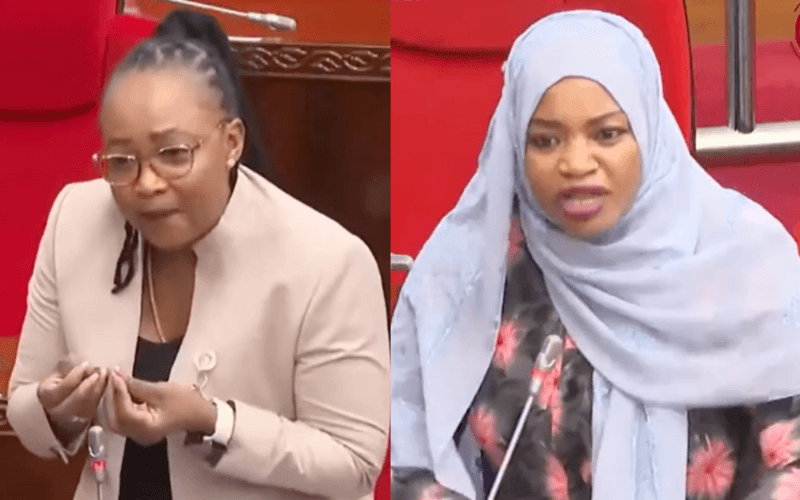
In fact, some of the most effective MPs in Tanzania are those who resonate deeply with their constituents, advocate fiercely for local issues, and maintain an authentic connection to their communities, regardless of formal education.
This highlights an ongoing tension between technocratic competence and grassroots representation—a dilemma faced not just in Tanzania, but in many democratic systems worldwide.
While the Constitution remains unchanged, there are quiet but growing calls to review the qualifications for public office in Tanzania. Some policy thinkers and civic groups advocate for minimum secondary or post-secondary education as a baseline for parliamentary candidates.
Others argue for better training and continuous capacity-building programs for sitting MPs to improve their legislative performance without excluding anyone upfront.
Ultimately, the challenge for Tanzania lies in striking a balance—preserving democratic inclusiveness while ensuring that elected leaders are equipped with the skills and knowledge necessary to make informed, impactful decisions on behalf of the nation.
Conclusion
The academic qualifications of Tanzania’s MPs reflect the country’s inclusive political framework, but also reveal cracks in a system grappling with modern governance demands. As citizens push for more competent leadership, the debate continues: should academic credentials matter more—or should experience remain king in the halls of Parliament?






0 comments