
Your Read is on the Way
Every Story Matters
Every Story Matters
The Hydropower Boom in Africa: A Green Energy Revolution Africa is tapping into its immense hydropower potential, ushering in an era of renewable energy. With monumental projects like Ethiopia’s Grand Ethiopian Renaissance Dam (GERD) and the Inga Dams in the Democratic Republic of Congo, the continent is gearing up to address its energy demands sustainably while driving economic growth.
Northern Kenya is a region rich in resources, cultural diversity, and strategic trade potential, yet it remains underutilized in the national development agenda.

Can AI Help cure HIV AIDS in 2025

Why Ruiru is Almost Dominating Thika in 2025

Mathare Exposed! Discover Mathare-Nairobi through an immersive ground and aerial Tour- HD

Bullet Bras Evolution || Where did Bullet Bras go to?
In a strategic move aimed at enhancing Kenya’s position within the global agricultural market, President William Ruto recently convened with Zhang Chaobin, the Chairman of Benny Tea Industries, to initiate discussions centered around expanding Kenyan tea exports to China. The meeting, which took place on a significant Tuesday, marks the beginning of a bold new chapter in bilateral trade relations. It signifies more than just an economic exchange—it’s a forward-thinking approach to creating long-term, mutually beneficial partnerships.
With China being one of the largest consumers of tea in the world, this partnership holds immense promise for Kenya, not just in terms of trade volumes but also in creating new avenues for growth in the agricultural sector. As Kenya looks to redefine its global economic footprint, this partnership presents a golden opportunity for both nations to tap into new markets and explore innovative trade relations in the coming years.
Benny Tea Industries is one of the most influential players within China’s sprawling tea market. Ranked among the top three companies in the country’s expansive tea production and retail supply chain, Benny is a well-established force known for its refined expertise in producing specialty teas. The company’s influence extends well beyond China’s borders, with a strong presence in international markets that demand high-quality, diverse tea varieties. The company’s Chairman, Zhang Chaobin, has made it clear that they are seeking to broaden their supply sources, and Kenya has emerged as a crucial partner.
The allure of Kenya’s high-quality orthodox teas, particularly those produced in the country’s lush, high-altitude tea-growing regions, presents an attractive prospect for Benny. As the global demand for premium teas increases, Benny’s commitment to sourcing more Kenyan tea aligns with their goal to meet the ever-growing consumer appetite for specialty teas. This shift signals the potential for Kenya to gain a foothold in one of the world’s most competitive tea markets.
The recent meeting was not just a bilateral dialogue between President Ruto and Chairman Zhang but a convergence of various influential stakeholders from Kenya’s tea sector, including representatives from the Ministry of Agriculture, the Kenya Tea Development Agency (KTDA), and the Kenya Tea Board. This broad-based involvement underscores the strategic importance that Kenya attaches to the expansion of its tea exports.
The diverse collaboration between government bodies, trade agencies, and industry leaders reflects a unified effort to strengthen Kenya’s position in the global tea trade. This coalition aims to not only facilitate the export of Kenyan tea but also address the challenges faced by the local industry, such as improving tea quality, increasing production capacity, and innovating new value-added products. In this context, the partnership with Benny Tea Industries takes on even greater significance, as it demonstrates the Kenyan government’s commitment to working with both local and international players to ensure sustainable growth and market expansion.
Kenya has long been recognized as one of the world’s top tea producers, with its vast tea estates nestled in the country’s highlands providing the ideal conditions for growing top-quality tea. However, recent shifts in global consumer preferences are pushing Kenya to innovate further, focusing on specialty teas like orthodox tea varieties that require more labor-intensive production methods and expertise. These teas, which involve hand-plucking and carefully processing the leaves, have gained increasing demand in international markets, especially in China, where consumers are becoming more discerning in their choices.
President Ruto’s vision for Kenya is clear: to increase the country’s share of the global tea market by focusing on value addition, specialized production techniques, and better packaging. By offering teas that appeal to niche markets, Kenya can move beyond just being a supplier of bulk tea to a key player in the premium tea sector. This approach not only enhances Kenya’s tea export potential but also elevates the entire industry by encouraging sustainable farming practices and supporting local farmers through better incentives and training programs.

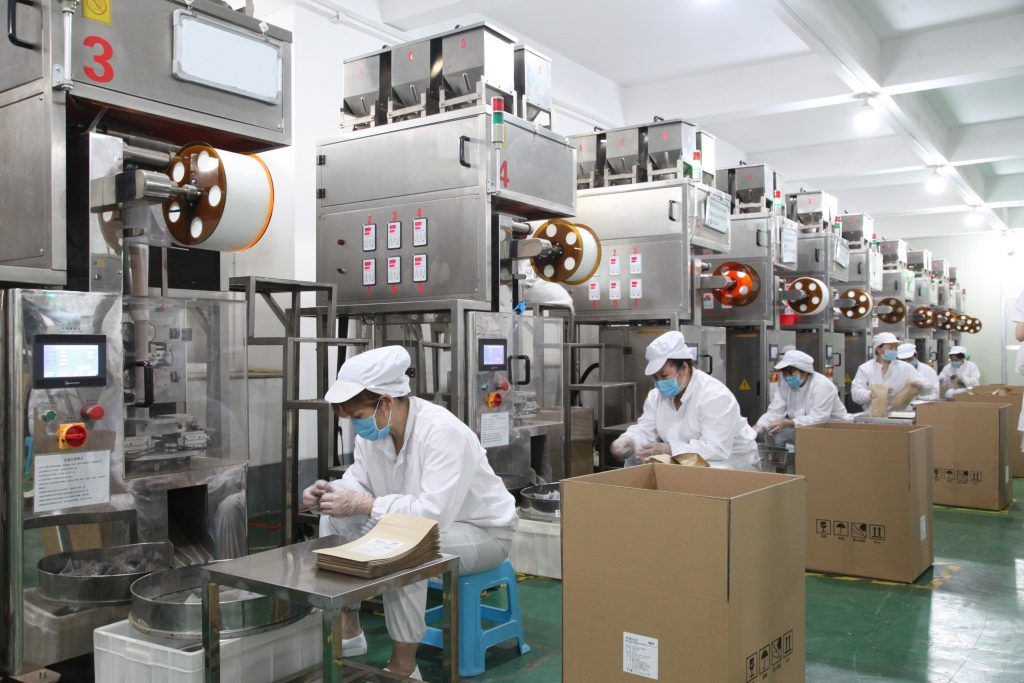
The commitment by Benny Tea Industries to significantly increase its sourcing of Kenyan orthodox tea. For Benny, this partnership is not just about securing a steady supply of high-quality tea but also about establishing a long-term relationship that supports the development of Kenya’s tea sector. The company has pledged to invest in modernizing Kenya’s tea production infrastructure, with plans to establish state-of-the-art orthodox tea factories in key growing regions.
This move is expected to boost the efficiency and quality of tea production in Kenya, providing more opportunities for local farmers to engage in higher-value tea production. The establishment of these factories will also contribute to the creation of jobs and the development of new skills among local communities, furthering the economic benefits of this partnership. Additionally, the focus on improving value addition within the Kenyan tea industry means that more of the country’s tea will be processed and packaged locally, reducing the need for costly exports of raw tea leaves and allowing Kenya to retain more of the revenue generated by its tea exports.
While tea is certainly the focal point of this new collaboration between Kenya and China, the broader vision encompasses a much more diversified trade relationship. Kenya’s government, under President Ruto’s leadership, is working to boost exports across several key sectors, including coffee, avocado, macadamia nuts, and other agricultural products. By expanding trade in these high-demand products, Kenya aims to strengthen its economic ties with China, which has become one of the country’s largest trading partners in recent years.
China’s growing middle class and increasing demand for premium agricultural products presents a unique opportunity for Kenya to position itself as a key supplier of high-quality goods. This effort aligns with Kenya’s broader strategy of diversifying its export markets and increasing its presence in emerging economies around the world. As these efforts gain momentum, both Kenya and China stand to benefit from deeper, more multifaceted trade relations.

The diplomatic efforts accompanying this trade expansion cannot be overstated. Kenya’s Deputy Head of Mission in China, Ambassador Lynette Ndile, was present during the meeting, further underscoring the importance of this partnership at the diplomatic level. By working closely with Chinese officials and organizations, Kenya is ensuring that its trade objectives align with broader national interests and strategic foreign policy goals. The diplomatic support for these trade initiatives highlights the Kenyan government’s dedication to deepening its relationships with key global markets. This engagement will pave the way for future opportunities, not just in tea, but in a range of industries, as Kenya looks to position itself as a leading player in international trade.
The long-term benefits of these expanded trade relations are far-reaching. By fostering stronger economic ties with China and other global partners, Kenya is setting itself on a path toward sustainable economic growth. The tea sector, in particular, stands to benefit significantly, with the potential for increased exports, new investments, and enhanced productivity.
Beyond the economic gains, the investment in modern tea production and processing infrastructure will provide a boost to local communities by creating jobs and improving living standards. Furthermore, the training and knowledge-sharing opportunities that come with working with international partners like Benny Tea Industries will help Kenyan farmers and workers develop new skills that can be applied across other sectors. Ultimately, these efforts will contribute to Kenya’s broader economic development goals and support the country’s continued growth in the global marketplace.
In conclusion, the meeting between President Ruto and Benny Tea Industries is a promising sign of what lies ahead for Kenya’s tea sector. This partnership opens the door to new opportunities for growth, trade, and innovation. As both nations continue to deepen their economic ties, the future looks bright for Kenyan tea as it gains a foothold in the lucrative Chinese market. With strategic investments in production, processing, and value addition, Kenya has the potential to establish itself as a global leader in the specialty tea market, while also creating lasting economic benefits for its people.






0 comments