
Your Read is on the Way
Every Story Matters
Every Story Matters
The Hydropower Boom in Africa: A Green Energy Revolution Africa is tapping into its immense hydropower potential, ushering in an era of renewable energy. With monumental projects like Ethiopia’s Grand Ethiopian Renaissance Dam (GERD) and the Inga Dams in the Democratic Republic of Congo, the continent is gearing up to address its energy demands sustainably while driving economic growth.
Northern Kenya is a region rich in resources, cultural diversity, and strategic trade potential, yet it remains underutilized in the national development agenda.

Can AI Help cure HIV AIDS in 2025

Why Ruiru is Almost Dominating Thika in 2025

Mathare Exposed! Discover Mathare-Nairobi through an immersive ground and aerial Tour- HD

Bullet Bras Evolution || Where did Bullet Bras go to?
In South Sudan’s turbulent political theater, whispers of betrayal and fear of ethnic cleansing are again fueling a dangerous fire. On Sunday, tensions escalated as an opposition figure accused President Salva Kiir’s administration of orchestrating a campaign not just against a political rival, but against an entire people. The claim? A covert strategy to demonize and dismantle communities aligned with Riek Machar, the ousted first vice president, under the guise of national security.
But the story isn’t just about war drums and fiery accusations — it's about a young nation eating itself alive, one community at a time.
Months of deadly skirmishes between government troops and forces loyal to Machar have exposed deep scars from a civil war that officially ended in 2018 but never truly healed. The government’s labeling of entire regions—primarily Nuer-populated counties—as "hostile" has sent a chilling message: loyalty to Machar could now be treated as treason.
A government-issued statement acknowledged that nine out of sixteen counties traditionally inhabited by the Nuer people are deemed unfriendly. Among these is Nasir County, a hotbed of recent conflict and strategic heartland for Machar’s lingering support base.
The reaction from opposition leaders was swift and scathing. Reath Muoch Tang, a senior official in Machar’s party and a prominent Nuer figure, blasted the move as “a blueprint for extermination,” warning it paves the way for systematic persecution disguised as military necessity.
South Sudan's ghost of violence returned in March when approximately 6,000 fighters, known collectively as the "White Army" — an informal group of armed Nuer youths — launched a brazen attack on a government military base in Nasir. The assault, which left hundreds dead, reopened old wounds and shattered any illusion of sustained peace.
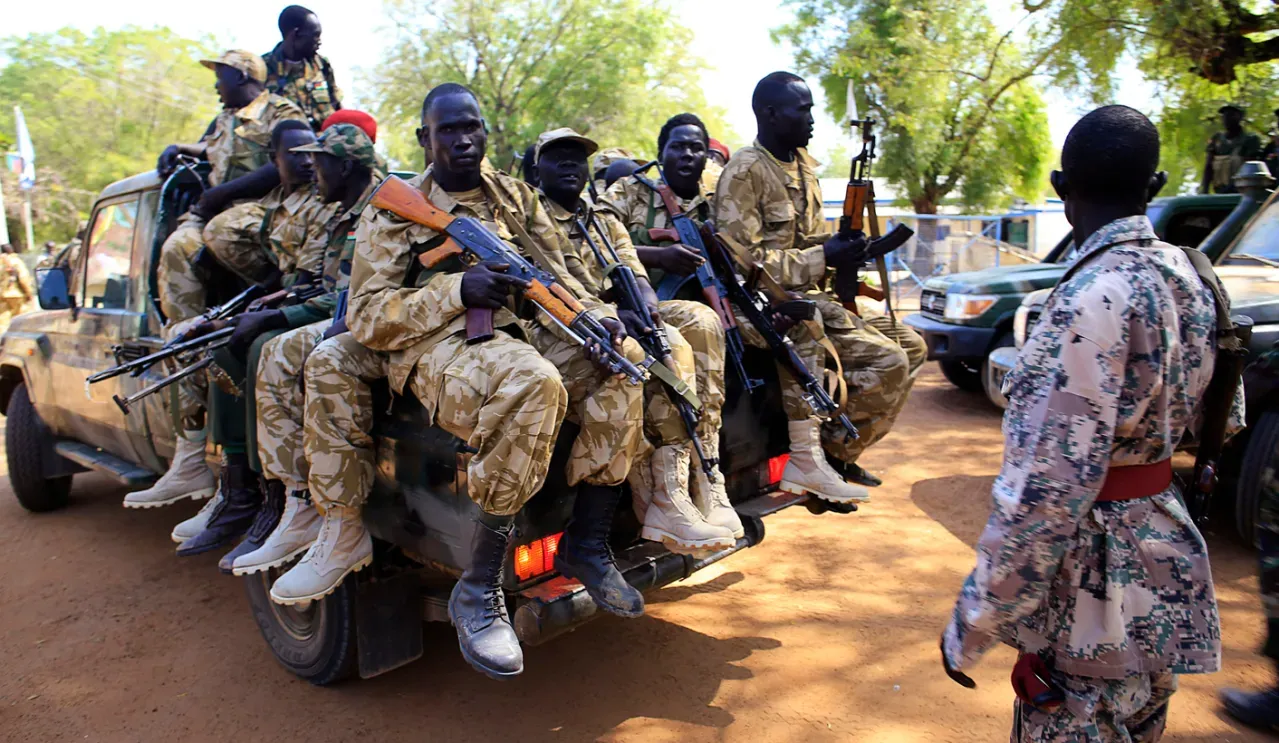
The government reported a staggering 400 soldiers killed in that single encounter. Since then, retaliatory clashes have left at least 200 civilians dead and displaced more than 125,000 people, according to UN estimates.
The friction between Kiir, a member of the Dinka group, and Machar, from the Nuer, represents more than just political rivalry; it reflects centuries-old ethnic tensions now being weaponized for power. Although the Dinka and Nuer were once united in the dream of independence from Sudan, today their divisions threaten to plunge South Sudan into an abyss from which it might not recover.
Machar’s house arrest earlier this year, effectively sidelining him from politics, has only worsened the instability, pushing many of his supporters underground and into armed resistance.
Despite sitting atop vast oil reserves, South Sudan remains one of the poorest nations in the world. Infrastructure crumbles, food scarcity grows, and hope shrinks daily. Independence in 2011 was supposed to usher in a golden era; instead, greed, ethnic division, and power struggles have turned the world’s youngest country into a cautionary tale.
As the political elite continue their deadly chess match, ordinary South Sudanese citizens are once again caught in the crossfire — left to wonder if peace was ever more than a mirage.






0 comments