
Your Read is on the Way
Every Story Matters
Every Story Matters
The Hydropower Boom in Africa: A Green Energy Revolution Africa is tapping into its immense hydropower potential, ushering in an era of renewable energy. With monumental projects like Ethiopia’s Grand Ethiopian Renaissance Dam (GERD) and the Inga Dams in the Democratic Republic of Congo, the continent is gearing up to address its energy demands sustainably while driving economic growth.
Northern Kenya is a region rich in resources, cultural diversity, and strategic trade potential, yet it remains underutilized in the national development agenda.

Can AI Help cure HIV AIDS in 2025

Why Ruiru is Almost Dominating Thika in 2025

Mathare Exposed! Discover Mathare-Nairobi through an immersive ground and aerial Tour- HD

Bullet Bras Evolution || Where did Bullet Bras go to?
Before the drama, there was unity. Oscar Sudi, a vocal MP from Kapseret, and Rigathi Gachagua, were key players in the coalition that helped propel President William Ruto to power. Their political paths converged in the fever-pitch campaigns leading up to the 2022 general election, where trust and mutual support seemed to guide their alliance. Sudi has now claimed that during those tense months, he provided Gachagua with critical financial support — a gesture he suggests was out of necessity, not strategy. According to him, Gachagua didn’t have the funds to sustain his campaign — he “hakuwa na ndururu” (didn’t have a coin).
This alleged financial aid wasn’t just a small donation; it was a reflection of Sudi’s belief in their shared mission and Gachagua’s potential. Fast forward to 2025, and that goodwill seems to have soured, replaced by public finger-pointing and a visible political fracture.
What sparked the fallout? According to Sudi, Gachagua is now playing a dangerous game — allegedly fueling the recent Gen Z-led protests against President Ruto’s administration. These demonstrations, largely youth-driven and gaining momentum across the country, have placed immense pressure on the government. But Sudi claims they’re not entirely organic. In his eyes, Gachagua is a political arsonist in disguise — the “enemy within” — leveraging the protests to sabotage Ruto from inside the house they built together.
These allegations have caused a stir not only within the Kenya Kwanza alliance but also across the national political scene. If true, they suggest a high-level betrayal of the very government Gachagua helped establish. If false, they indicate a deepening mistrust and disintegration within the alliance’s ranks.
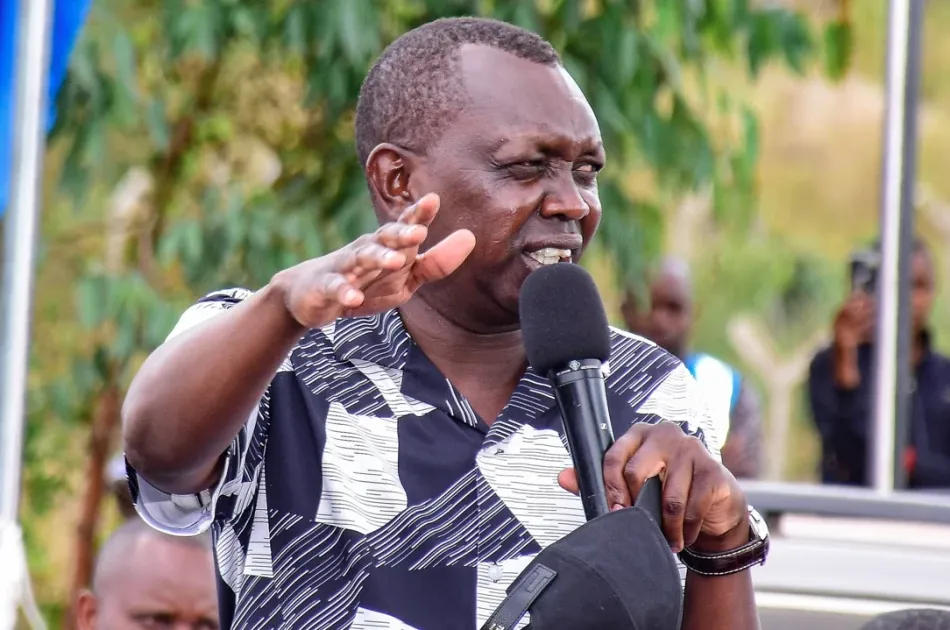
Gone are the days of backroom negotiations and hushed disagreements. The rift between Sudi and Gachagua has exploded into the public sphere. Sudi hasn’t minced his words, openly questioning Gachagua’s loyalty, integrity, and political intentions. He’s portrayed himself as someone who gave when it mattered — not just financially, but also in political capital — and who is now watching that trust get trampled.
Meanwhile, Gachagua has fired back, accusing his critics of being self-serving and disconnected from the ground realities facing ordinary Kenyans. He has attempted to rebrand himself as a leader of the people, especially in his native Mt. Kenya region, where he’s increasingly positioning himself as the voice of economic revival and grassroots power.
Though Kenya’s next general elections are two years away, the early power plays are already underway. This feud may be less about old debts and more about future ambitions. Both Sudi and Gachagua are influential figures in their own right — Sudi with close ties to Ruto, and Gachagua with a growing base in Central Kenya.
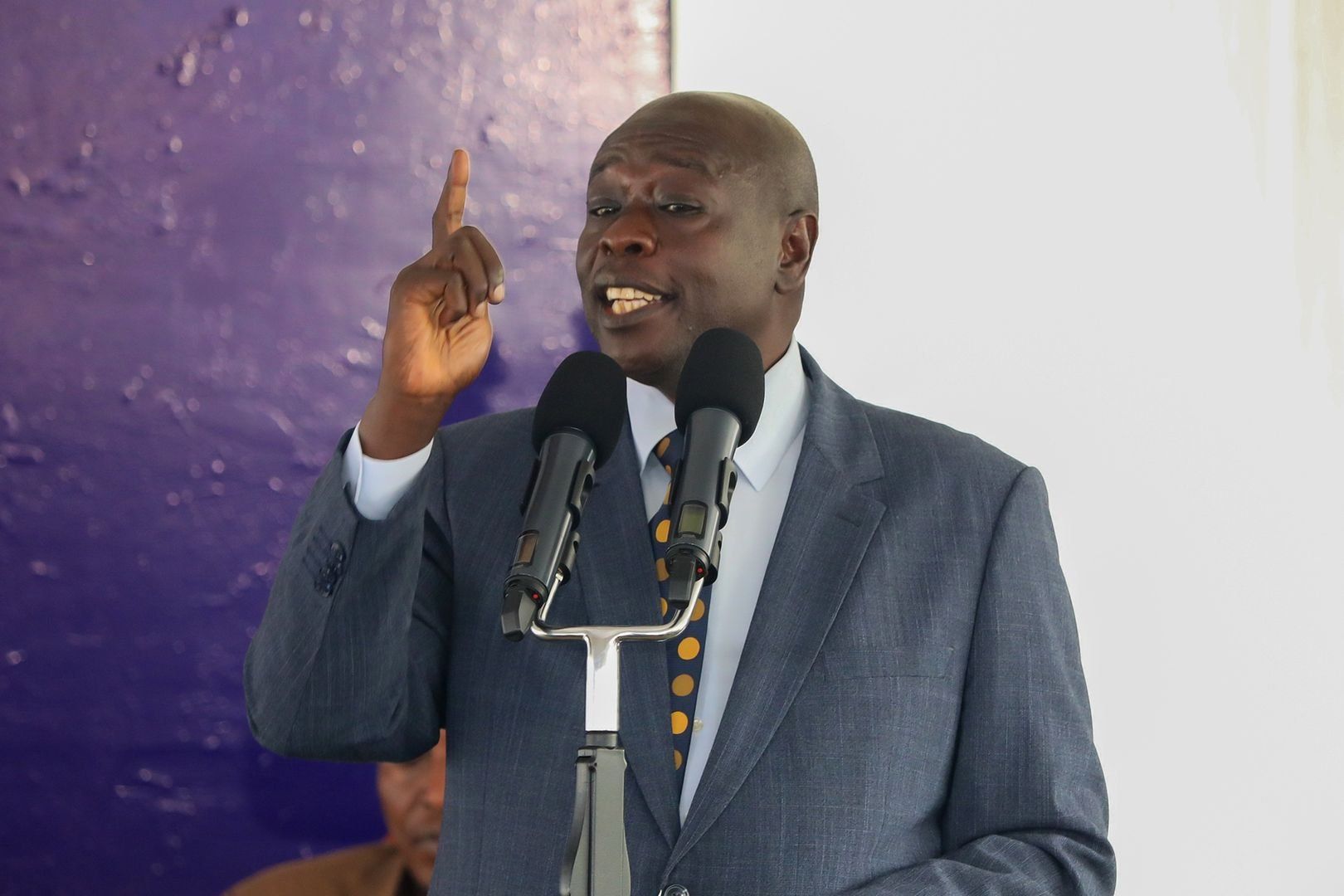
This public split could signal early fractures in the Kenya Kwanza alliance ahead of 2027. If unresolved, it might pave the way for new coalitions or internal power shifts. It could also impact how the alliance is perceived by its base — as either a diverse team struggling through healthy debate or a house at war with itself.
Despite the bitterness, there are voices within the political establishment calling for calm and cohesion. They argue that internal disputes should be handled discreetly, not in public view where they embolden opposition forces and erode public confidence. Kenya is at a delicate moment, grappling with economic challenges, youth unrest, and mounting debt. In such a climate, the country’s top leaders need to project stability, not strife. For now, the public awaits the next chapter in this unfolding saga. Will the two leaders reconcile for the sake of the bigger picture? Or will personal rivalries burn down the political bridge they once crossed together?
This political drama isn’t just about egos or old favors — it’s a reflection of deeper ideological divides and competing visions for Kenya’s future. As the nation inches toward another pivotal election season, the actions of key players like Sudi and Gachagua could either bolster or break the movement they helped build.
Whether this is just a political spat or the beginning of a full-blown split, one thing is clear — in Kenyan politics, past alliances are no guarantee of future loyalty.






0 comments