
Your Read is on the Way
Every Story Matters
Every Story Matters
The Hydropower Boom in Africa: A Green Energy Revolution Africa is tapping into its immense hydropower potential, ushering in an era of renewable energy. With monumental projects like Ethiopia’s Grand Ethiopian Renaissance Dam (GERD) and the Inga Dams in the Democratic Republic of Congo, the continent is gearing up to address its energy demands sustainably while driving economic growth.
Northern Kenya is a region rich in resources, cultural diversity, and strategic trade potential, yet it remains underutilized in the national development agenda.

Can AI Help cure HIV AIDS in 2025

Why Ruiru is Almost Dominating Thika in 2025

Mathare Exposed! Discover Mathare-Nairobi through an immersive ground and aerial Tour- HD

Bullet Bras Evolution || Where did Bullet Bras go to?
A roar of applause echoed through Cape Town International Airport as Ambassador Siyabonga Mthethwa stepped onto home soil, his expression unwavering despite the political storm trailing behind him. The crowd, waving banners emblazoned with bold slogans, gathered in defiance and celebration, welcoming the man who had stood firm against one of the world’s most powerful governments. Some supporters chanted slogans about sovereignty and justice, while others held signs declaring solidarity with the ambassador’s cause. For many, his return was not just the end of a diplomatic assignment but a symbol of national pride and resilience.
His journey back was long and exhausting, spanning multiple time zones, but the warmth of the reception seemed to energize him as he greeted the enthusiastic supporters. Mthethwa’s presence at the airport, flanked by senior members of the African National Congress (ANC), transformed the space into a political stage where the battle for ideological freedom was being fought not only through words but through unwavering loyalty to the country’s core values.
Mthethwa had not planned to return under such circumstances. Just weeks prior, he was South Africa’s most senior envoy to Washington, navigating the turbulent waters of global diplomacy. With years of experience in international relations, he was considered a seasoned diplomat capable of balancing pragmatism with the ideals of justice and equality. But a dramatic clash with the United States government led to his sudden expulsion, an act that has reignited debates about national sovereignty and the growing fracture between the Global South and Western powers. At the heart of the controversy was Mthethwa’s outspoken criticism of what he viewed as the United States' selective commitment to human rights and its tendency to pressure smaller nations into compliance. His words, while controversial to some, resonated deeply with those who believe that South Africa should not yield to external forces that seek to dictate its policies.
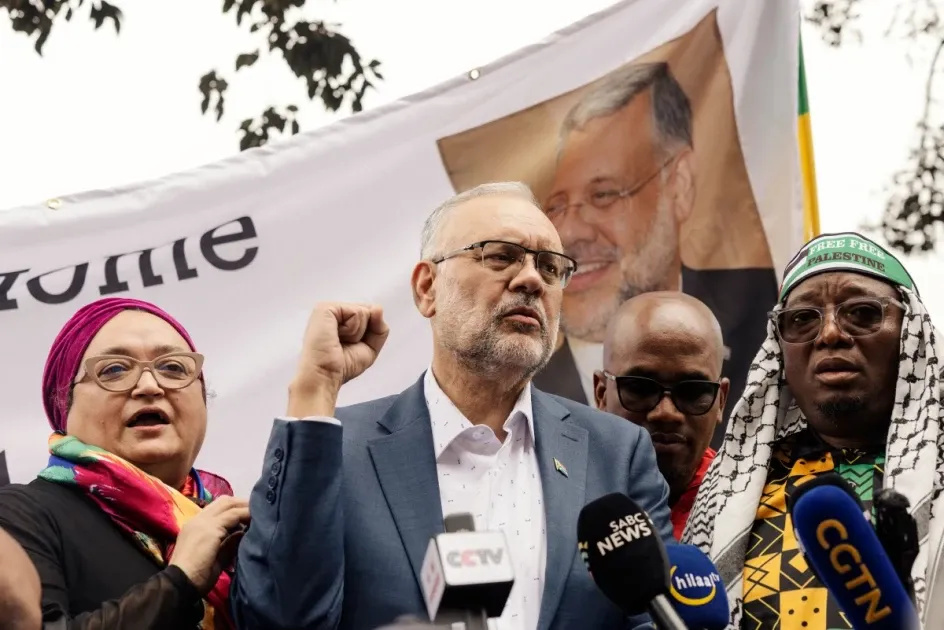
“Leaving was not our choice,” Mthethwa declared through a megaphone to the cheering crowd. “But make no mistake, we return with no regrets and no apologies.” His voice carried the weight of someone who had faced immense political pressure but remained resolute. He thanked the people for their unwavering support, emphasizing that his expulsion was not a personal failure but a reflection of the growing tension between South Africa’s independent stance and the expectations of global powers. To his supporters, his words represented a defiant stand against what many perceive as an ongoing legacy of neo-colonial interference. The crowd responded with resounding applause, their voices merging into a collective affirmation that South Africa’s dignity could not be compromised for diplomatic convenience.
The roots of the confrontation stretched deep. Relations between Washington and Pretoria had grown strained over a series of ideological battles. Mthethwa’s sharp criticism of what he called “neo-imperialist tendencies” and the US administration’s stance on racial and global issues became the flashpoint.
He publicly denounced what he described as the United States' “double standard” on human rights and their reluctance to address systemic racial inequalities. His statements were not simply diplomatic rhetoric but part of a broader attempt to highlight how international power structures often silence the voices of smaller nations. He argued that the world’s leading powers, while promoting democratic values, frequently fail to apply those same principles when engaging with nations that challenge their narratives. This bold stance put Mthethwa on a collision course with the United States administration, which viewed his comments as inflammatory and damaging to bilateral relations.
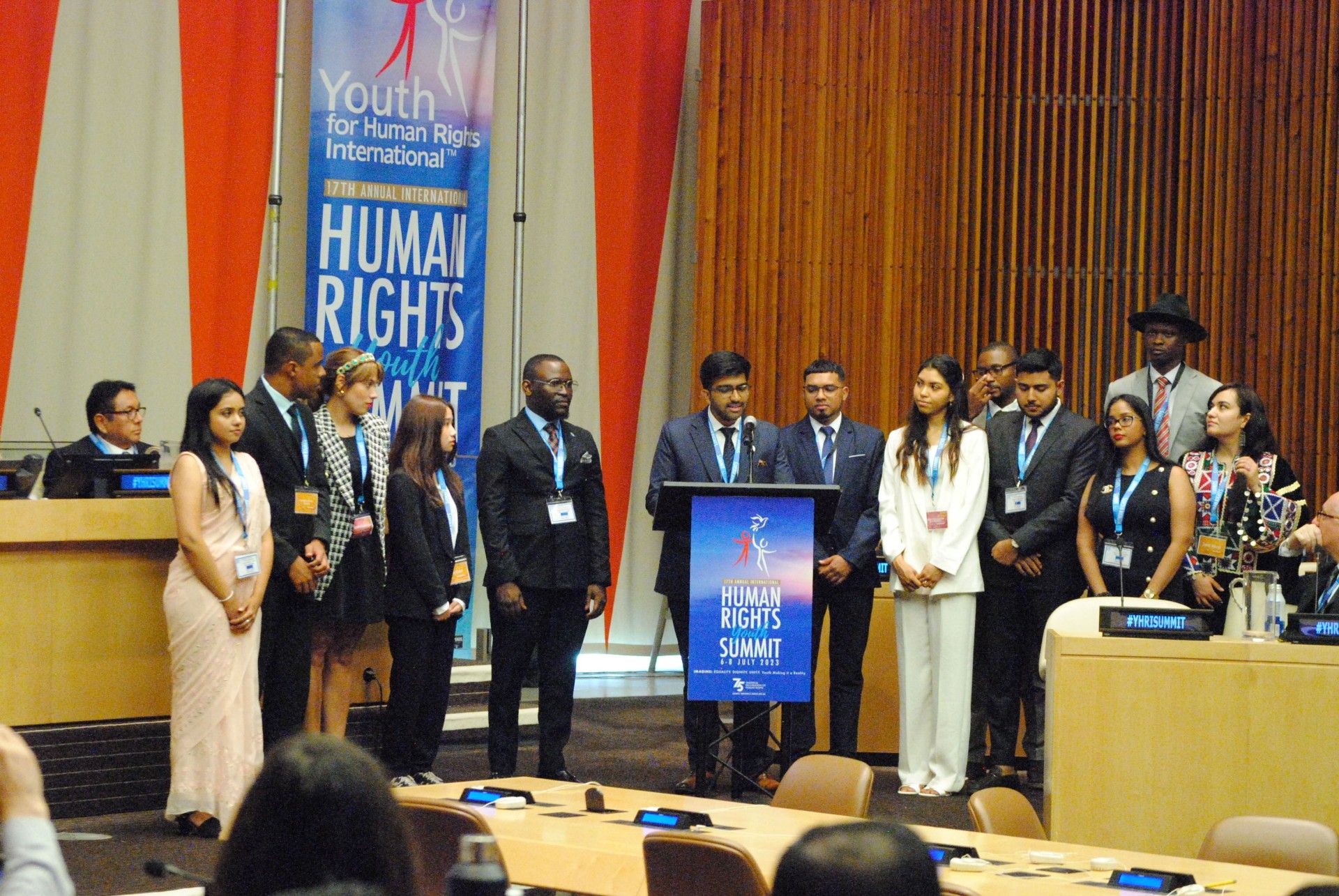
The final blow came after Mthethwa’s fiery remarks at a human rights summit in New York, where he accused the US of using financial aid as a political weapon. His words reverberated across diplomatic circles, prompting the US Secretary of State to brand him an “unfit partner” and order his expulsion. This decision sent shockwaves through the South African diplomatic community, raising questions about whether the US was genuinely committed to dialogue or merely interested in maintaining control over global discourse. For Mthethwa, the expulsion was a clear sign that challenging dominant powers comes at a cost, but he remained unapologetic. “If telling the truth makes me persona non grata, then I accept that designation with pride,” he told reporters upon his return.
Mthethwa’s homecoming speech was both a rallying cry and a warning. “This badge of persona non grata,” he declared, “is no mark of shame. It is a badge of dignity, a symbol that we did not bend to external pressure.” His words were met with thunderous applause, reinforcing the belief that standing firm in the face of adversity was an act of patriotism. Throughout his speech, he emphasized that while international partnerships are valuable, they should never come at the expense of a nation’s core values. For him, the expulsion was not an end but a beginning—a signal that South Africa must redefine its place on the global stage on its own terms.
The ambassador emphasized that South Africa must not sacrifice its core values for the sake of diplomatic ease. “Our language must be one of principles,” he continued. “If we compromise our values today, we lose the foundation of our future.” His words struck a chord with supporters who see South Africa’s stance as part of a broader global realignment, one where emerging powers are pushing back against Western-dominated narratives.
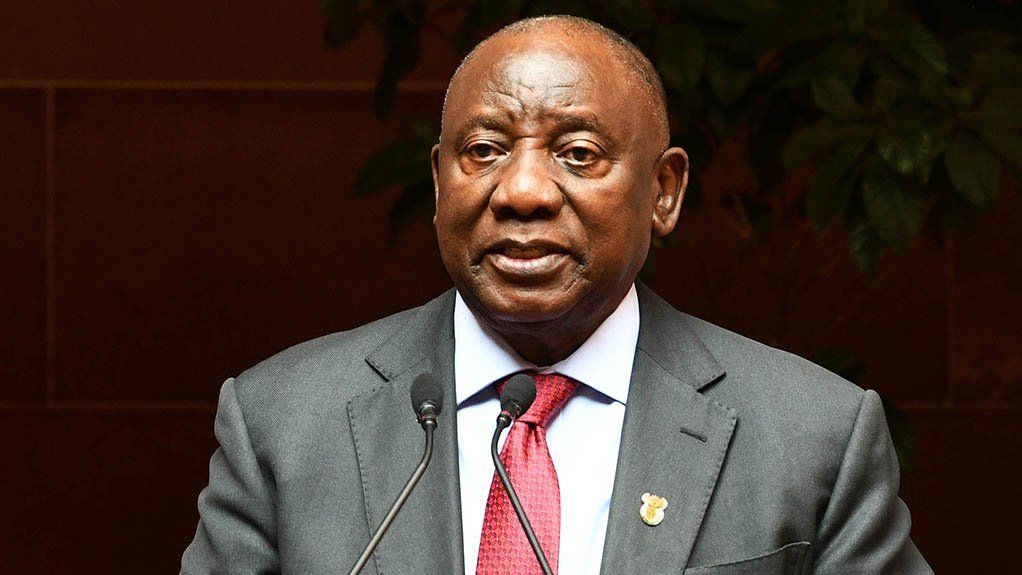
Despite the tension, Pretoria is acutely aware of the practical costs of deteriorating ties with the United States, its second-largest trading partner. President Cyril Ramaphosa has made it clear that while South Africa will uphold its principles, maintaining open lines of communication with Washington remains crucial. South African officials have underscored the importance of balancing values with pragmatism, recognizing that economic ties with the United States are vital for sustaining growth and employment. In response to the diplomatic fallout, the government announced plans to dispatch a high-level delegation comprising business leaders and senior officials to engage with their American counterparts. This initiative aims to ease the diplomatic chill and restore a working relationship while reinforcing South Africa’s commitment to its own political sovereignty.
Yet, Mthethwa, now free from the constraints of diplomatic office, warned against compromising too much. “We will engage,” he said, “but we will not grovel.” His words reflected a broader sentiment that, while dialogue is essential, it should not come at the expense of national dignity and self-respect.
Mthethwa’s expulsion may mark the end of his tenure in Washington, but for many, it signals the beginning of a new chapter in South Africa’s foreign policy. With growing calls for a re-evaluation of global power dynamics, his defiance has ignited fresh discourse on how middle powers like South Africa can navigate the increasingly polarized world stage.
As the crowd dispersed, Mthethwa lingered, shaking hands and exchanging words with supporters. One banner, held high above the crowd, captured the moment’s spirit: “Dignity Over Diplomacy.”
In a world where power often trumps principle, Siyabonga Mthethwa’s defiant return has become a powerful reminder that sometimes, standing firm is its own kind of victory.






0 comments