
Your Read is on the Way
Every Story Matters
Every Story Matters
The Hydropower Boom in Africa: A Green Energy Revolution Africa is tapping into its immense hydropower potential, ushering in an era of renewable energy. With monumental projects like Ethiopia’s Grand Ethiopian Renaissance Dam (GERD) and the Inga Dams in the Democratic Republic of Congo, the continent is gearing up to address its energy demands sustainably while driving economic growth.
Northern Kenya is a region rich in resources, cultural diversity, and strategic trade potential, yet it remains underutilized in the national development agenda.

Can AI Help cure HIV AIDS in 2025

Why Ruiru is Almost Dominating Thika in 2025

Mathare Exposed! Discover Mathare-Nairobi through an immersive ground and aerial Tour- HD

Bullet Bras Evolution || Where did Bullet Bras go to?
In an extraordinary political shift, Mark Carney, a former banker with no prior electoral experience, has assumed the role of Canada's prime minister. His unexpected rise to power has sent shockwaves through the political establishment, with many questioning whether an outsider with no political background can successfully govern a nation facing mounting challenges. His appointment comes at a time when Canada is struggling with economic instability, rising living costs, and an increasingly tense relationship with the United States.
Unlike his predecessor, Justin Trudeau, whose leadership was often marked by ideological clashes with Washington, Carney's ascent signals a pragmatic, business-minded approach to governance. While Trudeau frequently found himself at odds with U.S. President Donald Trump, engaging in public disputes over trade policies and tariffs, Carney appears determined to take a more strategic and calculated approach to dealing with Washington. His experience as a central banker, both in Canada and the United Kingdom, has shaped his belief that diplomacy and economic leverage are more effective than open confrontation.
One of Carney’s most immediate and pressing concerns is defusing tensions with the United States, where President Donald Trump has revived aggressive trade policies that could severely impact Canada’s economy. Recent discussions within the Trump administration about imposing new tariffs on Canadian goods have raised fears of a potential economic crisis. The prospect of a trade war between the two countries looms large, with Canadian businesses bracing for potential disruptions in key sectors such as manufacturing, agriculture, and energy.
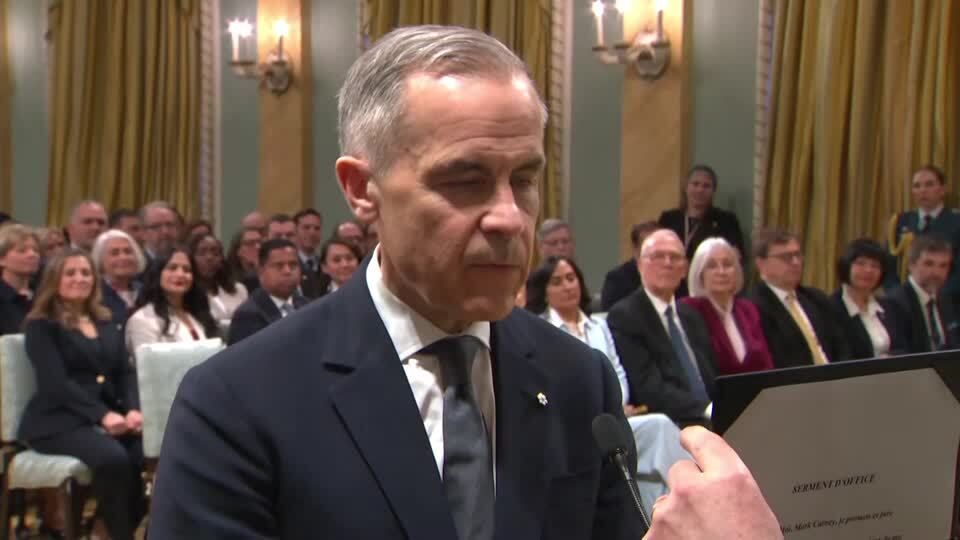
Despite the mounting challenges, Carney has expressed confidence that he can navigate the situation with a balanced and pragmatic approach. In his first public statement as prime minister, he assured reporters that he understood Trump's perspective and the motivations behind his policies. "We both want the best for our nations," Carney said. "The challenge is ensuring that our priorities align rather than collide." However, behind closed doors, sources indicate that Carney is preparing for a worst-case scenario, one where Canada must defend its economic interests with swift countermeasures.
While Carney has downplayed speculation about potential U.S. annexation of Canadian territories, the issue continues to resurface in political circles. Some American officials have floated the idea of absorbing certain Canadian provinces into the United States as a way of consolidating economic power in North America. Carney, however, has firmly rejected any such notion, stating, "Canada’s sovereignty is not up for negotiation. Period." His strong stance on the matter has reassured many Canadians but has also fueled further speculation about the true nature of U.S. intentions.
Unlike Trudeau’s administration, which was known for its expansive cabinet structure and numerous ministerial positions, Carney has taken a different approach by significantly reducing the size of the government. In a bold move, he has trimmed nearly half of the ministerial positions, arguing that a leaner and more efficient government will be better equipped to handle the country’s pressing challenges. His restructuring has sent a clear message that his administration will focus on action rather than bureaucracy.
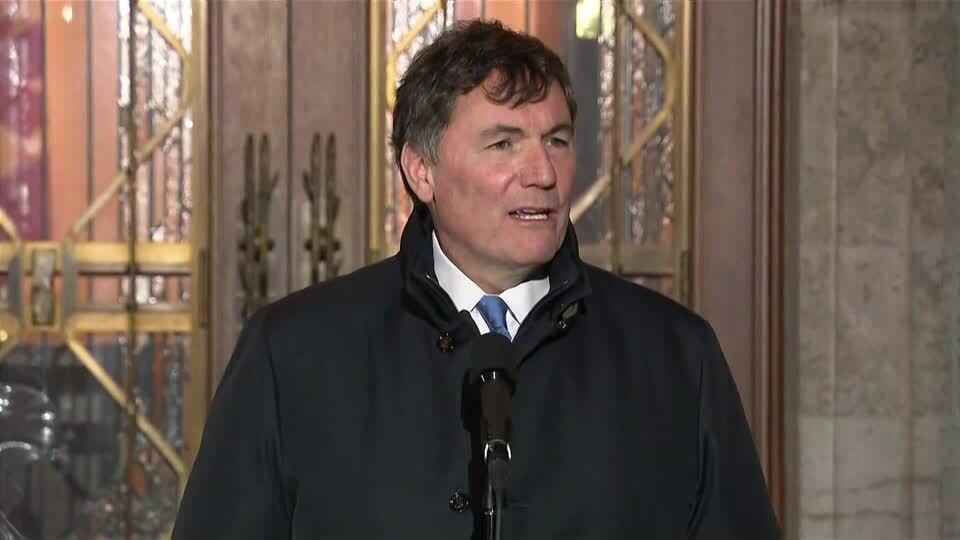
As part of his reshuffling, Carney has reassigned key figures within his administration to critical roles. Dominic LeBlanc, who previously served as finance minister, has been moved to the international trade portfolio, where he will be tasked with negotiating economic safeguards in light of the growing tensions with the U.S. Francois-Philippe Champagne has taken over as finance minister, inheriting the difficult task of stabilizing inflation, addressing the housing crisis, and ensuring economic growth. Meanwhile, Melanie Joly has retained her position as foreign minister, where she will be responsible for maintaining Canada’s relationships with global allies, particularly in Europe, as the country seeks to strengthen diplomatic ties beyond North America.
In one of his most decisive moves so far, Carney has repealed Trudeau’s contentious carbon tax, a policy that had long been a point of contention among Canadian voters. The carbon tax was originally implemented as a measure to combat climate change, but critics argued that it placed an undue financial burden on citizens and businesses. Carney’s decision to eliminate the tax has been framed as an effort to provide economic relief for struggling Canadians. “This is about making life more affordable, not playing politics with environmental policies,” he declared during his first cabinet meeting.
Despite his swift actions, Carney’s time as prime minister may be short-lived. Political insiders suggest that he is preparing to call a snap election within weeks, a high-risk move that could end his leadership before it truly begins. With public opinion still divided over his appointment, the upcoming election is expected to be one of the most contentious in recent history.
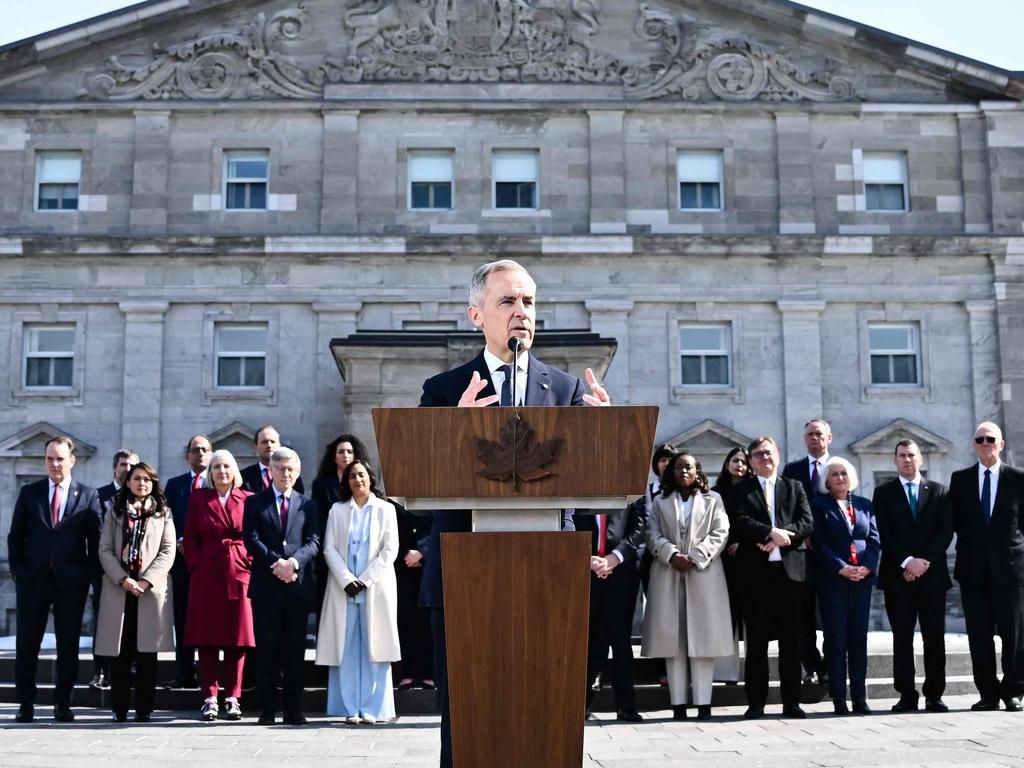
If Carney hesitates to call an election, opposition parties have already signaled their intent to force a vote of no confidence by the end of March. The Conservatives, led by Pierre Poilievre, have been vocal in their criticism of Carney, accusing him of being a continuation of the Trudeau administration despite his outsider status. In a recent statement, Poilievre remarked, "100 percent of Carney's ministers were in Trudeau's caucus, helping hike carbon taxes and double the debt, housing costs, and food bank lineups. A Liberal is a Liberal is a Liberal." The opposition’s strategy will be to frame Carney as an extension of Trudeau rather than a fresh start for the country.
Opinion polls indicate that the upcoming election will be a closely contested battle, with neither the Liberals nor the Conservatives holding a clear advantage. Until recently, the Conservatives had enjoyed a double-digit lead, largely fueled by widespread dissatisfaction over rising living costs and the housing crisis. However, Carney’s swift policy changes, particularly his repeal of the carbon tax, may help to narrow the gap.
As the country braces for a potential political showdown, Carney finds himself at a crossroads. Will he be able to leverage his outsider status and economic expertise to win over Canadian voters, or will he be remembered as a brief experiment in governance that ultimately failed? The coming weeks will determine the fate of his leadership and the direction of the nation.






0 comments