
Your Read is on the Way
Every Story Matters
Every Story Matters
The Hydropower Boom in Africa: A Green Energy Revolution Africa is tapping into its immense hydropower potential, ushering in an era of renewable energy. With monumental projects like Ethiopia’s Grand Ethiopian Renaissance Dam (GERD) and the Inga Dams in the Democratic Republic of Congo, the continent is gearing up to address its energy demands sustainably while driving economic growth.
Northern Kenya is a region rich in resources, cultural diversity, and strategic trade potential, yet it remains underutilized in the national development agenda.

Can AI Help cure HIV AIDS in 2025

Why Ruiru is Almost Dominating Thika in 2025

Mathare Exposed! Discover Mathare-Nairobi through an immersive ground and aerial Tour- HD

Bullet Bras Evolution || Where did Bullet Bras go to?
In a display of power, politics, and corporate influence, the US House of Representatives committee on Doge convened a hearing to scrutinize foreign aid, with a particular focus on the US Agency for International Development (USAID). Led by Republican congresswoman Marjorie Taylor Greene, the committee featured witnesses from conservative think tanks and news outlets who alleged that USAID had squandered funds on "transgender diversity and abortion programs" and inadvertently funneled money to terror organizations. It was a hearing steeped in political theatrics, but it signaled a larger shift: a government moving aggressively toward private interests.
Meanwhile, across town, President Trump’s first cabinet meeting was underway, where he introduced Elon Musk as a key player in his administration’s efforts to slash federal government jobs. Musk defended his email demanding federal workers to justify their roles, stating that those who failed to respond would be presumed dead or fraudulent. Trump chimed in, suggesting that some of these workers might not even exist. It was a moment that showcased the administration’s broader philosophy—government is wasteful, and only private sector-style efficiency could fix it.
As the meeting turned toward economic policy, the discussion took a surprising turn. Trump unveiled a plan to sell “gold visas” to wealthy foreigners for $5 million each, which he claimed would inject trillions into the U.S. economy. But that wasn’t the only sell-off in the works. Behind closed doors, special interest groups had already begun lobbying the administration to privatize and exploit U.S. public lands, urging Trump to roll back environmental protections in favor of corporate profit. Here’s how they planned to do it:
1.Opening National Parks for Private Drilling – Oil and gas companies were eager to access protected lands, lobbying for lease sales in iconic sites like Yellowstone and the Grand Canyon.
2.Selling Off Federal Land to Developers – Private real estate firms pushed for large-scale privatization, arguing that states should decide how to use these lands—including for luxury housing and commercial development.
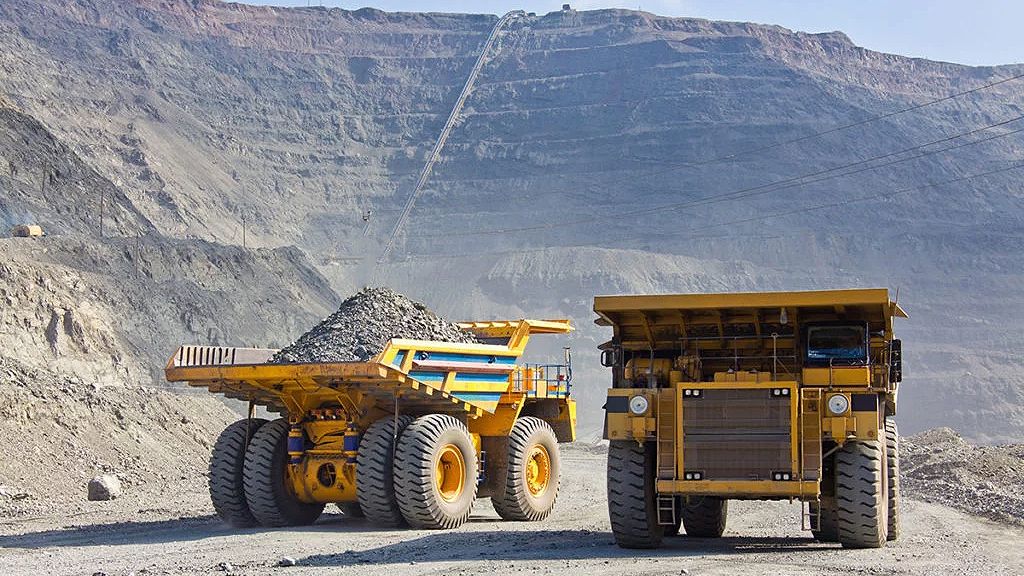
3.Expanding Mining Operations – Coal and mineral mining interests sought relaxed regulations, particularly in Western states, to extract rare earth minerals, a move that coincided with Trump’s reported deal with Ukraine’s Zelensky to hand over mineral rights to the U.S.
4.Dismantling Wildlife Protections – Lobbyists for the agriculture industry pressured Trump to weaken the Endangered Species Act, clearing the way for industrial farming expansions.
5.Privatizing National Forests for Timber – The timber industry sought deregulation to increase logging, claiming it would reduce wildfires despite environmentalists warning of severe ecological damage.
6.Encouraging Foreign Investment in U.S. Land – The administration’s push to sell "gold visas" aligned with foreign investors seeking ownership of prime American land.
7.Reducing Public Access to Outdoor Recreation – Developers argued that hiking trails, campsites, and protected rivers should be converted into revenue-generating attractions or closed to the public altogether.
8.Shutting Down Conservation Programs – Conservation grants funded by USAID and other federal agencies faced scrutiny as “wasteful spending,” setting the stage for budget cuts that favored corporate land development.
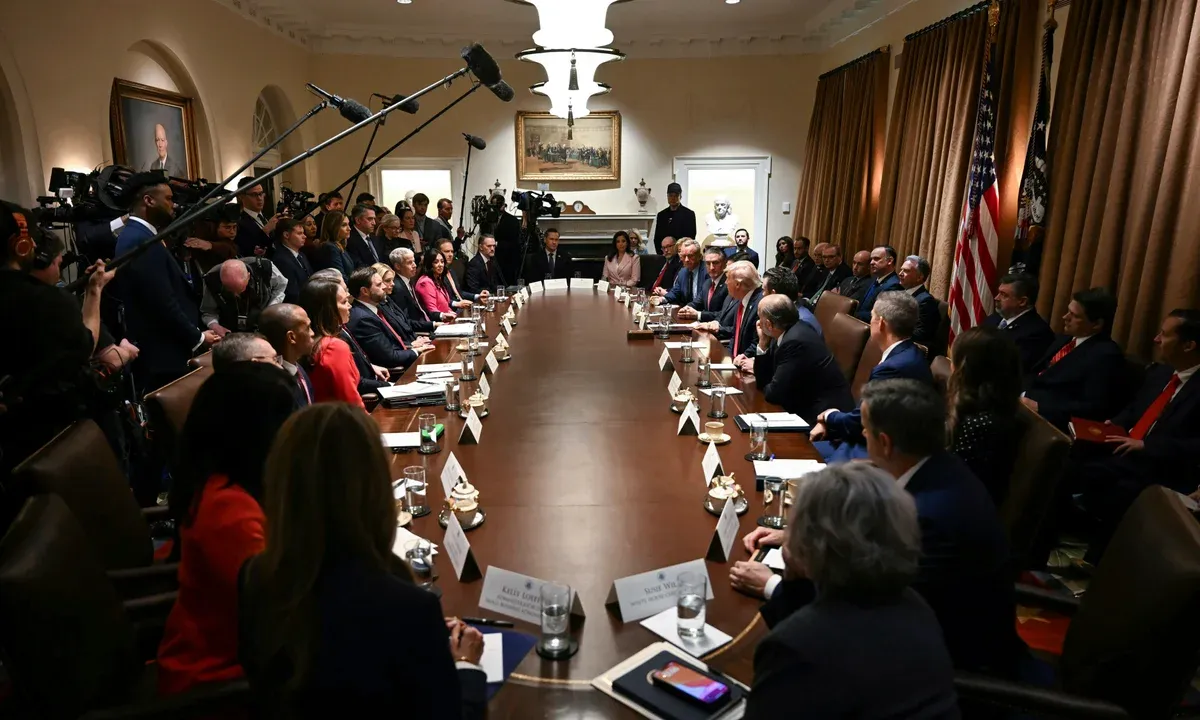
As Trump wrapped up his cabinet meeting, he made it clear: this administration was about profit, efficiency, and bold reforms. He reaffirmed his close ties with Chinese President Xi Jinping, claiming that their relationship would bring major investment into the U.S. And when it came to Ukraine, he stated that he would not make security guarantees “beyond very much,” instead placing the burden on Europe.
Musk, standing beside Trump, called it the “best cabinet ever” and doubled down on the idea that federal jobs should be treated like a business. “Mistakes will be made,” he admitted, referencing the brief cancellation of Ebola prevention, but assured that the administration would correct them quickly.
With swagger and confidence, Trump declared that his administration would balance the budget and get the country’s finances back in shape—whether that meant selling visas, cutting jobs, or opening up America’s most cherished lands for business. The message was clear: this was not just a new presidency—it was a hostile takeover of the U.S. government by special interests and corporate power.






0 comments