
Your Read is on the Way
Every Story Matters
Every Story Matters
The Hydropower Boom in Africa: A Green Energy Revolution Africa is tapping into its immense hydropower potential, ushering in an era of renewable energy. With monumental projects like Ethiopia’s Grand Ethiopian Renaissance Dam (GERD) and the Inga Dams in the Democratic Republic of Congo, the continent is gearing up to address its energy demands sustainably while driving economic growth.
Northern Kenya is a region rich in resources, cultural diversity, and strategic trade potential, yet it remains underutilized in the national development agenda.

Can AI Help cure HIV AIDS in 2025

Why Ruiru is Almost Dominating Thika in 2025

Mathare Exposed! Discover Mathare-Nairobi through an immersive ground and aerial Tour- HD

Bullet Bras Evolution || Where did Bullet Bras go to?
The search for the next Chairperson of Kenya’s Independent Electoral and Boundaries Commission (IEBC) is underway, and the stakes have never been higher. This position, left vacant after the exit of former chair Wafula Chebukati, holds enormous influence over the nation’s democratic framework.
The IEBC Chairperson is responsible for ensuring free, fair, and transparent elections, a task that has become increasingly complex in a politically charged environment. With the 2027 general elections on the horizon, this appointment is not just about filling a vacancy; it is about restoring public trust in the electoral process and safeguarding the integrity of Kenya’s democracy.
The interview process, which began on March 24, 2025, is being conducted by a seven-member selection panel led by Dr. Nelson Makanda. The panel is charged with an immense responsibility to identify a leader who not only possesses the technical knowledge to run Kenya’s electoral system but also has the moral fortitude to withstand political pressure. The candidates must convince the panel and the nation that they are capable of leading the IEBC with integrity, transparency, and an unwavering commitment to democratic principles.
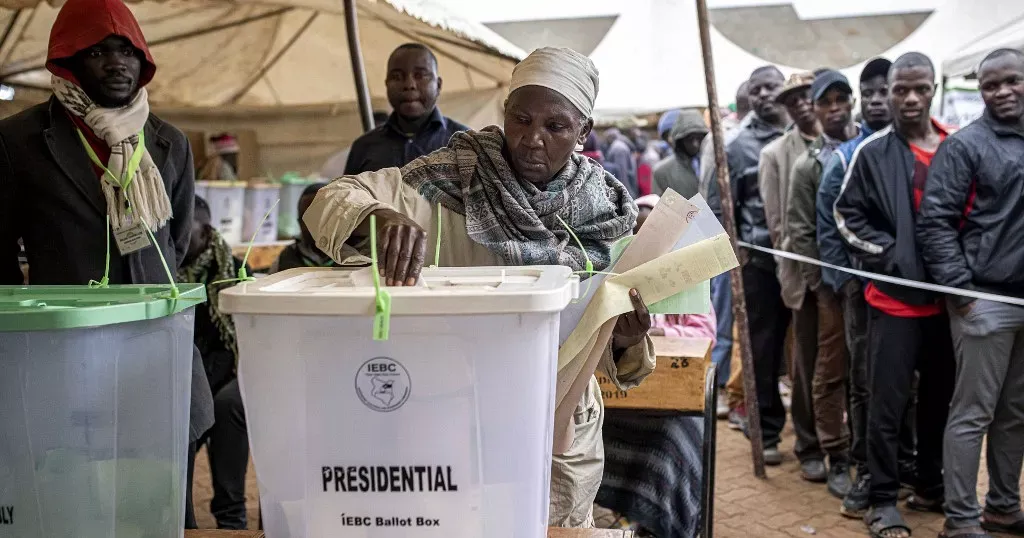
The appointment of a new IEBC Chairperson comes at a time when public confidence in the electoral system is fragile. Past elections in Kenya have been marred by allegations of vote-rigging, disputed results, and legal battles that have left many citizens disillusioned. The 2017 presidential election, for instance, was nullified by the Supreme Court, a historic first in Africa, due to irregularities and illegalities in the electoral process. Such events have deepened public skepticism and raised the stakes for the next electoral chief.
The individual chosen for this role will face the monumental task of rebuilding trust and ensuring future elections are beyond reproach. The chairperson’s duties extend beyond merely organizing elections. They must enforce the law, manage political tensions, and maintain the commission’s independence in the face of external pressures. For many Kenyans, the new appointment is a litmus test of the government’s commitment to free and fair democratic processes.
A diverse field of 11 candidates is vying for the prestigious but demanding position. These individuals come from various professional backgrounds, including law, public administration, and civil service. Each candidate brings unique experiences and visions for the future of Kenya’s electoral body. Over three days, the panel is meticulously scrutinizing each applicant’s qualifications, character, and understanding of the electoral process.
Here is a breakdown of the interview schedule:
Day 1 (March 24, 2025):
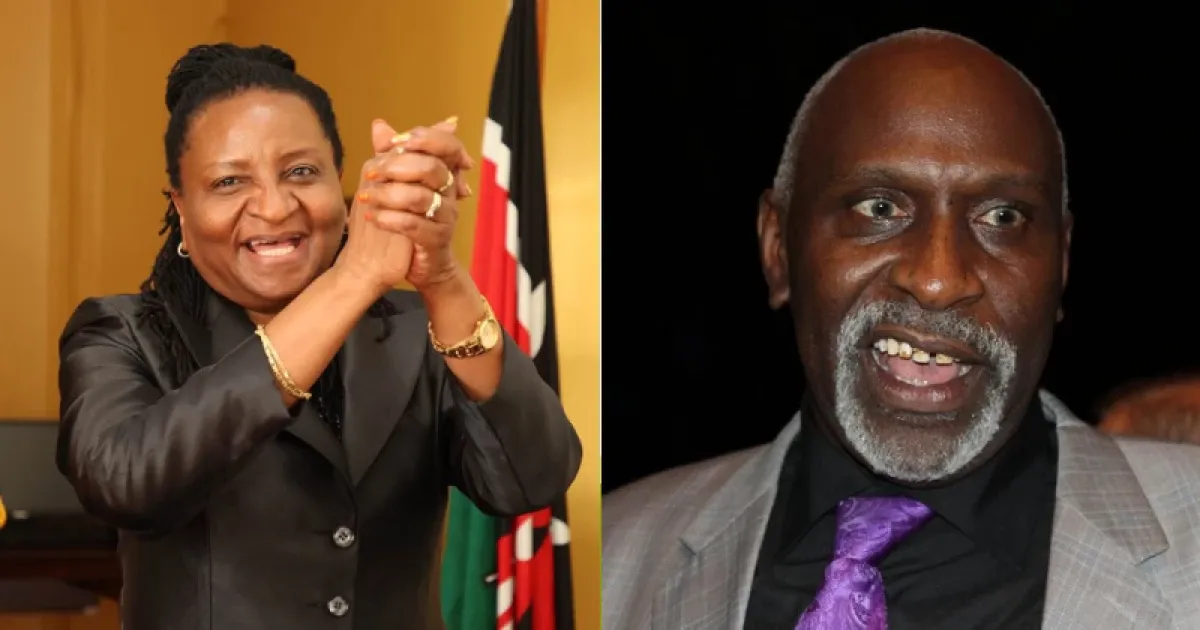
Abdulqadir Lorot H. Ramadhan – A legal expert with experience in constitutional matters.
Anne Atieno Amadi – A public servant known for her administrative prowess.
Charles Ayako Nyachae – An advocate with a history of engaging in public policy reform.
Edward Katama Ngeywa – A technocrat specializing in electoral systems and governance.
Day 2 (March 25, 2025):
Erastus Edung Ethekon – A human rights lawyer advocating for youth inclusion in leadership.
Francis Kakai Kissinger – A former public officer with expertise in legal frameworks.
Jacob Ngwele Muvengei – A seasoned policy advisor with experience in electoral law.
Joy Brenda Masinde-Mdivo – A legal scholar with a track record of defending electoral transparency.
Day 3 (March 26, 2025):
Lilian Wanjiku Manegene – A governance expert focused on public accountability.
Robert Akumu Asembo – A legal professional with experience in dispute resolution.
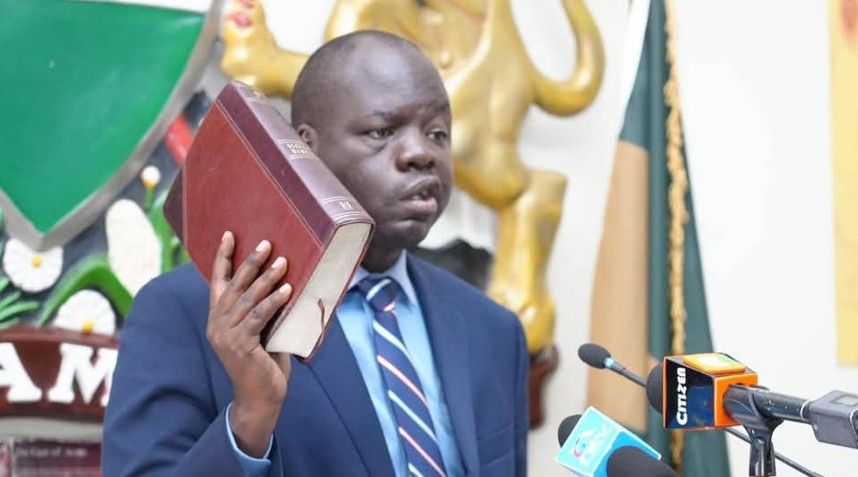
Saul Simiyu Wasilwa – A policy analyst with a focus on electoral fairness.
Each candidate is expected to outline their vision for the IEBC, explain how they would handle election-related disputes, and provide solutions to past failures. For instance, Erastus Ethekon has argued that age should not be a barrier to leadership, emphasizing that fresh perspectives are needed to address persistent electoral issues. Meanwhile, others have highlighted the importance of restoring public confidence through greater transparency and rigorous adherence to electoral laws.
A significant hallmark of this selection process is its openness to public engagement and scrutiny. In a bid to enhance transparency, the interviews are being broadcast live, allowing Kenyans to witness firsthand how candidates respond to tough questions. This public access aims to dispel fears of backroom deals and political interference, concerns that have plagued past appointments.
Beyond the live broadcasts, the selection panel has invited citizens to submit any information they might have regarding the candidates. This call for public participation ensures that no pertinent detail, whether positive or negative, escapes consideration. Such measures are crucial in a country where suspicions of political bias within the IEBC have led to violent post-election disputes in the past.
By involving the public and promoting transparency, the panel is signaling a commitment to a fair process. Kenyans hope that this openness will translate into a final decision that reflects the best interests of the nation rather than the agendas of political elites.
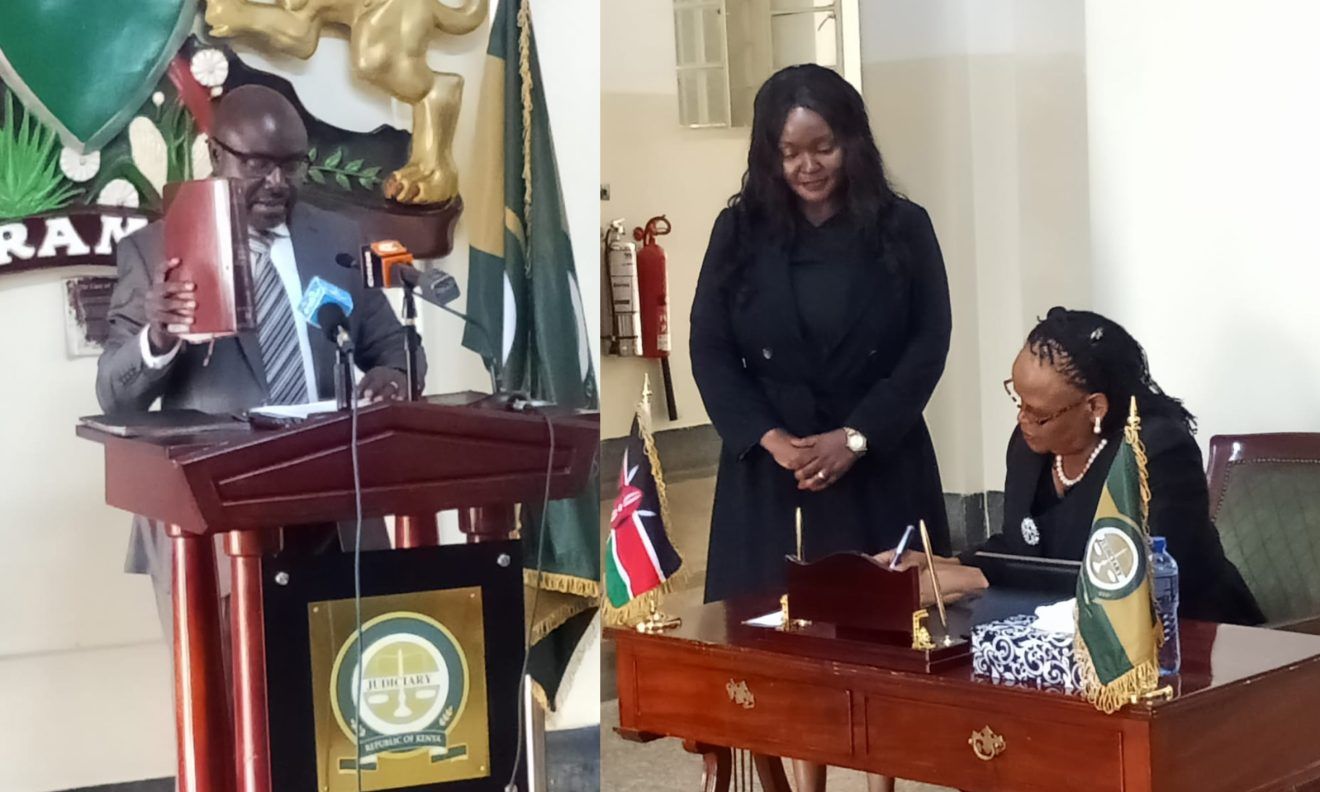
The next IEBC Chairperson will require a rare combination of technical, ethical, and interpersonal skills. Beyond managing the technical aspects of election logistics, the chairperson must also be a unifying figure capable of addressing public concerns while resisting external influence. The panel is expected to weigh candidates against several key qualities:
Unquestionable Integrity: The chairperson must demonstrate a history of ethical conduct and the ability to make impartial decisions.
Legal Expertise: A strong grasp of Kenya’s constitutional and electoral frameworks is essential to navigate complex legal challenges.
Crisis Management Skills: Electoral processes are fraught with uncertainty, so the ability to handle crises calmly is critical.
Public Engagement: The ability to communicate effectively and maintain transparency will be vital in building public trust.
Independence: The new chair must be immune to political pressures and committed to upholding the rule of law.
The panel’s decision will hinge on identifying an individual who embodies these traits while having the vision to strengthen the IEBC’s institutional integrity.
The outcome of this selection process has far-reaching consequences. With the 2027 general elections approaching, the new chairperson will oversee voter registration, ballot security, and the transmission of results, areas that have previously caused controversy. Failure to appoint a capable leader risks further eroding public confidence, increasing the likelihood of future electoral disputes.
Moreover, the new IEBC Chairperson will be instrumental in shaping Kenya’s democratic trajectory. In a region where election-related violence remains a recurring concern, the right leadership at the IEBC is vital to ensure stability. The panel’s decision will not only determine the future of Kenya’s elections but also reflect the nation’s commitment to democratic governance and institutional accountability.






0 comments