
Your Read is on the Way
Every Story Matters
Every Story Matters
The Hydropower Boom in Africa: A Green Energy Revolution Africa is tapping into its immense hydropower potential, ushering in an era of renewable energy. With monumental projects like Ethiopia’s Grand Ethiopian Renaissance Dam (GERD) and the Inga Dams in the Democratic Republic of Congo, the continent is gearing up to address its energy demands sustainably while driving economic growth.
Northern Kenya is a region rich in resources, cultural diversity, and strategic trade potential, yet it remains underutilized in the national development agenda.

Can AI Help cure HIV AIDS in 2025

Why Ruiru is Almost Dominating Thika in 2025
Mathare Exposed! Discover Mathare-Nairobi through an immersive ground and aerial Tour- HD

Bullet Bras Evolution || Where did Bullet Bras go to?
Homa Bay Town MP George Peter Kaluma has launched a scathing attack on the media for what he describes as irresponsible and unethical coverage of former Deputy President Rigathi Gachagua. According to Kaluma, the media has provided an unchecked platform for Gachagua to spread divisive rhetoric, which he warns could push Kenya toward political instability ahead of the 2027 elections. His concerns highlight the growing debate over the role of media in shaping political narratives and whether excessive coverage of controversial figures fuels tensions rather than informing the public.
Kaluma took to social media to express his frustrations, calling out journalists and media houses for what he perceives as an obsession with Gachagua’s inflammatory statements. He argued that by continuously airing the former Deputy President’s remarks, the media is not only legitimizing his divisive rhetoric but also indirectly encouraging a culture of political hostility. According to him, these statements are setting a dangerous precedent, allowing Gachagua to weaponize free speech in a way that could destabilize the country.
The MP’s sentiments have been echoed by Kisii Senator Richard Onyonka, who also condemned Gachagua’s repeated attacks on President William Ruto. Onyonka stated that while freedom of speech is a fundamental right, it should not be exploited to spread propaganda or incite unrest. He warned that continued unregulated media coverage of Gachagua’s statements could contribute to rising political tensions, potentially leading to a hostile electoral environment in 2027. This concern reflects a broader fear among politicians that Kenya’s volatile political landscape could be exacerbated by unchecked narratives in the press.
At the heart of this controversy is the question of whether the media is acting responsibly in its coverage of Gachagua. While journalists have a duty to report on significant political developments, critics argue that the excessive focus on figures like Gachagua, without proper scrutiny of their statements, creates an environment where misinformation and political grandstanding thrive. Kaluma believes that if the media does not take a more ethical approach, it risks becoming an enabler of political chaos rather than a neutral informer of the public.
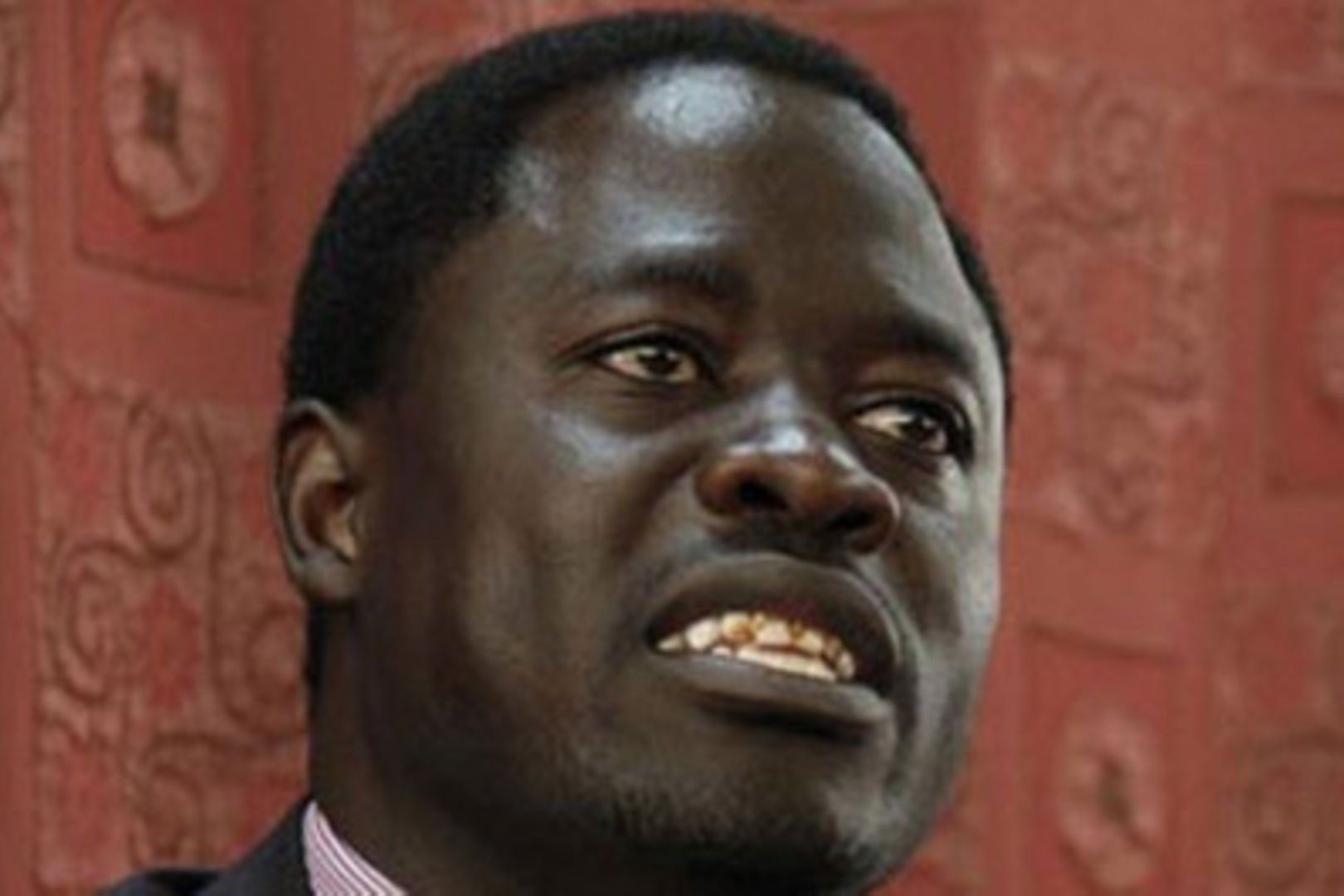
Gachagua, who was impeached in 2024, has remained one of the most vocal critics of the current government. His accusations against President Ruto range from claims of poor governance to allegations of betraying the interests of the Mount Kenya region. In a recent interview, he went as far as daring Ruto to arrest him, vowing to expose what he described as the “true face” of the administration. These remarks have sparked mixed reactions, with some seeing him as a necessary opposition voice in an increasingly authoritarian regime, while others accuse him of inciting division for personal gain.
The former Deputy President’s remarks have fueled speculation that he is positioning himself for a political comeback, possibly ahead of the 2027 elections. His persistent criticism of Ruto suggests that he aims to consolidate a support base within Mount Kenya, where dissatisfaction with the current administration has been brewing. Whether this strategy will work in his favor remains uncertain, but his statements have undeniably made him one of the most controversial figures in Kenyan politics today.
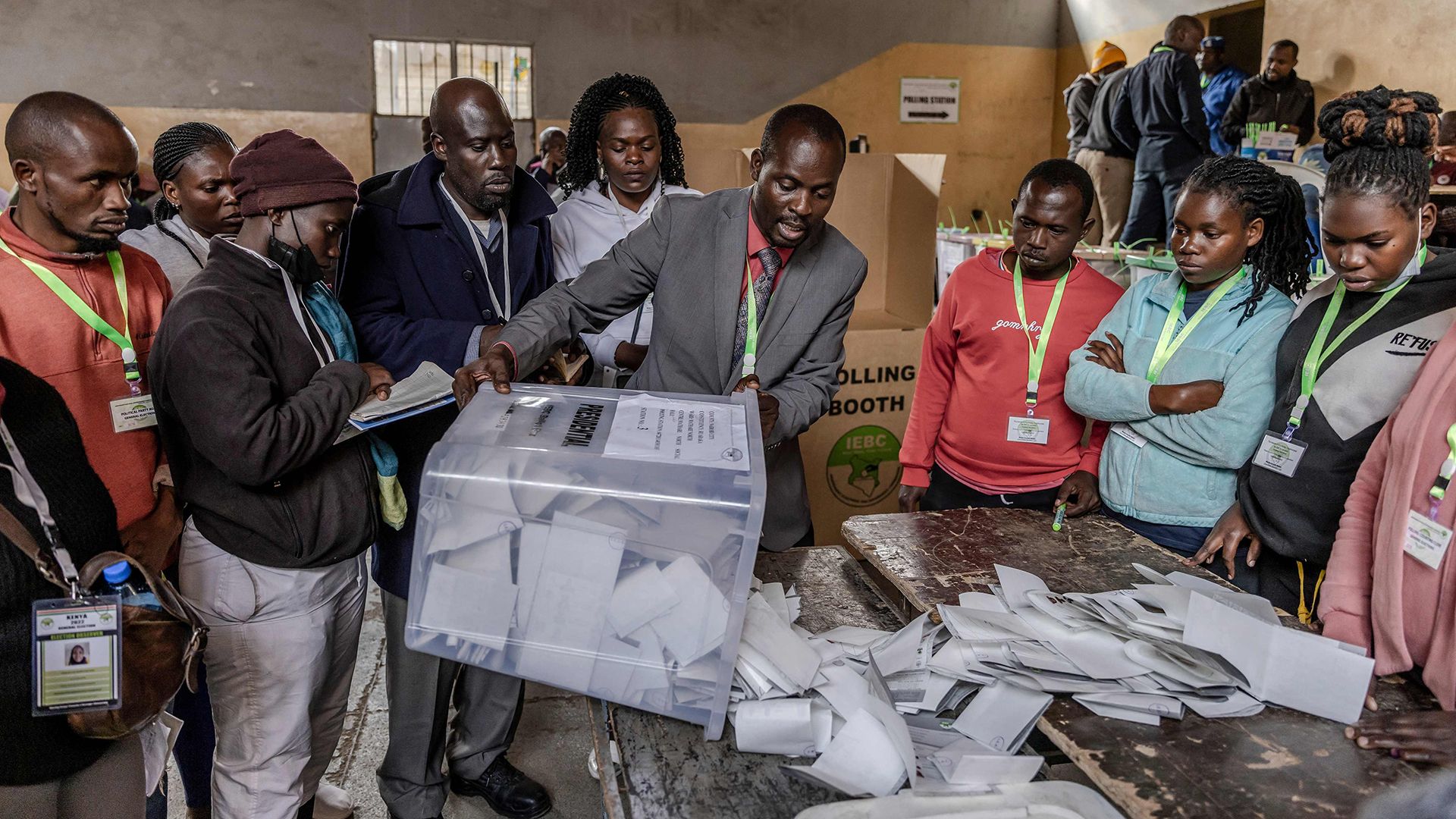
As the 2027 elections draw closer, fears of electoral violence are resurfacing. Kenya has a long history of politically motivated unrest, often fueled by leaders using ethnicity and regional identity as tools for mobilization. Kaluma’s warning that Gachagua’s rhetoric could lead to increased violence is not without merit, as past elections have demonstrated how unchecked political speech can quickly escalate into real-world consequences. The media’s role in either amplifying or mitigating such tensions is crucial, as it shapes public perception and influences political discourse.
The issue also raises broader questions about media regulation and press freedom. While restricting coverage of controversial figures could be seen as censorship, failing to hold them accountable for their statements could lead to the spread of misinformation and incitement. Media houses must strike a delicate balance—ensuring that they provide accurate and fair coverage without being complicit in fueling instability. Ethical journalism should prioritize fact-checking and contextual analysis rather than simply offering a platform for sensationalist politics.
Kenya’s political landscape is evolving, with shifting alliances and emerging power struggles ahead of the next election. As opposition figures like Gachagua continue to challenge the current leadership, the media will play a pivotal role in shaping how these conflicts unfold. The responsibility falls on journalists and media owners to decide whether they will be instruments of truth or facilitators of division. Given the country’s history, responsible reporting could mean the difference between a peaceful election and a politically charged crisis.
In the months leading up to 2027, all eyes will be on how political narratives develop and whether leaders, the media, and the public can navigate this period without plunging the country into chaos. The warning from Kaluma and other leaders should serve as a reminder that words have consequences, and the unchecked spread of divisive rhetoric could have lasting implications for Kenya’s democratic stability. It is now up to the media to determine whether they will continue to fan the flames of controversy or adopt a more responsible approach in their coverage of political discourse.






0 comments