
Your Read is on the Way
Every Story Matters
Every Story Matters
The Hydropower Boom in Africa: A Green Energy Revolution Africa is tapping into its immense hydropower potential, ushering in an era of renewable energy. With monumental projects like Ethiopia’s Grand Ethiopian Renaissance Dam (GERD) and the Inga Dams in the Democratic Republic of Congo, the continent is gearing up to address its energy demands sustainably while driving economic growth.
Northern Kenya is a region rich in resources, cultural diversity, and strategic trade potential, yet it remains underutilized in the national development agenda.

Can AI Help cure HIV AIDS in 2025
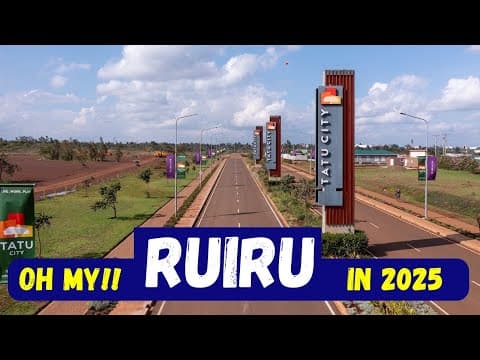
Why Ruiru is Almost Dominating Thika in 2025
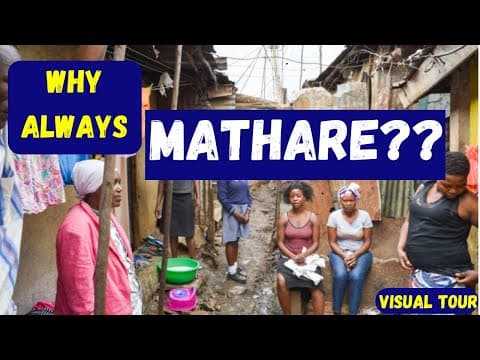
Mathare Exposed! Discover Mathare-Nairobi through an immersive ground and aerial Tour- HD

Bullet Bras Evolution || Where did Bullet Bras go to?
In what should have been a routine engagement on the future of Kenya’s creative economy, several Mt Kenya-based musicians found themselves caught in the heart of a political storm. The artists, drawn from across the region’s popular and traditional music scenes, were invited to a sit-down with Deputy President Kithure Kindiki.
The meeting aimed to explore long-standing issues facing performers, such as unfair revenue models, exploitation by event promoters, and lack of enforcement on intellectual property rights. However, the forum’s noble intentions were quickly overshadowed by political interpretations, sparking a furious reaction from one of the region’s most influential political voices—former Deputy President Rigathi Gachagua.
What began as a policy-focused discussion has since unraveled into a politically charged spectacle. The artists, some of whom praised the government’s Social Health Insurance Fund during the meeting, have now found themselves accused of disloyalty and betrayal—not for their music, but for their mere presence at a government-hosted event. In Kenya's charged political climate, attending the wrong meeting has suddenly become a career hazard.
Former Deputy President Gachagua wasted no time unleashing his displeasure, accusing the musicians of betraying the Mt Kenya region’s political agenda. In a fiery speech laced with frustration and sarcasm, Gachagua declared that the artists had, by visiting Kindiki’s residence, effectively aligned themselves with rival political forces. As a result, he called for a sweeping boycott of their music. The consequences of such a directive, if heeded by loyal supporters, would be career-threatening.
Gachagua’s words were sharp and personal. He claimed that the musicians had gone to beg for forgiveness from leaders he believes are undermining the region’s unity. He even took jabs at one particular artist, suggesting they were unfit to represent people due to their lack of education and falsely accusing them of tarnishing his image and political movement. These comments were more than political rhetoric—they were designed to send a chilling message to any other artists thinking of stepping out of line.
In the wake of Gachagua’s outburst, many musicians who attended the meeting with the Deputy President have begun facing the consequences. Event promoters, wary of the political heat, are reportedly avoiding artists named in Gachagua’s remarks. Social media users aligned with his faction have launched online campaigns questioning the artists’ loyalty and demanding accountability. Some musicians have privately expressed regret, saying they never anticipated that engaging with national leaders on industry reforms would be weaponized against them.
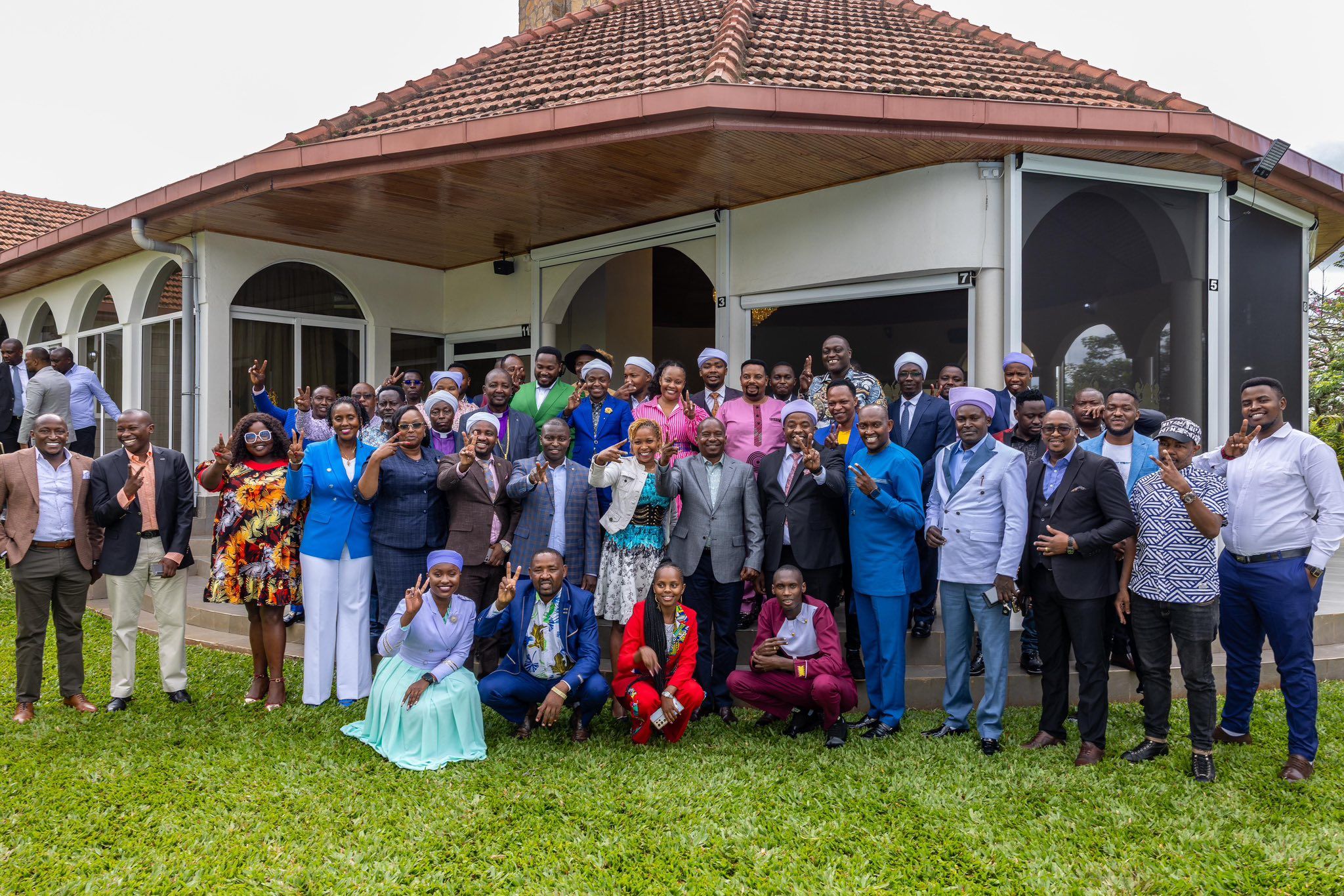
Instead of being acknowledged for advocating structural support for the entertainment industry, the musicians are now navigating the fallout of being labeled politically compromised. The backlash has not only hurt their reputations but threatens to reverse years of hard-earned credibility and growth in a sector already struggling with limited protections and financial instability.
The incident has underscored the perilous overlap between culture and politics in Kenya. For decades, the arts have served as a mirror to the nation’s social and political landscape, but rarely has the line between performance and politics been so dangerously thin. Artists who once enjoyed autonomy are now finding themselves required to pick sides, with consequences looming over their choices. Rather than being seen as advocates for economic justice and cultural preservation, performers are increasingly evaluated based on who they align with politically.
This is not just a Mt Kenya problem—it is a broader Kenyan dilemma. If artists are no longer free to engage with leaders of any stripe in pursuit of their rights, then the creative space becomes another casualty of Kenya’s divisive politics. Gachagua’s ultimatum, regardless of intent, sets a dangerous precedent where cultural expression is dependent on political loyalty rather than artistic merit or social value.
As the dust continues to settle, Mt Kenya’s creative industry finds itself at a critical crossroads. The call for reforms—more equitable contracts, intellectual property protections, government support—remains as urgent as ever. But the political weaponization of a development meeting has put a chill on further engagements. Some musicians are choosing silence. Others are quietly seeking legal advice and public relations help to navigate the storm.
What’s at stake is more than careers; it is the region’s cultural vitality. Artists have long been community ambassadors, using music to inspire, unite, and educate. If their influence is now filtered through a political lens, the region risks silencing some of its most authentic and impactful voices. The long-term question is this: will musicians remain pawns in political chess games, or will they reclaim their space as respected creators and stakeholders in national development?






0 comments