
Your Read is on the Way
Every Story Matters
Every Story Matters
The Hydropower Boom in Africa: A Green Energy Revolution Africa is tapping into its immense hydropower potential, ushering in an era of renewable energy. With monumental projects like Ethiopia’s Grand Ethiopian Renaissance Dam (GERD) and the Inga Dams in the Democratic Republic of Congo, the continent is gearing up to address its energy demands sustainably while driving economic growth.
Northern Kenya is a region rich in resources, cultural diversity, and strategic trade potential, yet it remains underutilized in the national development agenda.

Can AI Help cure HIV AIDS in 2025

Why Ruiru is Almost Dominating Thika in 2025

Mathare Exposed! Discover Mathare-Nairobi through an immersive ground and aerial Tour- HD

Bullet Bras Evolution || Where did Bullet Bras go to?
Turkey is once again at the center of global attention as the arrest of Istanbul Mayor Ekrem İmamoğlu triggers mass protests across the country. İmamoğlu, a leading opposition figure and a prominent critic of President Recep Tayyip Erdoğan, faces charges of corruption and alleged ties to terrorism. For many, his detention is not just a legal matter—it is a symbol of a broader struggle for democracy against authoritarian overreach.
The arrest has amplified existing concerns regarding the Turkish government’s increasing tendency to silence opposition voices and suppress political dissent. As tensions rise, many are questioning whether Turkey’s democratic foundations can withstand these authoritarian pressures or whether the country is sliding further into one-party dominance.
Ekrem İmamoğlu’s arrest marks a critical turning point in Turkey’s political landscape and has stirred both domestic and international outrage. Turkish authorities claim that his detention stems from accusations of corruption linked to the awarding of public contracts and alleged communication with groups designated as terrorist organizations. These claims have been strongly denied by İmamoğlu and his supporters, who argue that the charges are baseless and politically motivated. Critics say the arrest is a transparent attempt to remove a key opposition figure ahead of the upcoming general elections, especially given İmamoğlu’s increasing popularity and his ability to unite various factions opposed to Erdoğan’s government.
İmamoğlu rose to national prominence after his surprise victory in the 2019 Istanbul mayoral race. His win was a significant blow to Erdoğan’s ruling Justice and Development Party (AKP), as Istanbul had been under the party’s control for more than two decades. His success was viewed as a sign that the Turkish public was growing weary of Erdoğan’s authoritarian tendencies and economic mismanagement. Since then, İmamoğlu has become a powerful symbol of political resistance and a potential challenger for the presidency. For Erdoğan’s critics, the timing of his arrest suggests a calculated move to neutralize a rising political star before he can mount a serious electoral challenge.
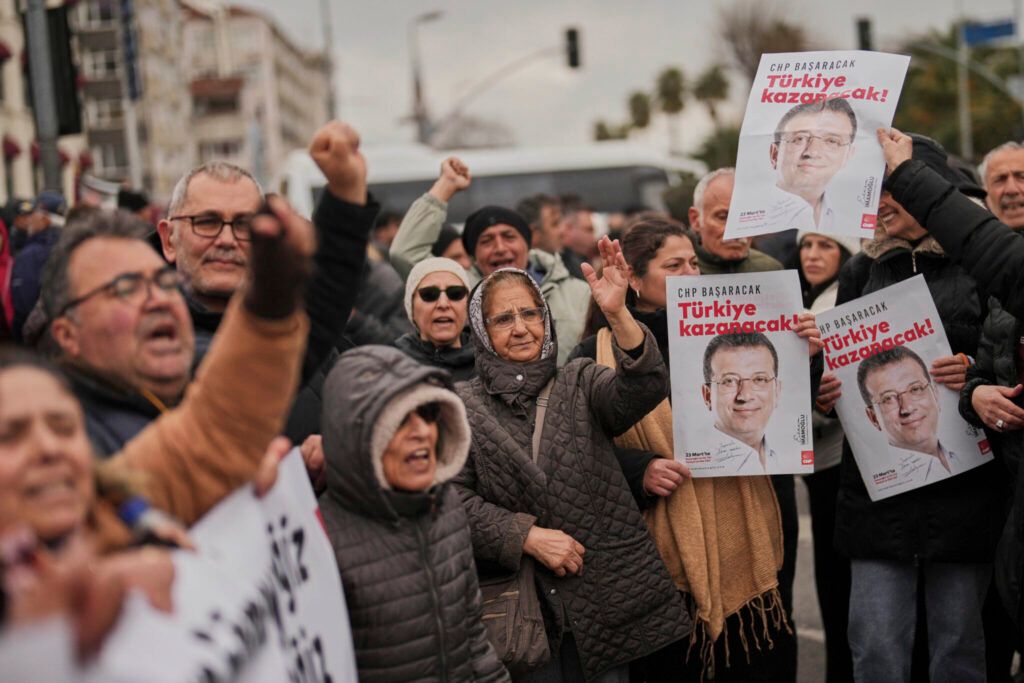
The public’s reaction to İmamoğlu’s arrest was immediate, widespread, and intense. Within hours of the news breaking, thousands of people flooded the streets of Istanbul in a spontaneous outpouring of anger and defiance. Protesters carried banners reading "Justice for Ekrem" while chanting slogans condemning government oppression and calling for an end to Erdoğan’s rule. What began as a localized demonstration quickly escalated into a nationwide movement as protests erupted in major cities like Ankara, İzmir, and Antalya. The demonstrations have drawn a broad cross-section of Turkish society, including students, labor unions, civil rights groups, and ordinary citizens concerned about the future of their country.
For many participants, the protests are not just about İmamoğlu’s arrest. They represent a larger fight against authoritarianism and the erosion of democratic freedoms. Protesters argue that if the government can imprison a popular opposition leader on dubious charges, no political figure or ordinary citizen is safe from persecution. This sentiment has fueled a sense of urgency and determination among demonstrators who see the current crisis as a pivotal moment in Turkey’s democratic history.
The Turkish government has responded to the protests with a heavy hand, implementing a series of measures to suppress dissent and restore order. Authorities have imposed bans on public gatherings, citing concerns over national security and the need to maintain public order. This legal maneuver allows the government to break up demonstrations and arrest participants without cause. In major urban centers, riot police have been deployed in large numbers. Reports from the ground indicate that security forces have used tear gas, water cannons, and rubber bullets to disperse protesters, leading to violent clashes and numerous injuries.
In addition to physical crackdowns, the government has also moved to restrict the digital sphere. Access to social media platforms, including Twitter, Facebook, and WhatsApp, has been severely limited. This tactic is commonly used by the Turkish government during moments of political crisis to prevent protesters from organizing and to control the public narrative. Despite these efforts, images and videos of police violence and mass protests continue to circulate online through encrypted channels and international media outlets.
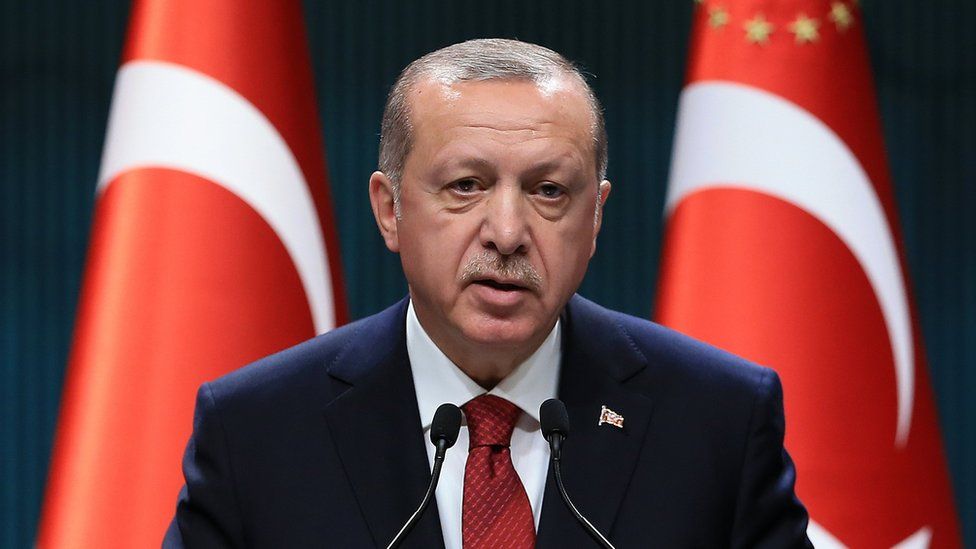
The government’s harsh response has only intensified public anger and further galvanized opposition to Erdoğan’s administration. Many critics argue that these actions are part of a broader pattern of authoritarianism in which the ruling party uses the judiciary and security forces to maintain its grip on power while silencing any form of dissent.
The political crisis surrounding İmamoğlu’s arrest has had immediate and profound effects on Turkey’s already fragile economy. In the days following the arrest, the Turkish lira experienced a sharp decline against major global currencies, reflecting a lack of investor confidence in the country’s stability. This sudden devaluation has exacerbated existing economic challenges, including soaring inflation and high levels of unemployment.
In an attempt to prevent a full-scale financial crisis, the Turkish government has intervened in the currency markets by spending billions in foreign reserves to stabilize the lira. However, economic analysts warn that these measures are unsustainable in the long run and may worsen the country’s fiscal problems. The ongoing unrest has also raised concerns about Turkey’s ability to attract foreign investment, as businesses grow increasingly wary of operating in a politically volatile environment.
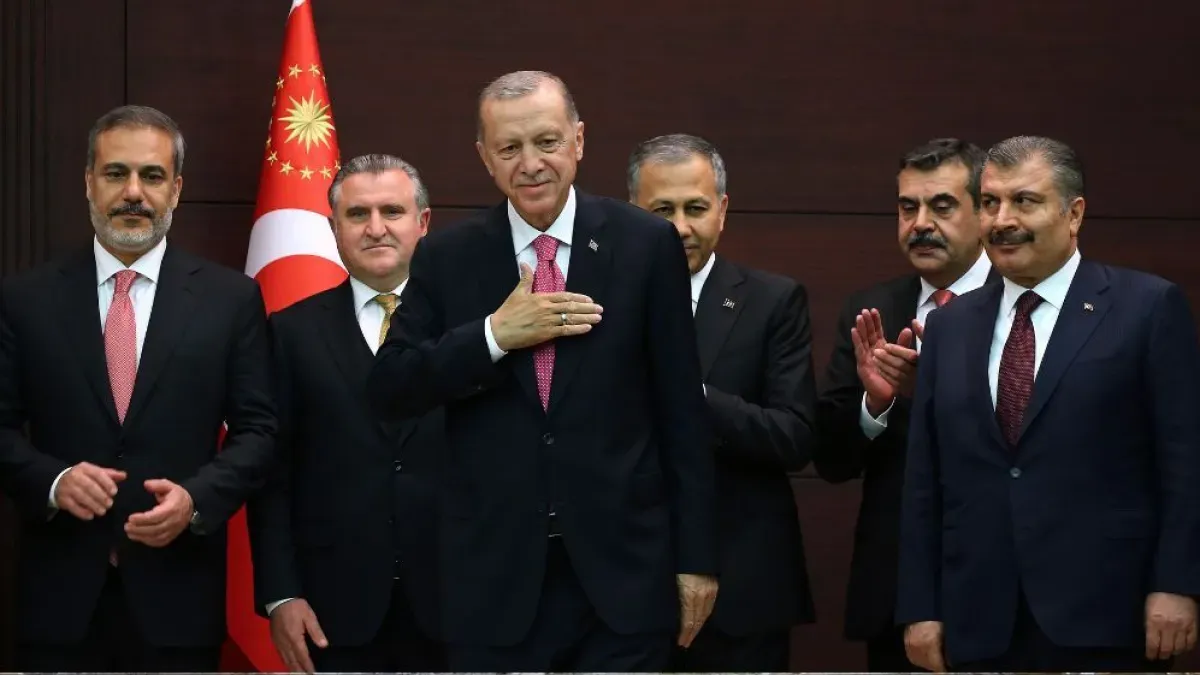
For ordinary Turkish citizens, the economic fallout is deeply personal. Many are already struggling with rising food and energy prices, and the weakening currency threatens to push more people into poverty. The political crisis has intensified fears about the country’s economic future, with many worried that further crackdowns could trigger capital flight and deepen the financial turmoil.
The arrest of Ekrem İmamoğlu has sparked widespread condemnation from the international community. Human rights organizations, foreign governments, and global institutions have all expressed serious concerns about the implications of his detention for Turkey’s democratic future. Many view his arrest as part of a broader pattern of judicial harassment used to target opposition figures and silence dissent.
The European Union has been particularly vocal, warning that Turkey’s continued crackdown on political opposition could jeopardize its long-standing bid for EU membership. The United States has also issued statements urging the Turkish government to respect democratic norms and release İmamoğlu immediately. Additionally, international watchdog groups have called for an independent investigation into the charges, arguing that the Turkish judiciary lacks impartiality under Erdoğan’s influence.
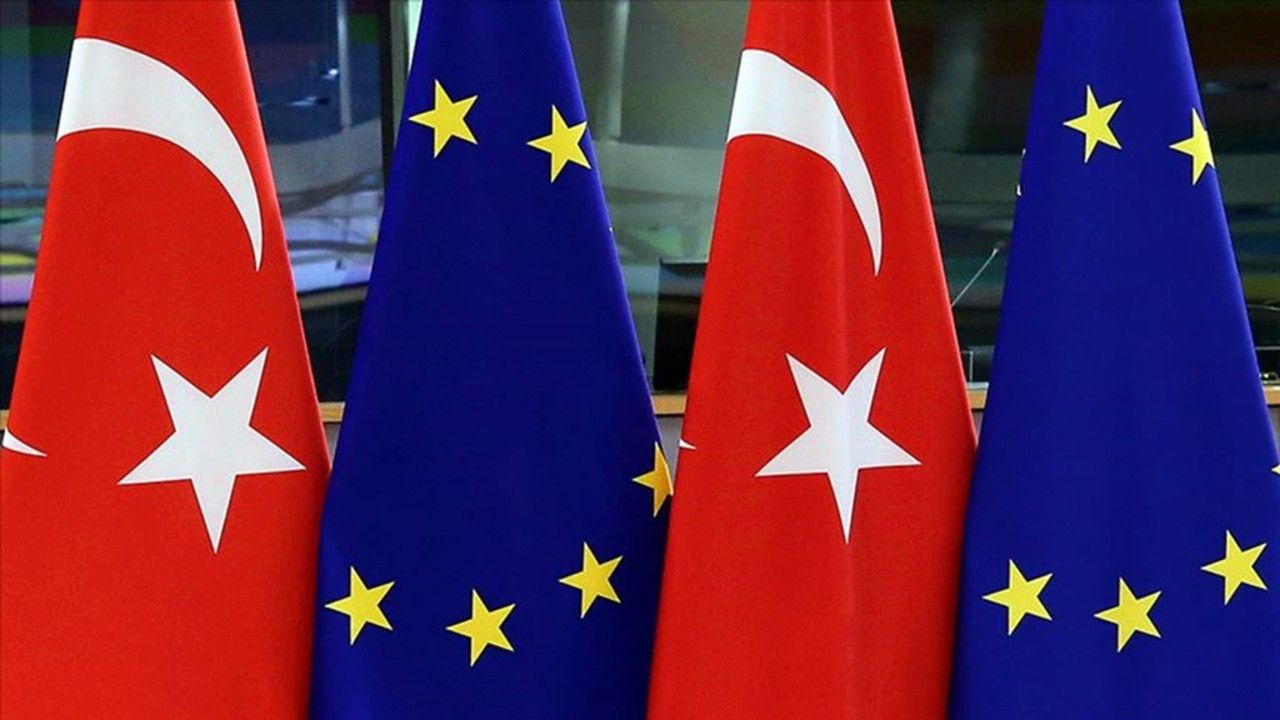
The diplomatic fallout could have long-term consequences for Turkey’s global standing. If the government continues down this path, it risks further isolation from Western allies and increased scrutiny from human rights bodies.
At the core of this unfolding crisis lies a fundamental question about Turkey’s democratic future. For years, there have been growing concerns about the country’s shift toward authoritarianism as Erdoğan consolidates power and undermines democratic institutions. The arrest of a high-profile opposition leader like İmamoğlu intensifies these fears and raises the stakes for the upcoming elections.
For many Turkish citizens, the protests are not just about one politician—they represent a fight for their basic rights and freedoms. The growing movement reflects a widespread belief that democracy itself is under siege. The government’s harsh response only strengthens the conviction that the battle for Turkey’s future is far from over.
The coming weeks will be crucial in determining the direction Turkey will take. Several key developments to watch include the legal proceedings against İmamoğlu, the sustainability of the protests, and the international community’s response. If the opposition remains united and public pressure continues to mount, Erdoğan’s government may face its most serious challenge yet.
One thing is clear—the echoes of dissent are growing louder, and their impact will be felt long after the protests subside.




0 comments