
Your Read is on the Way
Every Story Matters
Every Story Matters
The Hydropower Boom in Africa: A Green Energy Revolution Africa is tapping into its immense hydropower potential, ushering in an era of renewable energy. With monumental projects like Ethiopia’s Grand Ethiopian Renaissance Dam (GERD) and the Inga Dams in the Democratic Republic of Congo, the continent is gearing up to address its energy demands sustainably while driving economic growth.
Northern Kenya is a region rich in resources, cultural diversity, and strategic trade potential, yet it remains underutilized in the national development agenda.

Can AI Help cure HIV AIDS in 2025

Why Ruiru is Almost Dominating Thika in 2025

Mathare Exposed! Discover Mathare-Nairobi through an immersive ground and aerial Tour- HD

Bullet Bras Evolution || Where did Bullet Bras go to?
In a high-stakes special election that captured national attention, the Republican Party secured a significant win in Florida, further cementing its grip on the U.S. House of Representatives. The GOP candidate, riding on a wave of conservative enthusiasm and party loyalty, managed to defeat his Democratic challenger despite a fiercely contested race. This victory not only strengthens the Republican majority in the House but also serves as a barometer for the broader political landscape as the country gears up for the next election cycle.
The election, held to fill a vacant congressional seat, drew considerable attention from both parties, with millions of dollars pouring into campaign efforts. Republicans, armed with a message focused on economic growth, border security, and opposition to what they term as “radical liberal policies,” managed to rally their base effectively. Meanwhile, Democrats sought to make the case for progressive reforms, healthcare expansion, and stronger environmental protections. Yet, despite their efforts and substantial fundraising, the party ultimately fell short in a district that, while traditionally conservative, showed signs of shifting political sentiment.
One of the most defining factors of the Republican victory was the influence of high-profile endorsements. The backing of major GOP figures, including former President Donald Trump, played a crucial role in energizing Republican voters and solidifying support for the party’s candidate. This election further showcased Trump’s continued hold over the Republican Party, as his endorsement carried significant weight in a state where his political influence remains strong.

Beyond endorsements, the GOP’s grassroots strategy was instrumental in securing this win. Republican operatives focused on direct voter outreach, utilizing door-to-door canvassing, local events, and digital advertising to drive turnout. Targeting key demographics such as suburban conservatives, working-class voters, and retirees, the campaign ensured that voter engagement remained high despite concerns about turnout in an off-cycle election. In contrast, the Democratic campaign struggled to generate the same level of enthusiasm, with voter turnout among younger and more progressive demographics failing to match expectations.
Although Republicans celebrated their victory, the election results were not without warning signs for the party. While the GOP maintained its hold on the district, the margin of victory was narrower than in previous cycles, signaling a potential shift in voter attitudes. This suggests that, while Democrats failed to flip the seat, their messaging and outreach strategies are gradually resonating with a portion of the electorate.
The Democratic candidate, despite the loss, managed to significantly close the gap in what has traditionally been a Republican stronghold. This signals that shifting demographics, changing economic concerns, and frustration with certain GOP policies may be creating vulnerabilities that Democrats can exploit in future elections. However, their inability to secure a win highlights the ongoing challenges the party faces in appealing to swing voters and mobilizing turnout in key districts.
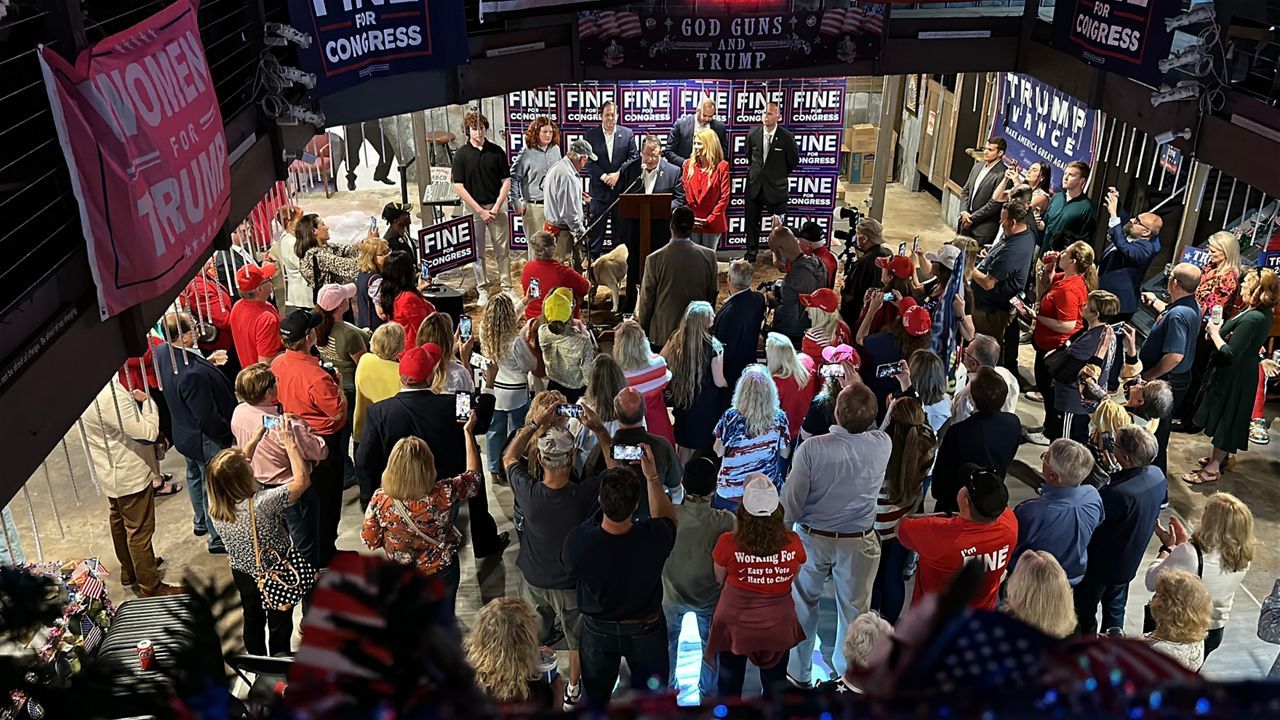
This special election serves as a microcosm of the broader national political battle, offering key insights into voter behavior and party strategies. For Republicans, the victory reinforces their current playbook of leveraging conservative policies, embracing Trump’s influence, and focusing on grassroots mobilization. However, the narrowing margin of victory suggests that simply relying on past successes may not be enough to ensure long-term dominance. The party will need to adapt to an evolving electorate while maintaining its base of support.
For Democrats, this election is both a disappointment and a learning opportunity. While the loss is a setback, the close contest indicates that the party is making inroads, even in traditionally red districts. Moving forward, Democrats will need to refine their messaging, improve voter outreach, and find ways to counter the Republican Party’s strong ground-game efforts. If they can build on this momentum, future elections could yield different results, particularly as key national issues continue to evolve.

As both parties dissect the results of this special election, one thing is clear. Florida remains a key battleground, and its political future is far from settled. While Republicans have successfully defended their territory, Democrats are proving that they are gaining ground, even in districts where they were once considered long shots. With upcoming elections on the horizon, the lessons learned from this contest will shape campaign strategies and influence the balance of power in Washington.
As political dynamics continue to shift, both parties must remain adaptable, recognizing that voter priorities are constantly evolving. This special election may have ended in a Republican victory, but the road ahead remains unpredictable, with each side preparing for the next battle in America’s ever-changing political landscape.






0 comments