
Your Read is on the Way
Every Story Matters
Every Story Matters
The Hydropower Boom in Africa: A Green Energy Revolution Africa is tapping into its immense hydropower potential, ushering in an era of renewable energy. With monumental projects like Ethiopia’s Grand Ethiopian Renaissance Dam (GERD) and the Inga Dams in the Democratic Republic of Congo, the continent is gearing up to address its energy demands sustainably while driving economic growth.
Northern Kenya is a region rich in resources, cultural diversity, and strategic trade potential, yet it remains underutilized in the national development agenda.
Can AI Help cure HIV AIDS in 2025
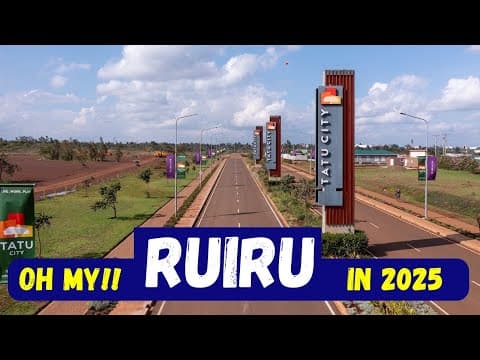
Why Ruiru is Almost Dominating Thika in 2025

Mathare Exposed! Discover Mathare-Nairobi through an immersive ground and aerial Tour- HD

Bullet Bras Evolution || Where did Bullet Bras go to?
In an unexpected political twist, President William Ruto and former Prime Minister Raila Odinga sealed an alliance through a Memorandum of Understanding (MoU) on March 7, 2025. The move, which came as a shock to many, signals a seismic shift in Kenya’s political landscape, one that could redefine the balance of power ahead of the next general elections.
The MoU, signed at the Kenyatta International Convention Centre (KICC), was presented as a deal aimed at fostering national unity and cooperative governance. However, reactions have been deeply polarized, with critics questioning the motives behind this newfound alliance.
While Ruto and Raila insist that their collaboration is rooted in the need to push national reforms, political analysts argue that the deal is more about self-preservation than service to the people. Some believe that Ruto, wary of Raila’s historical ability to shake up political systems, has strategically pulled him into his camp to neutralize any opposition ahead of 2027.
For Raila, who has spent decades challenging the establishment, this move signals a shift in strategy. Could it be that he is now seeking relevance within the system rather than battling it from the outside? Or is this an opportunity for him to influence governance from within?
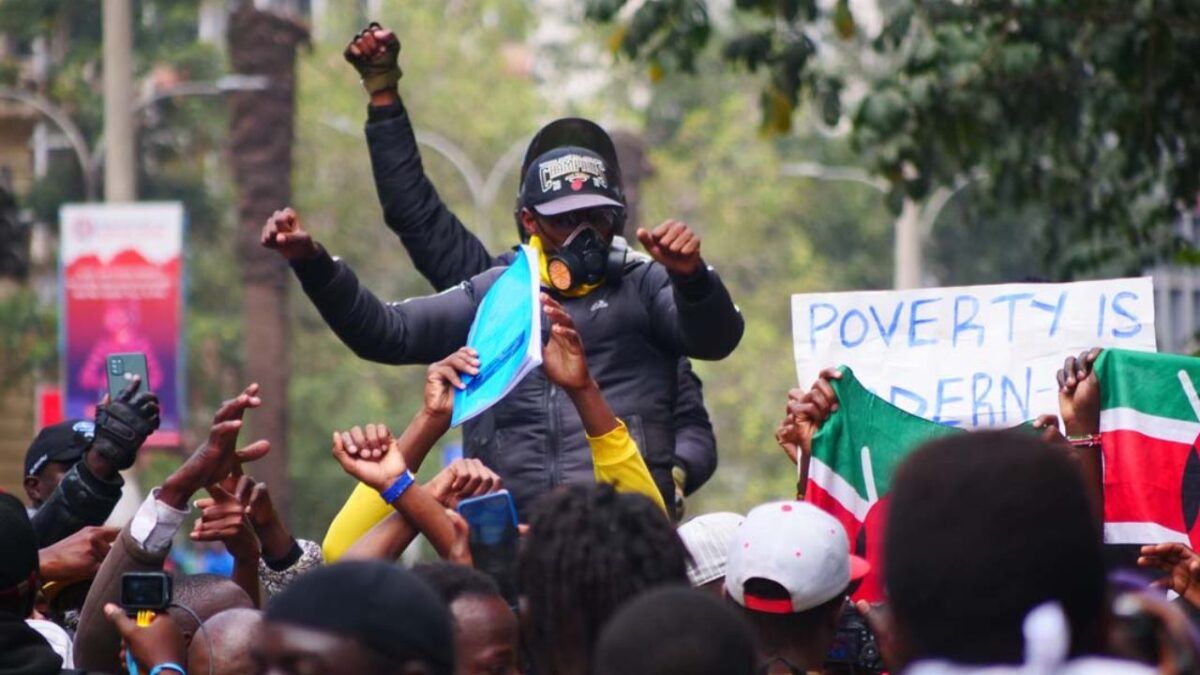
The announcement of the Ruto-Raila deal has been met with fierce criticism, especially from opposition figures and allies of both leaders. Embakasi North MP James Gakuya did not mince words, accusing Raila of betraying the opposition’s cause and aligning with power for personal gain.
"Raila has always positioned himself as a champion of the people. Now, he’s standing on the same side as the government. How can he fight for the people while eating from the same plate as those in power?" Gakuya questioned.
Similarly, Wiper Party leader Kalonzo Musyoka called the MoU “the greatest betrayal of Kenyans,” while Busia Senator Okiya Omtatah openly condemned the agreement, arguing that it undermines the push for genuine reforms.
With Raila and Ruto now seemingly on the same page, the implications of this alliance are far-reaching. The deal is expected to alter the distribution of power in Parliament, shift key committee positions, and influence government appointments, including ambassadorial postings.
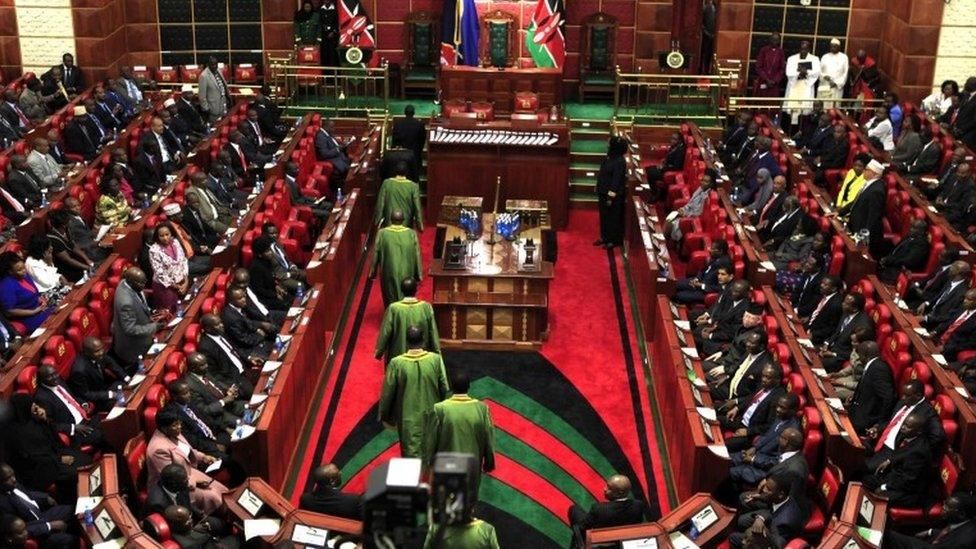
Some insiders suggest that this could be an opportunity for Kenya to move past its divisive electoral politics and focus on development. Others warn that it could be a strategic move to consolidate power and eliminate opposition voices.
As Kenyans digest this surprising alliance, one question remains: Will this grand bargain deliver the change it promises, or will it turn out to be yet another political mirage?
Only time will tell whether Ruto and Raila have secured a masterstroke or walked into a political minefield.






0 comments