
Your Read is on the Way
Every Story Matters
Every Story Matters
The Hydropower Boom in Africa: A Green Energy Revolution Africa is tapping into its immense hydropower potential, ushering in an era of renewable energy. With monumental projects like Ethiopia’s Grand Ethiopian Renaissance Dam (GERD) and the Inga Dams in the Democratic Republic of Congo, the continent is gearing up to address its energy demands sustainably while driving economic growth.
Northern Kenya is a region rich in resources, cultural diversity, and strategic trade potential, yet it remains underutilized in the national development agenda.

Can AI Help cure HIV AIDS in 2025

Why Ruiru is Almost Dominating Thika in 2025

Mathare Exposed! Discover Mathare-Nairobi through an immersive ground and aerial Tour- HD

Bullet Bras Evolution || Where did Bullet Bras go to?
Mt. Kenya has long been a formidable force in Kenyan politics, often playing the role of kingmaker in presidential elections. The region, known for its economic prowess and vast voter base, overwhelmingly supported Ruto in the 2022 elections. However, the political landscape has shifted dramatically in the past year, threatening the once-solid alliance between the President and the region’s leaders.
At the heart of this transformation is the fallout following the impeachment of former Deputy President Rigathi Gachagua. The decision, which many in Mt. Kenya saw as a betrayal, ignited resentment and exposed cracks in Ruto’s support system. Gachagua, a staunch advocate for the region’s interests, had positioned himself as the de facto leader of Mt. Kenya. His removal was perceived as an attack not just on him personally, but on the entire community, creating a sense of political alienation.
Since then, Gachagua has launched a relentless campaign against Ruto, portraying him as a leader who has abandoned the promises made to Mt. Kenya. With rising frustration over economic hardships, stalled development projects, and what some perceive as an imbalance in government appointments, the President now finds himself in a delicate position—one where failure to address grievances could cost him significant political capital.
His meeting with Mt. Kenya leaders at State House, Nairobi, was the first step in his attempt to salvage relations. But will it be enough?
The political undercurrents in Mt. Kenya are complex, with multiple factions vying for influence. Ruto, once seen as the champion of the region’s economic revival, is now facing competition from both within his government and external political forces.

Gachagua’s removal left a leadership vacuum that various leaders are attempting to fill. Some politicians have positioned themselves as the new voices of the region, seeking to exploit the growing dissatisfaction with the President. Among them are vocal governors and members of Parliament who argue that the region is being sidelined in the national power structure.
At the same time, opposition figures have seized the moment, attempting to woo Mt. Kenya voters by highlighting unfulfilled promises. Their message is resonating, particularly among business communities who had hoped for economic relief under Ruto’s administration but have instead faced rising costs and taxation pressures.
Against this backdrop, Ruto’s visit to Mt. Kenya is not just about placating disgruntled leaders—it is about reasserting his political authority before opposition forces capitalize on the situation.
Beyond politics, the heart of the discontent in Mt. Kenya lies in economic struggles. The region, known for its tea, coffee, and dairy farming, has been grappling with fluctuating prices and market instability. Farmers feel abandoned, with many blaming government policies for their financial woes.
During the State House meeting, discussions revolved around revitalizing the agricultural sector. Ruto assured leaders that his administration is committed to restructuring the coffee and tea industries to ensure fair pricing and eliminate middlemen who exploit farmers. Plans were also laid out to introduce subsidies on farm inputs and improve cooperative management to enhance productivity.
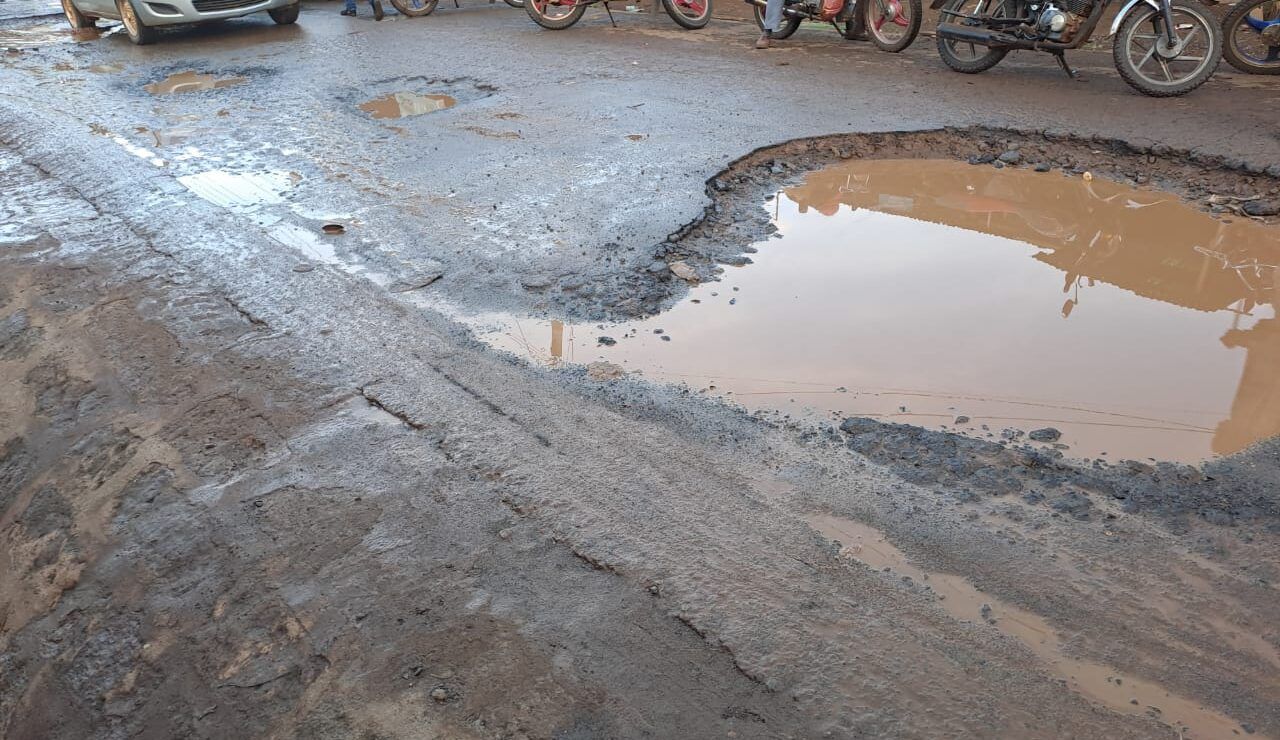
Another key concern is infrastructure. While the President had promised major road expansions and housing projects, some of these developments have stalled, fueling frustration. Leaders pushed for increased funding to fast-track key projects, emphasizing the need for better road networks to support agribusiness and commerce.
The President also discussed the establishment of new fresh produce markets, particularly in urban centers, to help farmers access better prices for their produce. These markets are expected to provide a direct link between producers and consumers, cutting out exploitative intermediaries.
For Ruto, the challenge is more than just delivering economic benefits—it is about perception. In politics, perception often matters just as much as reality. If the people of Mt. Kenya feel sidelined or ignored, no amount of policy initiatives will repair the damage.
During his visit, Ruto will have to walk a fine line between appeasing his critics and maintaining his authority. He must reassure leaders that Mt. Kenya remains central to his administration while ensuring that his engagements do not embolden factions seeking to undermine him.

To this end, he is likely to emphasize his long-standing partnership with the region, reminding them that he has always valued their support. He may also highlight ongoing projects and announce new initiatives to demonstrate that his government is committed to fulfilling its promises.
The stakes for Ruto’s Mt. Kenya visit could not be higher. This is not just about addressing immediate concerns—it is about shaping the future political trajectory of the region and, by extension, the country.
If he succeeds in regaining the trust of Mt. Kenya, he will solidify his base ahead of future elections and maintain control over a key political bloc. However, if he fails to convince the people and their leaders, he risks facing an emboldened opposition that could leverage Mt. Kenya’s dissatisfaction to weaken his grip on power.
The coming weeks will be crucial in determining whether this visit marks a homecoming or a reckoning for President Ruto. One thing is certain: Mt. Kenya is watching, and its verdict will shape the political landscape for years to come.






0 comments