
Your Read is on the Way
Every Story Matters
Every Story Matters
The Hydropower Boom in Africa: A Green Energy Revolution Africa is tapping into its immense hydropower potential, ushering in an era of renewable energy. With monumental projects like Ethiopia’s Grand Ethiopian Renaissance Dam (GERD) and the Inga Dams in the Democratic Republic of Congo, the continent is gearing up to address its energy demands sustainably while driving economic growth.
Northern Kenya is a region rich in resources, cultural diversity, and strategic trade potential, yet it remains underutilized in the national development agenda.

Can AI Help cure HIV AIDS in 2025

Why Ruiru is Almost Dominating Thika in 2025

Mathare Exposed! Discover Mathare-Nairobi through an immersive ground and aerial Tour- HD

Bullet Bras Evolution || Where did Bullet Bras go to?
The atmosphere inside Jesus Winner Ministry was electric. Worshippers cheered, some with hands raised in prayer, as President William Ruto pledged KSh 20 million on the spot—promising an even larger contribution of KSh 100 million. The pastor beamed with gratitude, and the congregation erupted in praise. But outside the church, a very different reaction was unfolding. Online, Kenyans fumed. What was being celebrated inside the church felt like a betrayal to those struggling to afford basic needs. Was this a genuine act of faith, or a well-calculated political move?
The backlash was swift and fiery. Angry Kenyans flooded online platforms with scathing remarks:
As frustration mounted, calls for protests grew louder. Many Kenyans questioned how the president could afford such grand donations when ordinary citizens were suffering under a skyrocketing cost of living.
Beyond online uproar, legal action was brewing. Four Kenyan citizens, through their lawyers, filed a case demanding that Bishop Edward Mwai return the KSh 20 million, arguing that it could be proceeds of corruption. They called on the Ethics and Anti-Corruption Commission (EACC) to investigate the donation, fearing it was part of a larger scheme of financial mismanagement.
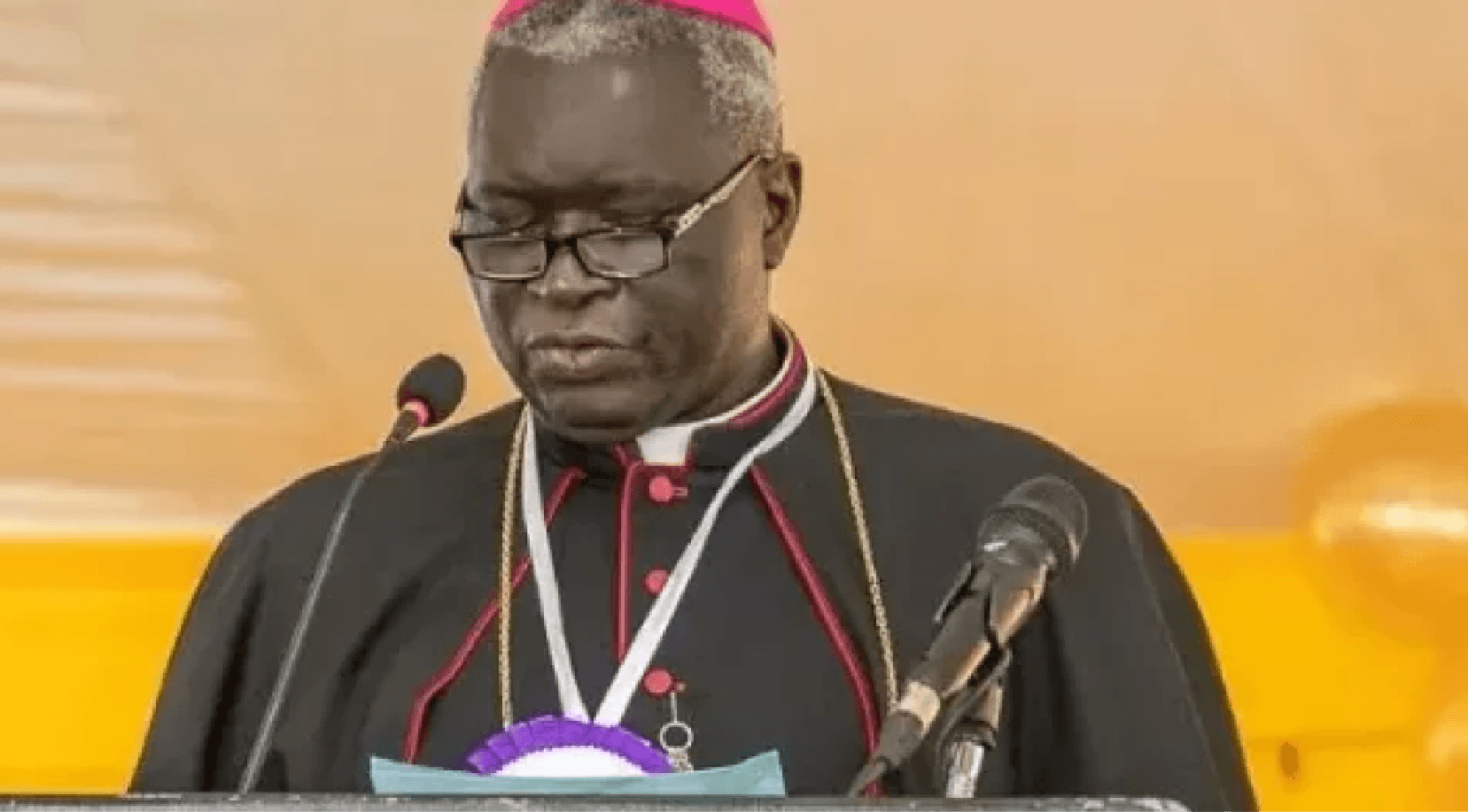
This isn’t the first time Ruto’s donations have come under scrutiny. In November 2024, the Catholic Church boldly rejected his KSh 5.6 million contribution. Archbishop Philip Anyolo declared that the church should remain independent of political entanglements, warning that accepting such money could compromise its moral authority.
Many Kenyans praised the Catholic Church’s stance, contrasting it with evangelical churches that appeared eager to receive financial support from politicians.
President Ruto remains unwavering in his defense. He insists his contributions are acts of faith, aimed at supporting religious institutions. “I have been building churches for over 30 years,” he said. “I know the blessings that come with giving.”
But the public remains divided. Some see him as a devoted Christian, while others view him as a cunning politician using religion to maintain power.
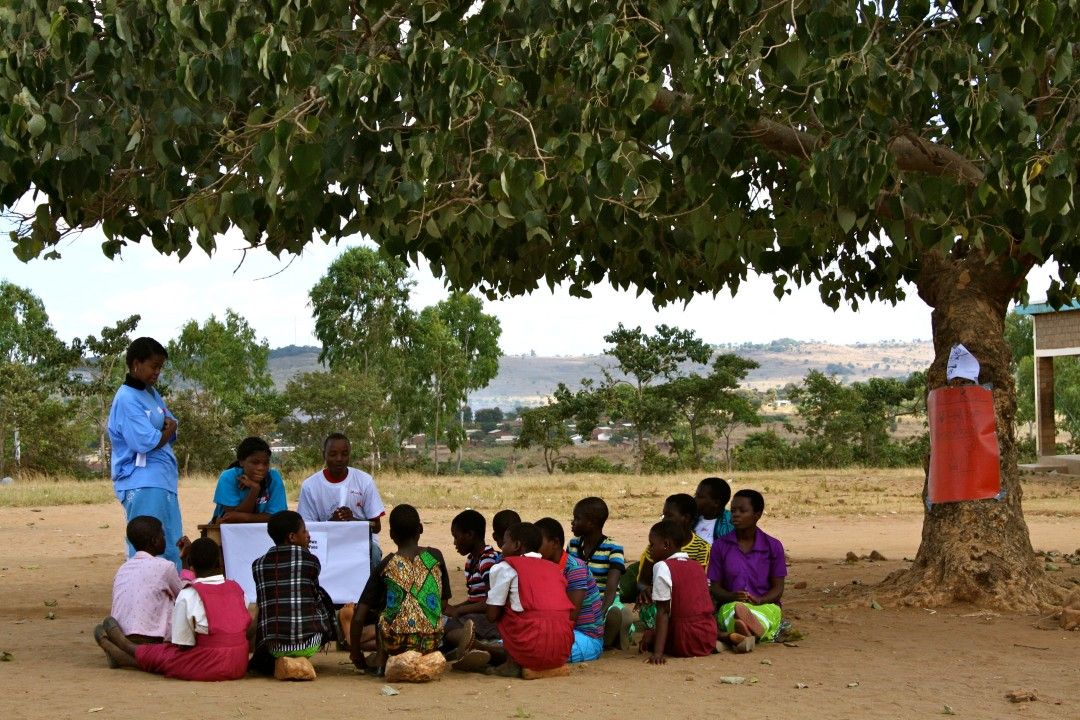
Beyond legal and ethical concerns, Kenyans expressed deep frustration over the government’s misplaced priorities. Comments online painted a picture of a struggling nation:
Ruto’s donations have once again highlighted the uneasy relationship between religion and politics in Kenya. While faith leaders embrace the president’s generosity, many citizens are questioning its motives and legitimacy.
As Kenya grapples with economic struggles and governance issues, one question lingers: Should churches be the beneficiaries of government generosity, or should the people come first?






0 comments