
Your Read is on the Way
Every Story Matters
Every Story Matters
The Hydropower Boom in Africa: A Green Energy Revolution Africa is tapping into its immense hydropower potential, ushering in an era of renewable energy. With monumental projects like Ethiopia’s Grand Ethiopian Renaissance Dam (GERD) and the Inga Dams in the Democratic Republic of Congo, the continent is gearing up to address its energy demands sustainably while driving economic growth.
Northern Kenya is a region rich in resources, cultural diversity, and strategic trade potential, yet it remains underutilized in the national development agenda.
Can AI Help cure HIV AIDS in 2025
Why Ruiru is Almost Dominating Thika in 2025

Mathare Exposed! Discover Mathare-Nairobi through an immersive ground and aerial Tour- HD

Bullet Bras Evolution || Where did Bullet Bras go to?
Vice President JD Vance’s recent move to formally invite Pope Leo XIV to the White House marks a bold, symbolic gesture in a political landscape starved of unifying moments. As the first American-born pontiff, Pope Leo holds a unique position—one that blends spiritual authority with undeniable political weight. The invitation, delivered in person at the Vatican by Vance himself, is not merely ceremonial. It is a calculated diplomatic step that fuses faith and foreign policy at a time when global tensions demand cooperation more than confrontation.
The image of a White House meeting between a populist administration and the head of the Catholic Church is rich with implications. On the surface, it appears to be about religious dialogue and statesmanship. But underneath it is a deeper effort to reframe America’s moral authority on the global stage. With wars raging abroad and ideological fractures widening at home, the optics of Trump’s administration engaging constructively with the pope may serve as a stabilizing force—or at least the appearance of one.
What makes this invitation particularly poignant is Pope Leo’s unique backstory. Born in the American Midwest, he has long been viewed as a bridge between secular and sacred power, East and West, liberal and conservative thought. His American roots grant him rare credibility with U.S. citizens, while his position as pontiff gives him global reach. For Vance and the White House, this is political gold: a figure with the moral gravity of a religious leader and the relatable background of an ordinary American.
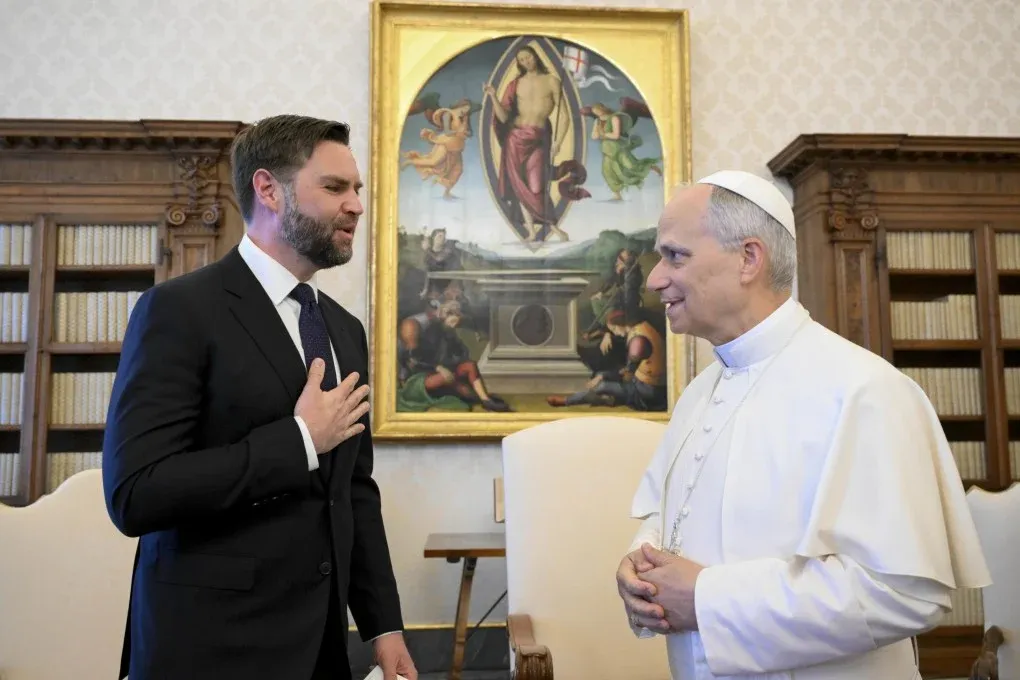
It’s also about timing. Pope Leo’s tenure has been marked by vocal interventions in geopolitical affairs, most notably his repeated offers to mediate in the Ukraine-Russia conflict. With Trump currently spearheading fragile peace overtures that have yet to bear fruit, Pope Leo’s involvement could lend much-needed legitimacy to these diplomatic efforts. An audience at the White House would not just be a photo opportunity—it could represent the next phase in a global peace push that has thus far lacked spiritual backing.
But this invitation isn’t without its contradictions. Pope Leo has not been shy in expressing views that stand in tension with current U.S. policies, particularly on immigration, wealth inequality, and environmental stewardship. These positions often contrast sharply with the Trump administration’s more nationalist, market-driven approach. JD Vance’s own rise was powered by a similar brand of populism, making the outreach to Pope Leo all the more intriguing.
What’s emerging here is an attempt to engage with ideological opposition without conceding political ground. By extending a hand to the Vatican, Vance and the Trump administration appear open to dialogue while subtly asserting that faith and governance need not be in conflict. The move may also appeal to the large base of American Catholic voters, many of whom remain politically divided yet spiritually aligned with the pope’s teachings.
Beyond domestic politics, the invitation signals a strategic recalibration in America’s diplomatic posture. The world is watching as U.S. leadership attempts to reinsert itself into conflict resolution efforts—especially in Europe, where skepticism toward American intentions runs high. Pope Leo’s endorsement, even indirectly, could help soften international resistance and reframe American diplomacy through a more moral lens.
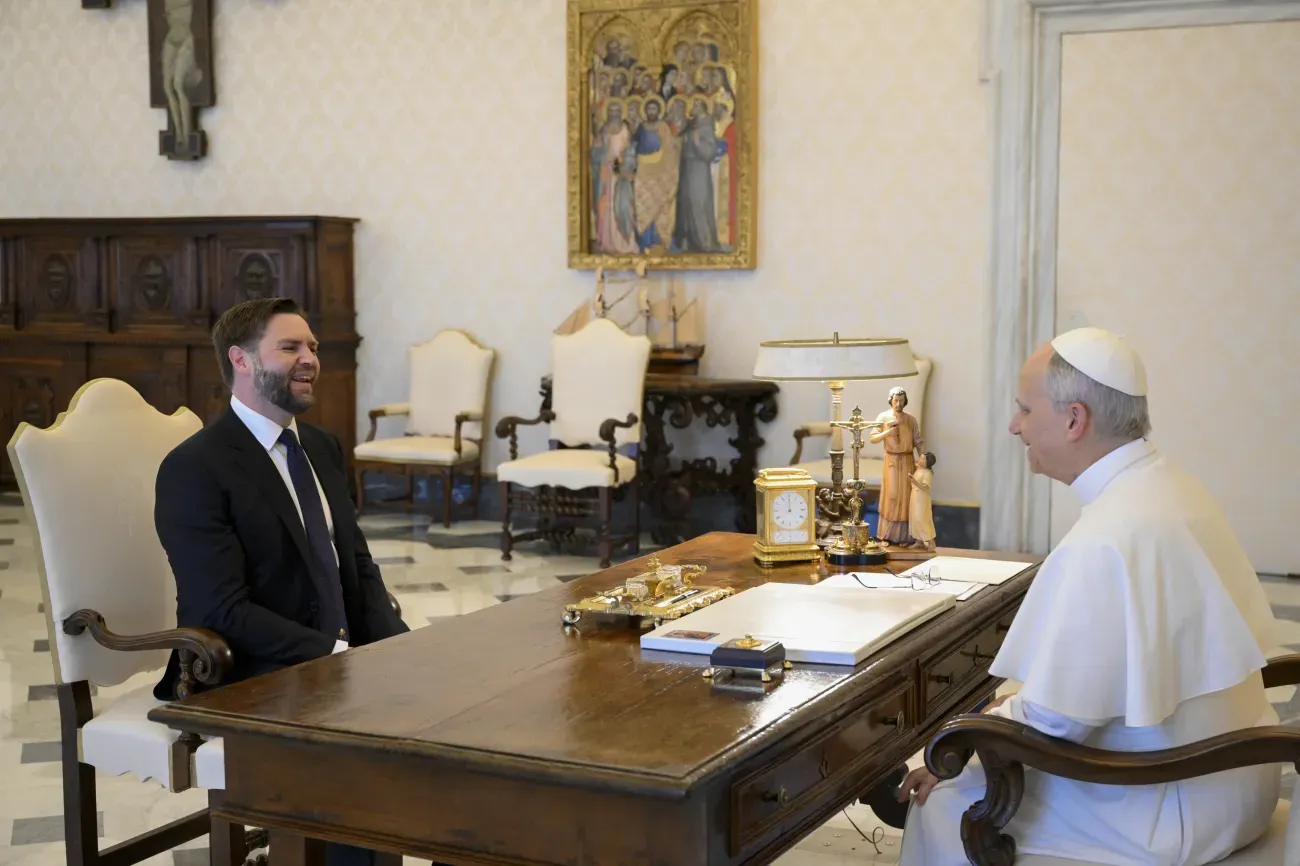
Additionally, bringing the pope to the White House serves to reposition the U.S. as a country willing to listen to conscience as well as calculation. This is especially critical now, when Western leadership is often criticized for acting in self-interest rather than pursuing a genuine global good. By engaging with the Vatican, the administration not only diversifies its diplomatic toolkit but also taps into a transnational source of legitimacy that few other leaders can offer.
It remains to be seen whether this visit will materialize, and if it does, whether it will yield any tangible results. But regardless of its immediate outcomes, the invitation alone is a statement of intent—a gesture toward unity, reconciliation, and the search for common moral ground in an increasingly fractured world.
Whether the meeting results in joint action on Ukraine, collaborative statements on migration, or simply symbolic unity, it marks a rare moment where faith and power intersect not as adversaries, but as potential allies. In a time of mounting cynicism, that alone may be enough to change the narrative—if only for a moment.






0 comments