
Your Read is on the Way
Every Story Matters
Every Story Matters
The Hydropower Boom in Africa: A Green Energy Revolution Africa is tapping into its immense hydropower potential, ushering in an era of renewable energy. With monumental projects like Ethiopia’s Grand Ethiopian Renaissance Dam (GERD) and the Inga Dams in the Democratic Republic of Congo, the continent is gearing up to address its energy demands sustainably while driving economic growth.
Northern Kenya is a region rich in resources, cultural diversity, and strategic trade potential, yet it remains underutilized in the national development agenda.

Can AI Help cure HIV AIDS in 2025

Why Ruiru is Almost Dominating Thika in 2025

Mathare Exposed! Discover Mathare-Nairobi through an immersive ground and aerial Tour- HD

Bullet Bras Evolution || Where did Bullet Bras go to?
A controversial agreement between Ukraine and the US could redefine global power dynamics, as the two nations move toward a deal granting American access to Ukraine’s rare earth minerals. With Russia watching closely, the agreement’s impact on the ongoing conflict remains uncertain.
In a dramatic twist, Ukraine has agreed to a preliminary deal with the United States that opens up access to its vast and largely untapped mineral resources. This historic agreement, which has been years in the making, could have profound implications not just for Ukraine’s war-torn economy but for global geopolitical relations, especially with Russia. As both countries prepare to finalize the deal, several questions remain about its true significance, particularly what resources the US stands to gain and how it might impact the ongoing conflict with Russia.
At the heart of the deal lies a complex investment fund designed to manage Ukraine’s critical mineral resources. Ukraine and the US will share equal control of the fund, which will direct investments into projects across Ukraine, particularly in the mining sector. The fund is poised to manage resources such as titanium, graphite, lithium, and rare earth metals, materials that are integral to the production of modern technologies such as electric vehicles, smartphones, and military equipment.
While the exact terms of the agreement are still being hashed out, the details suggest that the US will receive a substantial portion of the returns from Ukraine’s mineral wealth. The agreement stipulates that Ukraine will contribute 50% of future proceeds from state-owned mineral resources, oil, and gas to the fund. The US, for its part, is expected to own a significant stake in the fund, though not necessarily the majority. These terms are raising concerns about the long-term sovereignty of Ukraine’s natural resources, especially as the country remains in a state of war with Russia.
Among the many resources Ukraine possesses, its rare earth minerals are considered the most valuable, not just for their economic worth but for their strategic importance in global markets. These minerals, which include materials like neodymium, dysprosium, and praseodymium, are crucial for the production of magnets used in electric vehicles, wind turbines, and other high-tech applications.
Ukraine is believed to hold significant deposits of these minerals, placing it in direct competition with countries like China, which currently dominates the rare earth market. With a growing global demand for clean energy solutions and electric vehicles, these rare earth minerals are set to become increasingly valuable. However, the fact that much of Ukraine’s mineral wealth is located in the contested and Russian-occupied regions adds a layer of complexity to the situation. Resources worth an estimated $350 billion remain under Russian control, raising questions about how much of Ukraine’s mineral wealth is realistically accessible under the terms of the deal.
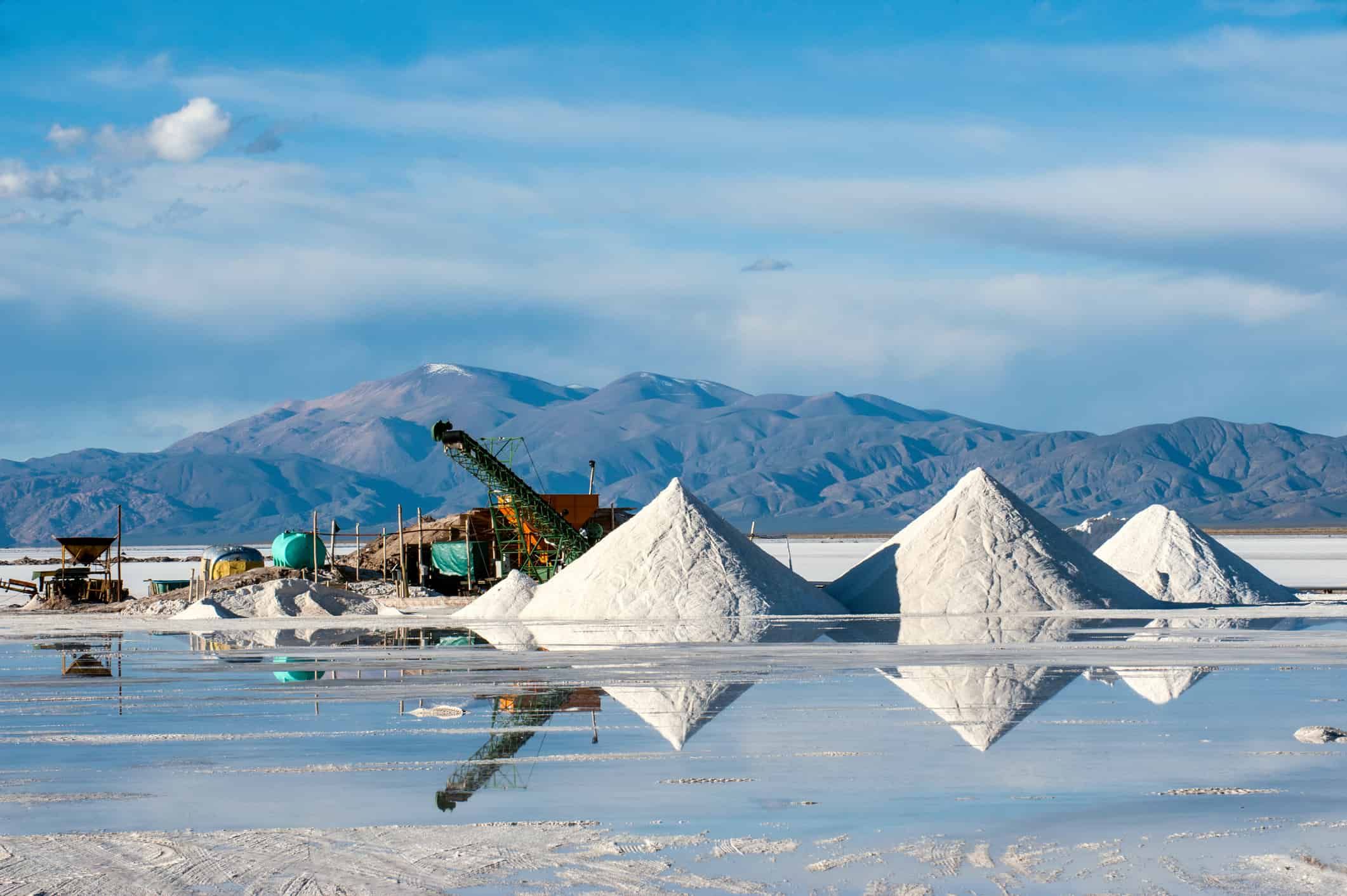
In addition to rare earth minerals, lithium has become a major focus of the deal. Lithium is another crucial component of the global transition to clean energy, as it is a key ingredient in the batteries used in electric vehicles and renewable energy storage. Ukraine’s lithium deposits are among the largest in Europe, and the US stands to gain significant access to this resource under the new agreement.
While Ukraine’s lithium reserves are still under exploration, early estimates suggest that the country could become one of the leading suppliers of this critical resource. The US, which has been actively seeking to secure a more stable and diverse supply of lithium for its growing electric vehicle market, will benefit immensely from this access. This move could reduce the US’s reliance on China, which currently dominates the global lithium supply chain, and help secure its position as a key player in the green energy sector.
Rare earth minerals, a group of 17 elements, play a vital role in numerous industries, from defense to consumer electronics. These minerals are used in the production of powerful magnets, which are essential in a wide range of devices, including electric vehicle motors, wind turbines, hard drives, cell phones, and even advanced military technology.
For the US, gaining access to Ukraine’s rare earths could significantly strengthen its strategic position. The US military, in particular, relies on rare earth minerals for everything from missile guidance systems to radar and sonar equipment. The demand for rare earths is only expected to grow in the coming decades as technology becomes more advanced and the push for clean energy intensifies. As the US and its allies look for ways to reduce their dependence on China for these critical materials, Ukraine’s mineral wealth has become an increasingly attractive asset.
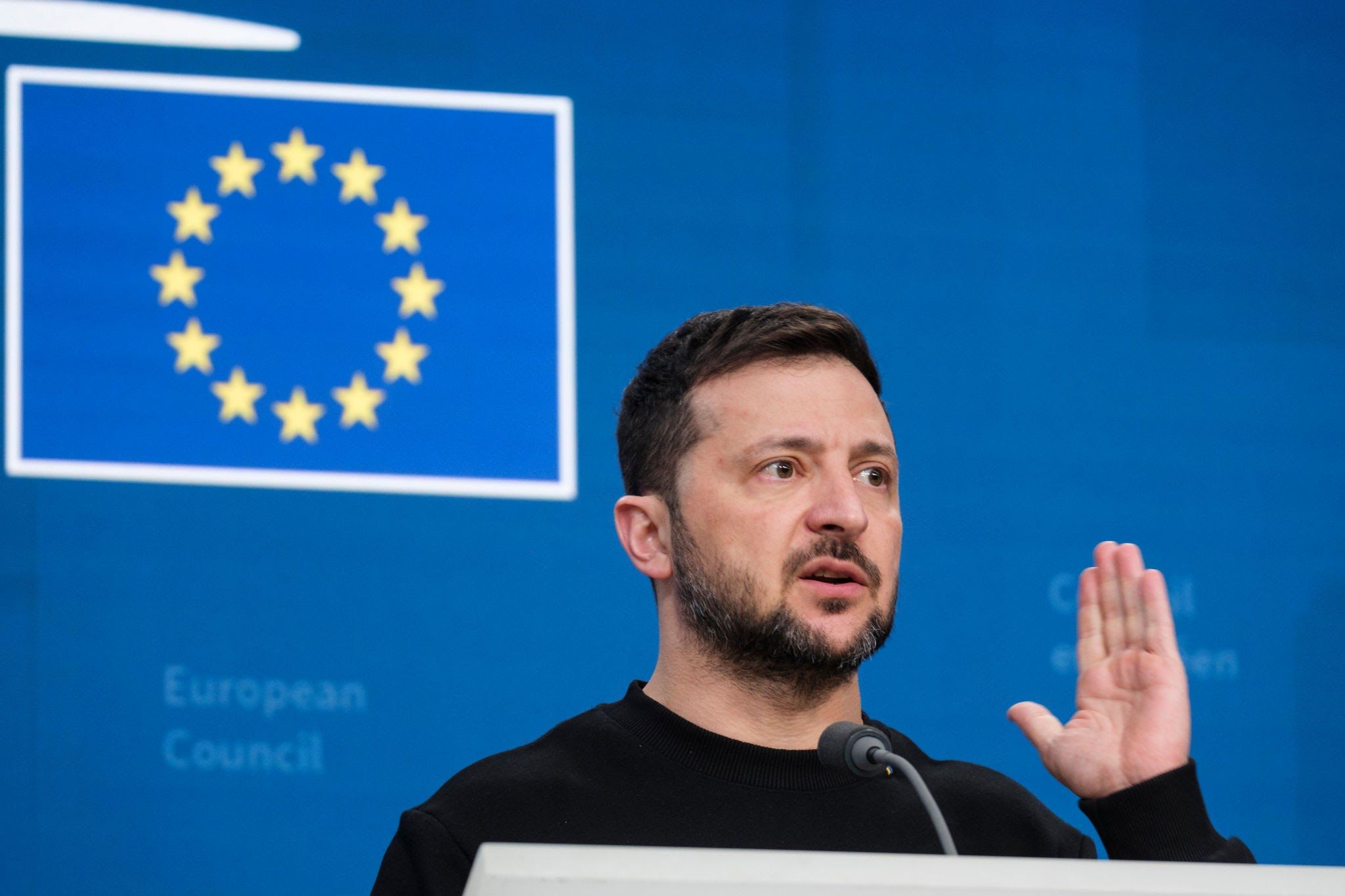
Ukrainian President Volodymyr Zelensky has been vocal about his desire for security guarantees from the US, particularly in the wake of the ongoing war with Russia. While the agreement on mineral resources marks a step forward, it does not appear that Zelensky’s request for a formal security guarantee has been fully addressed. Former President Donald Trump has voiced skepticism about the US providing such guarantees, stating that responsibility for Ukraine’s security should primarily fall to Europe.
Despite this, Zelensky remains optimistic, viewing the deal as a potential stepping stone toward not only a more prosperous future for Ukraine but also a more secure one. By partnering with the US in the development and management of its mineral resources, Ukraine may be able to strengthen its economic and geopolitical position in the long term, regardless of the ongoing conflict with Russia.
As the US and Ukraine inch closer to finalizing the agreement, Russia’s response has been one of both disdain and cautious observation. President Vladimir Putin has dismissed the significance of the deal, claiming that Russia holds “significantly more” rare earth and mineral resources than Ukraine. Kremlin spokesman Dmitry Peskov has been quick to downplay the deal, emphasizing that no official statements have been made about its finalization or potential impact on global markets.
However, Russia’s position may be more defensive than it appears. As Ukraine gains access to critical resources, particularly lithium and rare earth minerals, it could become a formidable player in global supply chains, threatening Russia’s own mineral dominance. This geopolitical rivalry will likely continue to fuel tensions between the two nations, especially as the global demand for these materials continues to rise.
The US-Ukraine mineral deal is far from simple. While it could provide Ukraine with the financial and technological support it needs to rebuild and modernize its economy, it also raises questions about Ukraine’s long-term sovereignty over its resources. Additionally, the deal’s impact on the ongoing conflict with Russia remains uncertain. Will it pave the way for a peaceful resolution, or will it simply intensify the geopolitical rivalry between Russia and the West?
One thing is clear: the deal has the potential to reshape the global mineral landscape, particularly in the context of rare earths and lithium. As countries like the US and China jockey for control over these critical materials, Ukraine’s role in the global supply chain is poised to grow significantly. Whether this translates into lasting peace for Ukraine or a new chapter in its geopolitical struggle remains to be seen.






0 comments