
Your Read is on the Way
Every Story Matters
Every Story Matters
The Hydropower Boom in Africa: A Green Energy Revolution Africa is tapping into its immense hydropower potential, ushering in an era of renewable energy. With monumental projects like Ethiopia’s Grand Ethiopian Renaissance Dam (GERD) and the Inga Dams in the Democratic Republic of Congo, the continent is gearing up to address its energy demands sustainably while driving economic growth.
Northern Kenya is a region rich in resources, cultural diversity, and strategic trade potential, yet it remains underutilized in the national development agenda.

Can AI Help cure HIV AIDS in 2025

Why Ruiru is Almost Dominating Thika in 2025

Mathare Exposed! Discover Mathare-Nairobi through an immersive ground and aerial Tour- HD

Bullet Bras Evolution || Where did Bullet Bras go to?
In a stunning twist that sent shockwaves through Nyandarua County, former Deputy President Rigathi Gachagua, freshly bruised from an impeachment that still leaves a bitter taste, took the pulpit not to preach—but to pull the curtain back on an alleged rot festering at Kenya’s highest political levels.
Speaking passionately to a restless congregation at a Sunday service in Ol Jorook, Gachagua accused President William Ruto’s administration of deliberately undermining the war against drug and alcohol abuse. But this time, he didn’t just cry foul—he implicated the system itself, claiming that powerful drug interests have now fully embedded themselves in the state machinery.
Without mincing words, Gachagua painted a chilling picture: the very individuals tasked with leading the nation’s anti-drug efforts, he claimed, are themselves knee-deep in the narcotics business.
"When the fox guards the henhouse," Gachagua said gravely, "there is no hope for the hens."
According to him, two sitting Cabinet Secretaries are nothing short of "drug barons"—though he strategically stopped short of dropping names, fueling rampant speculation across political circles.
He lamented that upon his exit from government, these elements had swiftly moved in, installing a protective net over their criminal enterprises. "Kenya," he said darkly, "may be the only nation where those selling poison to our children sit at the highest table of governance."
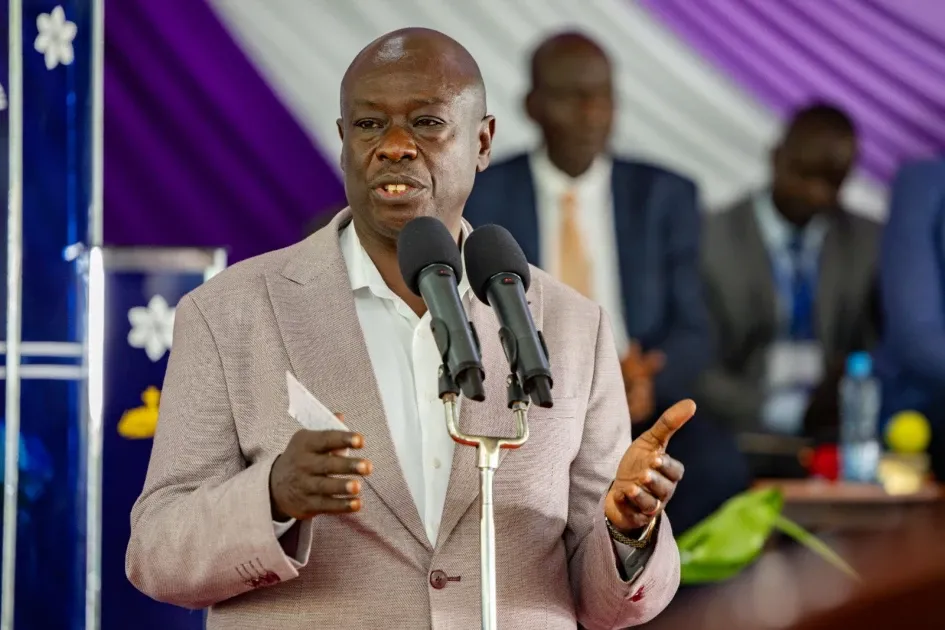
Gachagua, once lauded for his fierce crusade against illicit brews in Central Kenya, admitted he had always battled an invisible enemy: the government's own disinterest.
"They never cared," he confessed to a visibly shaken congregation. "All my efforts were sandcastles before a rising tide. The state was never committed; it was only interested in appearances."
In his view, the resurgence of toxic brews and drugs flooding back into communities wasn’t a coincidence—it was orchestrated. A deliberate decay, nurtured by greed and power.
With Parliament "captured" and civic voices "silenced or bought," Gachagua turned to the pulpit, declaring the church the last institution standing between Kenya and collapse.
"Speak louder," he urged the clergy. "Speak without fear. If you fall silent now, we lose everything. You are the last hope."
He framed the battle ahead not merely as political, but existential—a fight for the soul of the nation, one sermon, one prayer, one public rebuke at a time.
Insiders suggest Gachagua isn’t just making noise; he’s plotting a political resurrection. Talks of forming a 'Church-Led Citizens' Movement' are already surfacing, aimed at challenging the status quo ahead of the 2027 elections.
The former DP’s gambit could either re-energize Kenya’s weary citizenry—or pit him in a dangerous game against an entrenched elite that doesn’t easily forgive.
One thing is certain: Rigathi Gachagua is not fading quietly into political oblivion. If anything, he’s only just getting started.






0 comments