
Your Read is on the Way
Every Story Matters
Every Story Matters
The Hydropower Boom in Africa: A Green Energy Revolution Africa is tapping into its immense hydropower potential, ushering in an era of renewable energy. With monumental projects like Ethiopia’s Grand Ethiopian Renaissance Dam (GERD) and the Inga Dams in the Democratic Republic of Congo, the continent is gearing up to address its energy demands sustainably while driving economic growth.
Northern Kenya is a region rich in resources, cultural diversity, and strategic trade potential, yet it remains underutilized in the national development agenda.

Can AI Help cure HIV AIDS in 2025
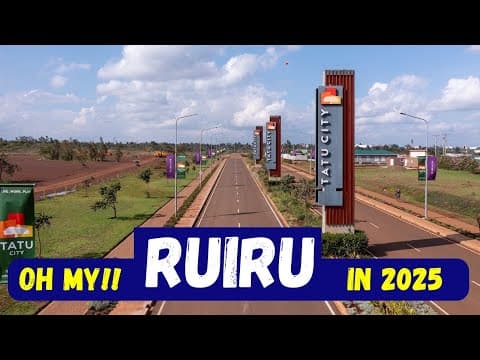
Why Ruiru is Almost Dominating Thika in 2025
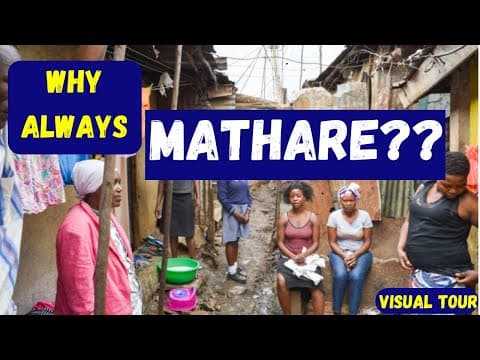
Mathare Exposed! Discover Mathare-Nairobi through an immersive ground and aerial Tour- HD

Bullet Bras Evolution || Where did Bullet Bras go to?
In December 2024, South Korea was rocked by a political earthquake no one saw coming—martial law, declared not during war or foreign invasion, but under the guise of internal stability. Then-President Yoon Suk Yeol invoked sweeping emergency powers, citing shadowy domestic threats and “subversive activity” as justification for dissolving normal democratic function.
Overnight, military vehicles patrolled the streets, civil rights were frozen, and the nation’s democratic institutions were all but paralyzed. For a country that had long branded itself as a global model of post-dictatorship progress, this regression was jarring, and public confidence eroded with astonishing speed.
Yoon’s crackdown didn’t merely stoke fear—it awakened fury. The media was gagged, protestors were detained, and political opposition was pushed into a corner. But corners are where resistance learns to fight back.
Enter Lee Jae-myung, the leader of the Democratic Party and a political figure whose gritty background and populist messaging had already built a devoted base. Known for his sharp rhetoric and unapologetic stance on inequality, Lee suddenly found himself at the heart of a national crisis.
Rather than retreat, he chose escalation. As Yoon's government locked the doors of the National Assembly, Lee and dozens of lawmakers physically scaled the fences to break into their own legislative chambers. It wasn’t just a stunt—it was a signal that the fight for constitutional order was on.
Inside that defiant gathering, lawmakers convened an emergency vote to repeal martial law. While the executive branch refused to acknowledge it, the act was a symbolic and legal anchor for the movement that would follow. Lee became more than just an opposition leader; he became a national symbol of democratic resistance. And with each passing day, as the public grew more restless under curfew and military control, his platform gained credibility.
The counteroffensive didn’t stop with symbolic resistance. Within weeks, a formal impeachment motion was introduced against President Yoon. The opposition’s case was clear: he had violated the constitution, trampled civil liberties, and acted with blatant disregard for separation of powers. Despite pushback from conservative allies, the impeachment passed with overwhelming support in the National Assembly on December 14, 2024.
It took four more tense months, filled with legal debates and political maneuvering, before the Constitutional Court delivered its verdict. On April 4, 2025, President Yoon Suk Yeol was officially removed from office. The ruling didn’t just close a chapter—it opened the door for one of the most consequential snap elections in South Korea’s democratic history.
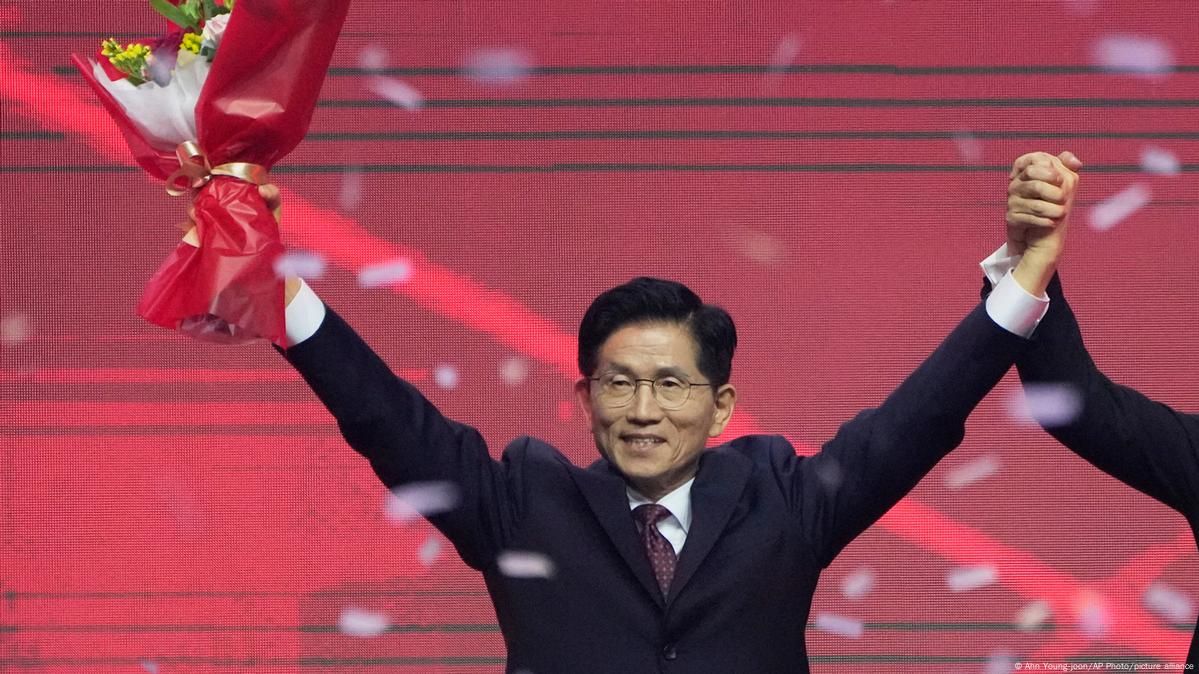
The announcement of the June 3, 2025, election ignited a frenzy. Lee Jae-myung was quick to declare his candidacy, framing his campaign not merely around policy—but around national restoration. His message was clear: stability, justice, and a return to democratic norms. Backed by months of visible resistance and a swelling tide of public frustration, Lee emerged as the de facto favorite.
His main rival, Kim Moon-soo, represented the conservative establishment, attempting to walk a tightrope—supporting democratic values while distancing himself from the disgraced former president. But Kim’s campaign lacked fire.
Where Lee offered conviction, Kim offered caution. Where Lee told a story of political survival and civic heroism, Kim offered economic plans and bureaucratic experience. For a nation still emotionally raw, that wasn’t enough.
On election day, South Koreans showed up in record numbers. The electorate sent a loud and clear message: they had not forgotten the lockdowns, the raids, the silencing of dissent. Lee Jae-myung won the presidency with just under 49% of the vote in a crowded field.
Cheers erupted in city centers as his supporters poured into the streets, waving flags and chanting slogans of renewal. After months of turmoil, the people had made their decision—not just about who should lead, but what kind of country they wanted to be.
The victory was historic—but also delicate. Lee’s mandate was born from outrage, not unity. While he had the support of progressives, young voters, and civil society groups, the country remained fractured. Millions had either abstained or voted against him, wary of his past legal troubles and intense political style. The victory, while decisive, was not absolute. Healing was the next necessary step.
Now in office, Lee Jae-myung faces a country still nursing bruises from the authoritarian detour. The economy is shaky—plagued by stagnant wages, unaffordable housing, and declining exports. Trust in government is at an all-time low. International partners, particularly the United States and Japan, will be watching his next moves carefully. Will he continue his activist approach, or shift into a more statesmanlike role?
The military, still reeling from its public role under Yoon’s orders, will need reform. Civil institutions will demand reinforcement. And the public—empowered but wary—will be watching. Lee’s presidency begins under immense pressure, but also immense promise.
In defeating martial law at the ballot box, he has rekindled South Korea’s democratic spirit. But whether he can nurture it into long-term peace and prosperity is a challenge he’ll need more than slogans to overcome.






0 comments