
Your Read is on the Way
Every Story Matters
Every Story Matters
The Hydropower Boom in Africa: A Green Energy Revolution Africa is tapping into its immense hydropower potential, ushering in an era of renewable energy. With monumental projects like Ethiopia’s Grand Ethiopian Renaissance Dam (GERD) and the Inga Dams in the Democratic Republic of Congo, the continent is gearing up to address its energy demands sustainably while driving economic growth.
Northern Kenya is a region rich in resources, cultural diversity, and strategic trade potential, yet it remains underutilized in the national development agenda.

Can AI Help cure HIV AIDS in 2025

Why Ruiru is Almost Dominating Thika in 2025

Mathare Exposed! Discover Mathare-Nairobi through an immersive ground and aerial Tour- HD

Bullet Bras Evolution || Where did Bullet Bras go to?
In what initially felt like political banter, Embakasi East MP Babu Owino set off a storm of speculation by subtly hinting at a 2027 presidential bid—with none other than Kiharu MP Ndindi Nyoro as his running mate. Though the statement came in passing, the implications are seismic. Two of Kenya’s most dynamic and ideologically opposite young leaders, speaking the same political language? That’s not just gossip—it’s a possible reshaping of the country’s political order. This wasn’t a rally cry or formal announcement, but it had the precision of a calculated trial balloon, released deliberately to stir interest and test the waters.
While Kenya is no stranger to surprise political pairings, this one caught everyone off guard because of the stark contrast between the two figures. Babu is the street-smart, provocative populist known for his sharp tongue, deep youth following, and hardline loyalty to the ODM opposition camp. Ndindi, on the other hand, is a measured, policy-driven economist aligned closely with the current administration and the ruling UDA party. To even imagine them on the same ticket, let alone leading a joint campaign, is to imagine a complete break from the traditions of Kenyan electoral behavior.
Kenya's political system has for decades been shaped by ethnic alliances, regional power dynamics, and the legacy of struggle-era leaders. Presidential contests have often been less about ideas and more about which ethnic kingpin you stand behind. But there’s been a growing disillusionment, particularly among the youth, with this style of politics. They’re seeking fresh voices—leaders who understand the pressures of modern Kenya: joblessness, the digital economy, mental health, education debt, and climate threats.
Babu and Ndindi represent very different ends of the political personality spectrum, but they both resonate deeply with Kenya’s younger population. Their political roots in student activism and grassroots economic thought give them access to constituencies that feel overlooked. More than that, both have built substantial digital influence, engaging directly with a generation that is skeptical of traditional political machines. A Babu-Ndindi ticket isn’t just a curiosity—it’s potentially a reset button. It speaks to a Kenya that wants to look forward, not backward.
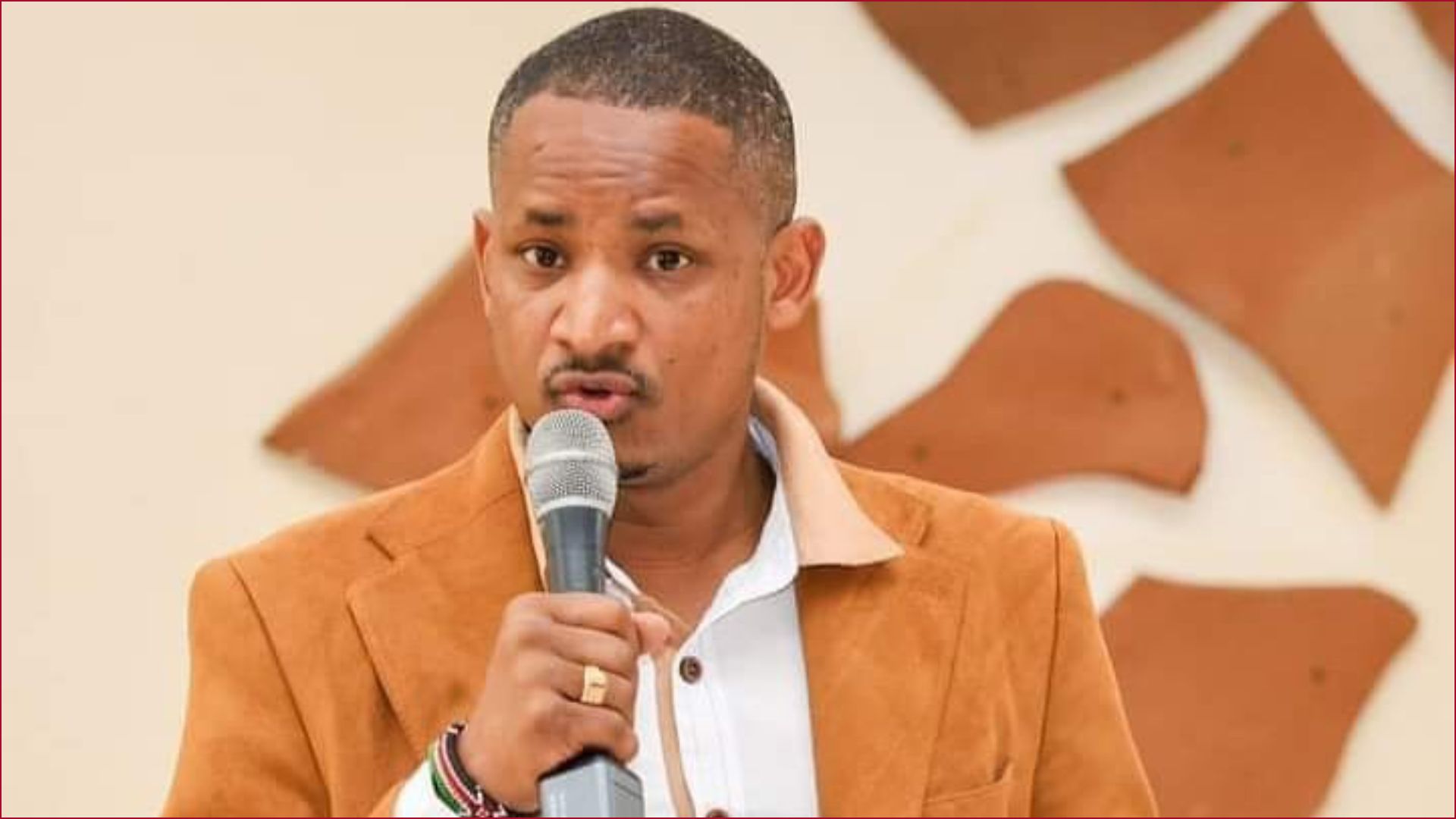
If this hint grows into an actual campaign, it could be Kenya’s first major cross-party, cross-personality, youth-focused political platform. It would likely face resistance from entrenched elites and loyalist voters, but it might also energize the uncommitted, the first-time voters, and the politically disengaged. Kenya has a history of dramatic political reinventions—and this one might just be the next big chapter.
What makes this move more than a stunt is the evolving character of Babu Owino. For years, he’s been pigeonholed as a political provocateur—loud, unfiltered, and sometimes erratic. But beneath the controversy lies a highly strategic mind. In recent years, he’s begun shedding that raw edge and embracing a more polished, statesman-like tone. His appearances have become less combative and more calculated, and his commentary increasingly reflects a deeper understanding of national issues. His focus on education reform, economic equity, and digital inclusion has begun to shift public perception.
Ndindi Nyoro, on the other hand, has kept a low profile in terms of noise but remains highly respected for his grasp of finance and economic planning. His roots in entrepreneurship and his conservative, policy-focused leadership make him a darling of Kenya’s business class. He isn’t known for headline-grabbing statements, but rather for results-driven work behind the scenes. A partnership between these two wouldn’t just be symbolic—it could be genuinely functional. Babu would bring the numbers, the crowd, and the movement. Ndindi would bring the policy blueprint, the investment class, and the institutional credibility.
That kind of balance—if real—would be difficult for even the most established political giants to ignore.
As expected, the political class is watching this development with a mix of confusion and unease. Some dismiss it outright as a media gimmick. Others quietly admit that such a union, however unlikely, could fracture old alliances and introduce real competition into a race many assumed would again be dominated by familiar faces. The Railas, Rutos, and Kalonzos of the world may have to rethink their strategies if a youth-backed ticket starts building momentum outside traditional party lines.
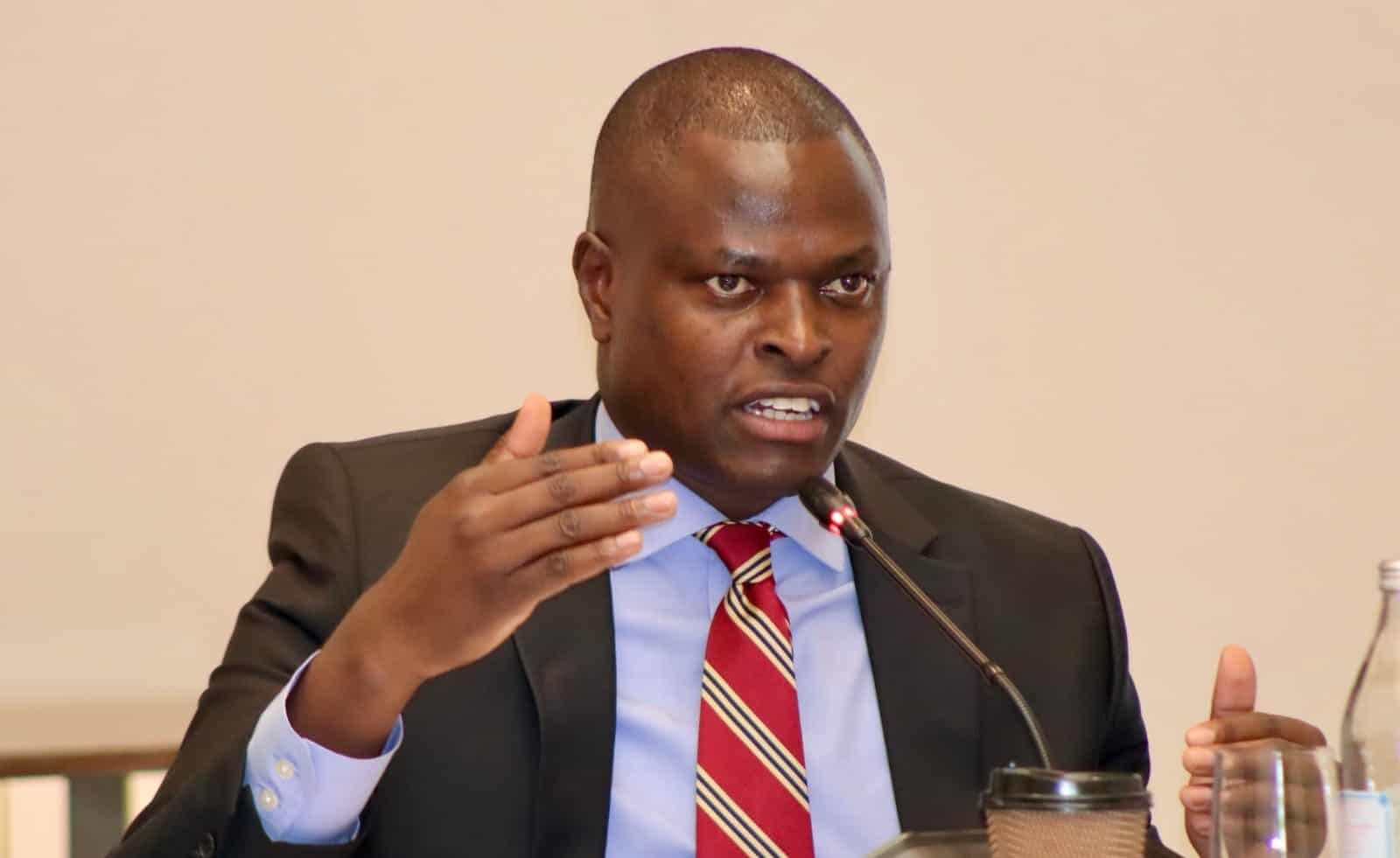
The youth, on the other hand, are listening. Social media lit up with debates, memes, and threads exploring the potential of a Babu-Ndindi run. While some are skeptical—citing ideological incompatibility—many others are intrigued by the idea of two energetic, intelligent, and determined individuals breaking the tribal formula and choosing to run on vision rather than ethnicity. It’s clear that even the idea of this ticket is sparking the kind of discussion Kenyan politics rarely inspires anymore.
This is the big question now. Will this talk stay as just talk, or will it grow legs and hit the campaign trail? There are massive hurdles to clear. Both men would need to break or at least bend their existing party allegiances. They’d have to build a new coalition from scratch or take over an existing minor party structure. They’d need serious fundraising, strategic coordination, and alignment on critical national issues. Most of all, they’d need to win over both the urban youth and the rural vote blocs—two very different constituencies with very different priorities.
Still, this is Kenyan politics. Unlikely alliances have become normal. Political enemies have run on the same ticket before, and sudden defections have redefined elections overnight. So, while Babu Owino and Ndindi Nyoro may not be an obvious fit, that doesn’t mean they’re not possible. In fact, their very oddness could be their strength. It sends a message that the old rules no longer apply—and that Kenya might just be ready for a leadership duo that looks and sounds completely different from what came before.






0 comments