
Your Read is on the Way
Every Story Matters
Every Story Matters
The Hydropower Boom in Africa: A Green Energy Revolution Africa is tapping into its immense hydropower potential, ushering in an era of renewable energy. With monumental projects like Ethiopia’s Grand Ethiopian Renaissance Dam (GERD) and the Inga Dams in the Democratic Republic of Congo, the continent is gearing up to address its energy demands sustainably while driving economic growth.
Northern Kenya is a region rich in resources, cultural diversity, and strategic trade potential, yet it remains underutilized in the national development agenda.

Can AI Help cure HIV AIDS in 2025

Why Ruiru is Almost Dominating Thika in 2025

Mathare Exposed! Discover Mathare-Nairobi through an immersive ground and aerial Tour- HD

Bullet Bras Evolution || Where did Bullet Bras go to?
In the evolving narrative of Kenyan politics, President William Ruto's forthcoming visit to the Mount Kenya region represents a crucial effort to reclaim and reinforce his influence in a region once considered a bedrock of his political support. This visit is not just another stop on his presidential itinerary; it is a strategic maneuver to repair frayed alliances, counter emerging opposition forces, and address pressing local concerns that could define the political landscape leading to the 2027 general elections.
Mount Kenya has long been regarded as a kingmaker region in Kenya's political chess game. Historically, it has held the power to tilt national elections, making it a priority for any political leader aspiring to national prominence. For Ruto, the region played a pivotal role in his 2022 victory, where he garnered significant votes through a well-calculated campaign strategy that appealed to both the economic aspirations and political identity of the region's populace. However, the tides appear to be shifting.
The recent impeachment of former Deputy President Rigathi Gachagua has unsettled the political terrain. Once viewed as Ruto's key point man in Mount Kenya, Gachagua's ouster has left a vacuum that is being rapidly filled by emerging leaders eager to realign regional loyalties. This internal shake-up has led to uncertainty among local leaders, with some expressing concerns about the direction the current administration is taking.
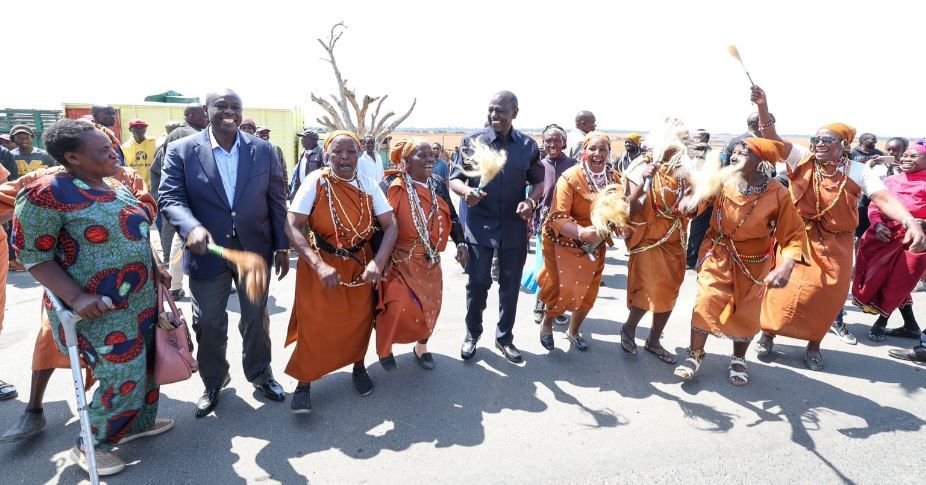
Moreover, there are growing whispers of dissatisfaction stemming from unfulfilled promises. Infrastructure projects, agricultural subsidies, and economic relief initiatives that were heavily championed during the campaign trail have faced delays or partial implementation. This has fueled skepticism among voters who feel that their loyalty has not been reciprocated with tangible outcomes. Ruto's ability to navigate these grievances while reaffirming his commitment to the region will be critical in determining his long-term political viability.
President Ruto's tour of Mount Kenya is not merely symbolic; it is a calculated effort to achieve multiple objectives. Central among these is the re-establishment of trust and direct engagement with the electorate. His itinerary includes high-profile visits to counties such as Nyeri, Murang'a, Meru, and Tharaka Nithi, where he is expected to launch development projects, meet with community leaders, and hold public forums to address citizens' concerns.
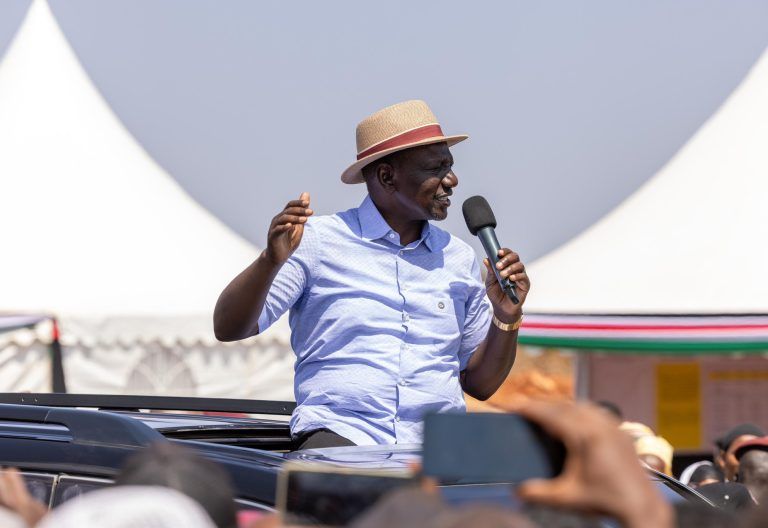
However, Ruto's path is not without obstacles. The aftermath of Gachagua's impeachment has left a void in regional representation, and several influential figures within the administration have adopted a cautious stance. Some leaders have openly questioned the concentration of power and the perceived sidelining of Mount Kenya interests.
There are also underlying tensions within his cabinet. Notably, Public Service Cabinet Secretary Justin Muturi's decision to abstain from joining Ruto on this tour reflects deeper fractures. Such dissent hints at broader dissatisfaction with how national resources and decision-making processes are being distributed. Ruto must delicately manage these internal power struggles while presenting a united front to the public.
Adding another layer of complexity to Ruto's challenge is the enduring influence of opposition leader Raila Odinga. Although he faced a setback in his bid for the African Union Commission chairmanship, Raila remains a formidable figure in domestic politics. His potential alliances with disaffected Mount Kenya leaders pose a tangible threat to Ruto's grip on the region.
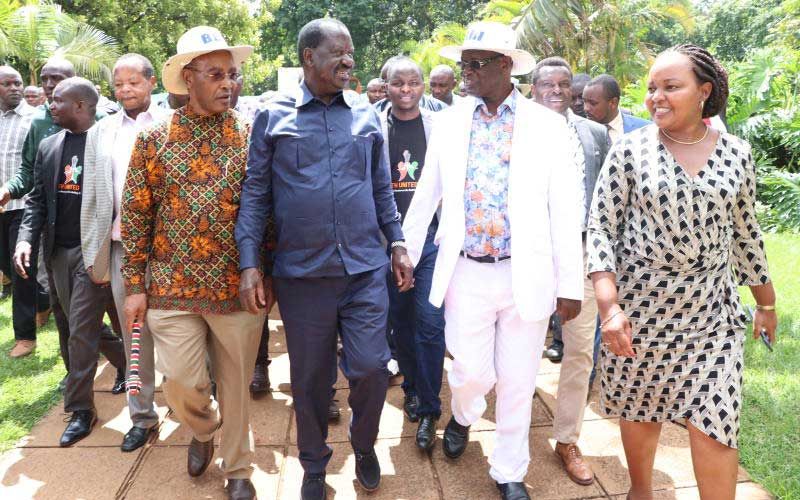
Raila's messaging continues to resonate with pockets of the electorate who feel marginalized under Ruto's leadership. His ability to exploit economic discontent and fractured loyalties means that Ruto's visit must go beyond surface-level engagements. Addressing substantive concerns while countering opposition narratives will require a careful blend of political acumen and genuine responsiveness.
At the heart of Mount Kenya's dissatisfaction are bread-and-butter issues. Agricultural challenges remain a key concern, with farmers grappling with fluctuating prices, high production costs, and inconsistent market access. Promises to reduce the cost of living have yet to materialize for many residents, fostering a sense of economic disillusionment.
The President faces the dual task of addressing these economic grievances while reassuring residents that his administration is still on track to deliver the ambitious agenda laid out during the campaign. Announcing new funding packages for small businesses, expanding agricultural subsidies, and unveiling job creation programs may help to assuage some of these concerns. However, the success of these measures will hinge on the government's ability to follow through with concrete action.
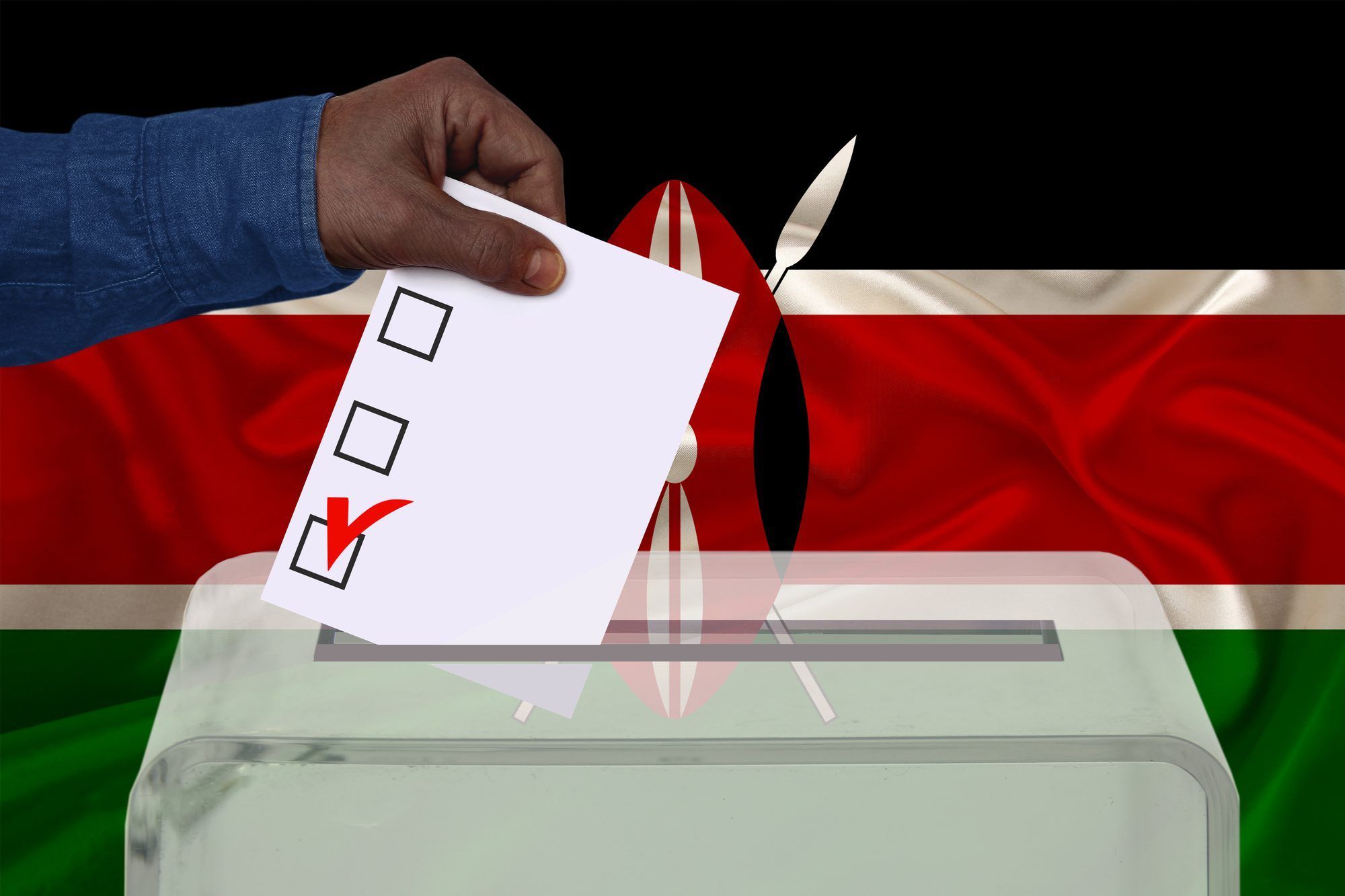
The stakes for Ruto's visit extend far beyond immediate political optics. With the 2027 general election on the horizon, maintaining a strong foothold in Mount Kenya is essential for his re-election prospects. A failure to regain trust and resolve internal divisions could embolden opposition forces and create an opening for rival political factions.
Conversely, a successful tour that effectively addresses regional concerns, rekindles political loyalty, and neutralizes opposition rhetoric could strengthen Ruto's position. By reaffirming his commitment to the region and delivering tangible outcomes, Ruto has the opportunity to reassert himself as the dominant political force in Mount Kenya.
President Ruto's return to the Mount Kenya region marks a pivotal moment in his presidency. This is not merely a ceremonial visit; it is a high-stakes endeavor to repair alliances, address economic grievances, and re-establish his political dominance. The region's shifting dynamics, combined with internal dissent and external opposition, present a formidable challenge. Yet, with calculated strategy and a genuine commitment to delivering on his promises, Ruto may still navigate these fault lines to secure his future at the helm of Kenyan politics.






0 comments