
Your Read is on the Way
Every Story Matters
Every Story Matters
The Hydropower Boom in Africa: A Green Energy Revolution Africa is tapping into its immense hydropower potential, ushering in an era of renewable energy. With monumental projects like Ethiopia’s Grand Ethiopian Renaissance Dam (GERD) and the Inga Dams in the Democratic Republic of Congo, the continent is gearing up to address its energy demands sustainably while driving economic growth.
Northern Kenya is a region rich in resources, cultural diversity, and strategic trade potential, yet it remains underutilized in the national development agenda.

Can AI Help cure HIV AIDS in 2025

Why Ruiru is Almost Dominating Thika in 2025

Mathare Exposed! Discover Mathare-Nairobi through an immersive ground and aerial Tour- HD

Bullet Bras Evolution || Where did Bullet Bras go to?
On a seemingly normal Friday afternoon, Mumias East Member of Parliament Peter Salasya was jolted out of routine politics and thrust into the eye of a legal and political storm. Traveling along the Isiolo-Nanyuki highway after addressing supporters, Salasya’s convoy was intercepted by a fleet of unmarked vehicles. What followed wasn’t a textbook arrest—it was a scene that looked more like a movie ambush.
Fifteen armed men, claiming to be from the Directorate of Criminal Investigations (DCI), allegedly cornered the MP's vehicle. Eyewitnesses report that the armed unit opened fire on his tires to immobilize the car, before proceeding to disarm his security detail in a swift, aggressive maneuver. With weapons drawn, they dragged Salasya out of the vehicle and whisked him away without explanation.
In the hours that followed, a wave of confusion and panic rippled through Salasya’s camp. A voice message from the MP emerged, painting a picture of fear and desperation. He claimed that his life was in danger and that he was being held at an unknown location. There was no official communication about his arrest—no statement from the authorities, no charge sheet, just silence.
His team described the incident not as an arrest, but as an abduction. The abruptness, the secrecy, and the excessive force all added fuel to speculation that something deeper was at play.
The fog lifted slightly when footage of the MP’s arrest began circulating. The grainy video showed Salasya being led out of a bushy thicket by heavily armed men in civilian clothes. He appeared shaken and limping—likely injured during the takedown. The video did little to assure the public. Instead, it confirmed the worst fears: this wasn’t a dignified arrest of a sitting legislator, it was a display of brute force.
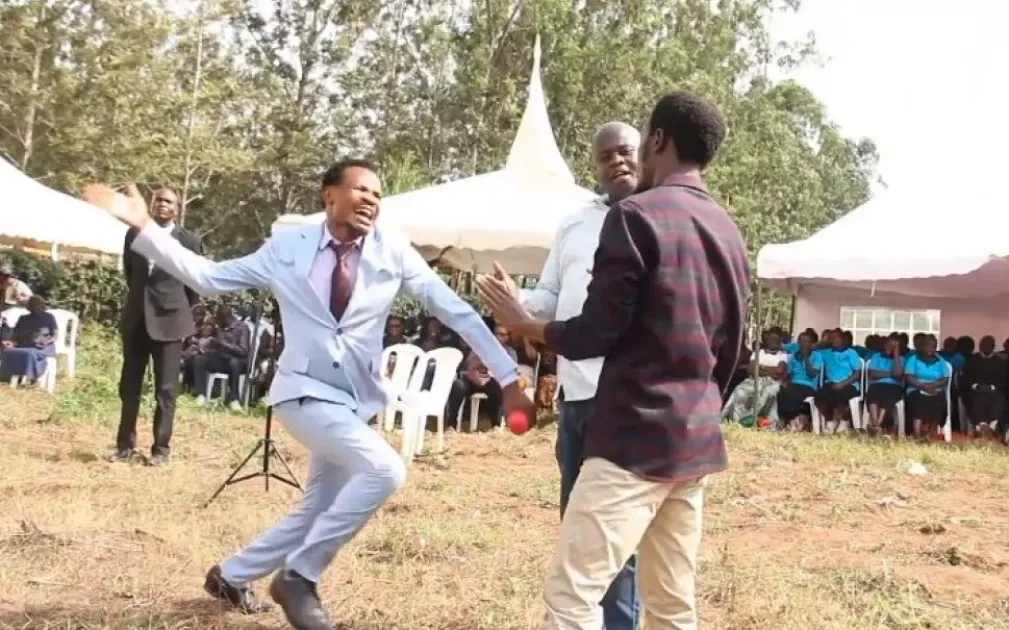
Human rights activists, opposition leaders, and even neutral observers raised the alarm, accusing the security agencies of violating due process. The optics were damning—no uniforms, no warrant shown, no formal acknowledgement from law enforcement.
By the time Salasya's legal team located him, the MP had been held for more than 10 hours without any official charges filed. His lawyer, Ian Mutiso, described the detention as unconstitutional and accused the officers of denying his client access to medical treatment. Salasya reportedly sustained injuries during the violent encounter and was left untreated despite repeated requests.
According to the legal team, Salasya was also deprived of food, legal counsel, and contact with his family for several hours—violations that raise serious questions about the motives behind the arrest and the conduct of the arresting officers.
While no official charges were announced during or immediately after his arrest, murmurs from investigative circles hinted at a forthcoming case against the MP. Sources suggested Salasya could face accusations related to false publication, incitement, or hate speech. Allegedly, the MP had made provocative statements in the days leading up to his arrest—statements that some claimed crossed the line of lawful expression.
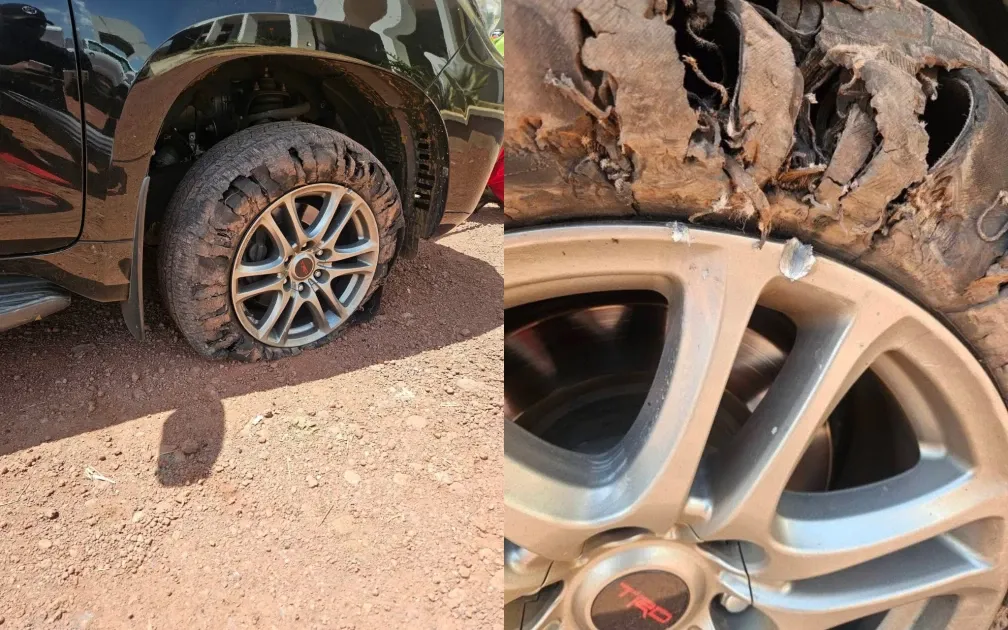
Yet, even if the accusations are substantiated, critics argue that the method of his arrest remains indefensible. Legal experts contend that if indeed the charges stem from speech-related offenses, then a formal summons—not a violent ambush—would have been the lawful path.
This is not Salasya’s first brush with controversy. Known for his confrontational style and headline-grabbing remarks, the young MP has often courted both praise and criticism. Previous incidents have involved verbal spats with county officials, defiance of protocol during official functions, and even allegations of threatening a judicial officer.
To his critics, this is the inevitable collapse of an unruly politician. But to his supporters, this is a witch hunt—a politically motivated takedown designed to silence a dissenting voice. The public remains split, and with no concrete charges yet filed, the mystery deepens.
As of now, Salasya has been released on bond, pending investigations. His legal team is pushing for a public inquiry into the manner of his arrest, while political allies are demanding accountability from the DCI and other state agencies involved. Parliamentarians across party lines have called for a review of arrest procedures involving elected officials.
Whether the MP will face formal charges, and what the evidence will reveal, remains to be seen. But one thing is certain—the May 16 ambush has not only exposed tensions within the political elite, it has also ignited a national conversation on the abuse of state power.






0 comments